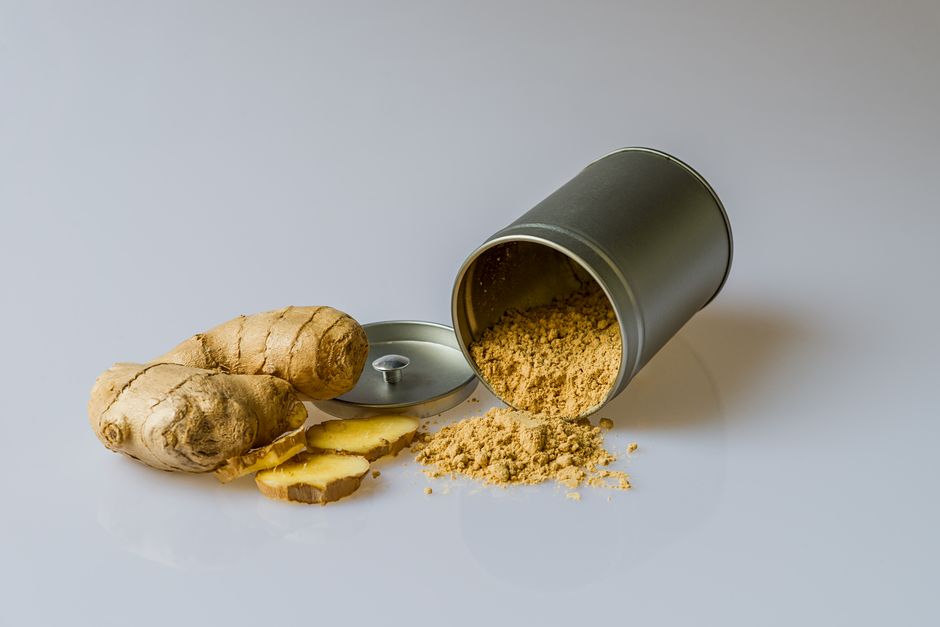
Ginger root has been used for centuries to settle stomachs, but its role in weight management is often misunderstood. Many women expect dramatic results from a single cup of ginger tea, which simply isn’t realistic. The truth is, ginger root works best as a small, consistent part of a broader, sustainable weight loss strategy.
To understand how to use ginger root for weight loss, you need to know its specific effects on your body. Ginger contains gingerol, a compound that may help reduce inflammation and support thermogenesis, which is the process your body uses to burn calories for heat. The most effective approach is to use fresh ginger in your cooking and drinks daily, rather than relying on supplements or rare uses.
This article will cut through the hype. We will look at what the evidence actually says about ginger and weight loss. You will get practical, kitchen-ready methods to add ginger to your routine without it feeling like a chore. The goal is simple: give you a tool that supports your efforts, not replaces them.
Key Points at a Glance
| Point | What It Means | Why It Matters |
|---|---|---|
| Calorie-free flavor | Ginger adds strong taste without sugar or extra calories | It makes healthy meals and drinks more satisfying, reducing cravings for sweets |
| Appetite regulation | Some studies suggest ginger can help you feel fuller for longer | This can naturally lower your total daily calorie intake without strict dieting |
| Digestive aid | Ginger helps move food through your digestive system more smoothly | Better digestion can reduce bloating and discomfort, making it easier to stick with your plan |
| Thermogenic effect | Ginger may slightly increase the number of calories your body burns at rest | While the effect is small, every bit helps when combined with other healthy habits |
| Anti-inflammatory support | Chronic inflammation is linked to weight gain and metabolic issues | Reducing inflammation can improve your body’s ability to process food and store fat |
What Does the Science Say About Ginger Root for Weight Loss?
The research on ginger and weight loss is promising but not conclusive. A 2019 review of several studies found that ginger supplementation led to small but significant reductions in body weight, waist-to-hip ratio, and fasting glucose levels. The average weight loss in these studies was around 1 to 2 pounds over 8 to 12 weeks. That is a modest result, not a dramatic transformation.
The strongest evidence points to ginger’s role in appetite control. One study showed that participants who consumed a hot ginger drink after a meal felt fuller for up to six hours longer than those who had a plain hot drink. This is likely because ginger influences hormones like ghrelin, which signals hunger to your brain.
Practical takeaway: Think of ginger as a support tool, not a primary driver of weight loss. It helps you eat less and feel better, but it cannot override a diet high in processed foods and low in vegetables.
I always keep a knob of fresh ginger in my freezer. It grates easily when frozen, and you never have to worry about it going bad. This simple habit makes it much easier to add a teaspoon to a stir-fry or a morning smoothie without any extra planning.
How to Use Ginger Root for Weight Loss in Your Daily Diet
The most effective way to use ginger for weight loss is to incorporate it into your regular meals and drinks. You want a consistent, small intake rather than a large dose once a week. Aim for about 1 to 2 grams of fresh ginger per day, which is roughly a one-inch piece.
Here are three practical methods that work well in a busy routine:
- Ginger tea: Steep 5-6 thin slices of fresh ginger in boiling water for 10 minutes. Drink it 20 minutes before a meal to help with appetite control. I add a squeeze of lemon and a tiny pinch of cayenne for extra flavor.
- Grated in cooking: Add finely grated ginger to stir-fries, soups, marinades, and salad dressings. It pairs well with garlic, soy sauce, and sesame oil. Start with half a teaspoon per serving and adjust to your taste.
- In smoothies: Add a one-inch piece of peeled ginger to your morning smoothie. It blends well with spinach, banana, and unsweetened almond milk. The ginger adds a fresh kick that cuts through the sweetness.
What About Ginger Supplements for Weight Loss?
Ginger supplements, like capsules and powders, are convenient but have some downsides. The quality and potency of supplements vary widely between brands, and they often lack the full range of beneficial compounds found in fresh ginger. Many supplements also contain fillers or additives that you do not need.
If you choose to use a supplement, look for one that lists gingerol content on the label. A typical dose is 500 to 1,000 mg per day, taken with food to avoid stomach upset. However, fresh ginger is generally safer and more effective for daily use because your body absorbs its compounds better from whole food sources.
Cook’s note: I have tried both fresh and powdered ginger in my cooking. Fresh ginger has a brighter, more complex flavor that makes a real difference in dishes like stir-fries and soups. The powder works fine in baking, but it lacks the same punch.
Common Mistakes When Using Ginger for Weight Loss
The biggest mistake people make is expecting ginger to work like a weight loss pill. They drink ginger tea once and feel disappointed when they do not see immediate results. Ginger is not a magic bullet, and no single food is.
Another common error is using too much ginger at once. Large amounts can cause heartburn, stomach upset, or diarrhea. Start with a small amount, like half a teaspoon of grated ginger, and see how your body reacts before increasing the dose. Also, avoid adding sugar or honey to ginger tea, as that adds empty calories that work against your goals.
Frequently Asked Questions
Related Articles
How much ginger should I eat per day for weight loss?
Aim for 1 to 2 grams of fresh ginger per day, which is roughly a one-inch piece. This amount is effective for appetite control and safe for most people.
Is it better to use fresh ginger or powdered ginger for weight loss?
Fresh ginger is generally better because it contains higher levels of active compounds like gingerol. Powdered ginger can work in a pinch, but it is less potent.
Can I drink ginger tea on an empty stomach?
Yes, drinking ginger tea on an empty stomach can help with appetite control before a meal. If you have a sensitive stomach, start with a weaker tea and see how you feel.
How long does it take to see weight loss results from ginger?
Most studies show modest effects after 8 to 12 weeks of consistent use. Do not expect dramatic changes, but you may notice reduced cravings and less bloating within a few weeks.
Does ginger interact with any medications?
Ginger can thin your blood, so talk to your doctor if you take blood thinners like warfarin. It may also affect blood sugar levels, so monitor your glucose if you have diabetes.
Can I use ginger if I have acid reflux or heartburn?
Ginger can actually help settle the stomach for some people, but it may worsen symptoms for others. Start with a small amount and stop if you feel any burning or discomfort.
To get the most out of your weight loss efforts, track your daily calorie intake with a TDEE calculator. Knowing your maintenance calories helps you set a realistic deficit that supports steady, sustainable weight loss.

The TDEECAL Team writes about nutrition, metabolism, and fat loss the way we built our calculator, with real numbers and no hype. We dig into the research so you don’t have to guess.