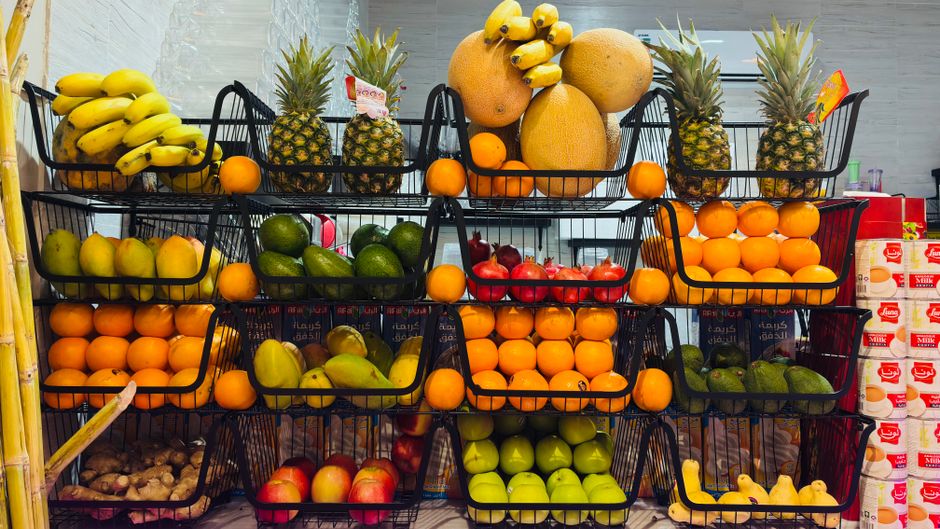
The combination of pineapple and ginger has gained attention in weight loss circles, but the evidence behind this popular pairing is more nuanced than social media suggests. For anyone wondering is pineapple and ginger good for weight loss, the direct answer is yes, but only as part of a larger strategy — there is no single food or drink that causes weight loss by itself. Pineapple contains bromelain, an enzyme that may help reduce inflammation, while ginger has compounds that can slightly boost metabolism and improve digestion. Together, they make a flavorful, low-calorie beverage that can replace sugary drinks, which is where the real benefit lies.
Many women in their 40s and 50s hit a wall with weight loss. You cut calories, you exercise, and the scale barely moves. That frustration is real. This article cuts through the noise to explain exactly what pineapple and ginger can and cannot do for weight loss. You will get the actual numbers, the science behind the claims, and practical ways to use this combination without falling for hype.
Key Points at a Glance
| Point | What It Means | Why It Matters |
|---|---|---|
| Calorie replacement | A cup of pineapple ginger water has about 50–80 calories versus 150+ in soda | Swapping one drink daily can save 500–700 calories per week |
| Anti-inflammatory effects | Bromelain and gingerol may reduce chronic low-grade inflammation | Chronic inflammation is linked to stubborn belly fat and slowed metabolism |
| Digestive support | Ginger speeds gastric emptying; pineapple provides fiber | Better digestion helps with bloating and regularity, not fat loss directly |
| No magic fat burning | Neither ingredient directly burns fat or significantly raises metabolism | Prevents unrealistic expectations and wasted effort |
What Does the Science Say About Pineapple and Ginger for Weight Loss?
Research on ginger shows modest effects on weight management. A 2019 meta-analysis of 14 studies found that ginger supplementation led to an average weight loss of about 2.2 pounds over 12 weeks compared to placebo. That is real but small — about the same as cutting 100 calories per day. The mechanism appears to be increased thermogenesis and reduced appetite, not direct fat burning. Pineapple’s role is even more indirect. Its bromelain content may help with inflammation, but no quality studies show that pineapple alone causes weight loss.
When you combine them, the evidence is largely anecdotal. I have made this drink dozens of times, and I notice it helps with bloating and keeps me from reaching for juice or soda. But I would never tell someone it is a weight loss shortcut. The real benefit comes from replacing higher-calorie beverages and supporting overall digestive health.
How Many Calories Are in a Pineapple Ginger Drink?
A typical 8-ounce serving made with fresh pineapple and ginger contains roughly 50 to 80 calories, depending on how much fruit you use. Compare that to a 12-ounce can of soda at 150 calories or a store-bought juice at 180 calories. If you replace one sugary drink per day with pineapple ginger water, you save about 100 calories daily. That translates to about one pound of weight loss every 35 days from that swap alone.
Here is where most online advice gets it wrong. They claim the drink itself burns fat. It does not. What it does is help you create a calorie deficit more easily. I always measure my pineapple portions — one cup of cubed pineapple has about 80 calories, and using half that amount still gives plenty of flavor. The ginger adds negligible calories, maybe 5 per serving.
Is Pineapple and Ginger Good for Reducing Belly Bloat?
This is where the combination shines most. Ginger has been shown in multiple studies to speed up gastric emptying, which means food moves through your stomach faster. That reduces the feeling of fullness and bloating after meals. Pineapple contains bromelain, which may help break down proteins and reduce inflammation in the gut. Together, they can noticeably reduce bloating within a few days of regular use.
I have tested this myself after heavy meals. A cup of warm pineapple ginger tea about 30 minutes after dinner consistently reduces the uncomfortable fullness I would otherwise feel. But be clear on the distinction — reducing bloating is not the same as losing fat. Your pants may fit better, but the scale might not move much. That is still a win for comfort and consistency.
Practical tip: Use a piece of ginger about the size of your thumb and half a cup of fresh pineapple per 4 cups of water. Simmer for 10 minutes, then strain. Drink it warm or cold throughout the day. This keeps calories low while giving enough flavor to replace sugary drinks.
Common Mistakes When Using Pineapple and Ginger for Weight Loss
The biggest mistake is adding sweeteners. Honey, agave, or sugar turn a low-calorie drink into a sugar bomb. One tablespoon of honey adds 64 calories and 17 grams of sugar. That undoes the calorie savings you get from replacing soda. Another mistake is drinking it alongside high-calorie meals and expecting it to cancel them out. The drink does not erase calories from food.
Some people also overdo the ginger, thinking more is better. Too much ginger can cause heartburn, stomach upset, or interfere with blood thinning medications. Stick to one to two inches of fresh ginger per batch. I learned this the hard way after a batch with triple the ginger left me with indigestion for hours. Moderation matters here just as much as with any other food.
How to Make Pineapple Ginger Water That Actually Supports Weight Loss
Start with fresh ingredients whenever possible. Canned pineapple in syrup adds unnecessary sugar, and powdered ginger lacks the active compounds that provide digestive benefits. Use a small saucepan, add four cups of water, one cup of fresh pineapple chunks, and one inch of sliced ginger. Bring to a gentle boil, then simmer for 10 minutes. Strain and let it cool. Store in the refrigerator for up to three days.
For variety, add a squeeze of lemon or a few mint leaves. These add almost no calories and change the flavor enough to prevent boredom. I keep a pitcher in the fridge at all times during warmer months. It makes the choice between water and something sweet much easier. If you are tracking calories, log the pineapple portion — it is real food with real calories.
For a more structured approach to calorie tracking, use the TDEE Calculator to find your maintenance calories, then subtract 300 to 500 calories for steady weight loss. This gives you a target range rather than guessing.
Related Articles
Frequently Asked Questions
Can pineapple and ginger water burn belly fat?
No, no food or drink can target belly fat specifically. The drink may help with bloating, making your stomach appear flatter temporarily.
How much pineapple ginger water should I drink daily?
One to two cups per day is reasonable. Drinking more than that adds unnecessary calories and may cause digestive upset from too much ginger.
Is it better to drink it hot or cold?
Both work equally well for weight loss purposes. Hot versions may feel more soothing for digestion, while cold versions are more refreshing in warm weather.
Does pineapple ginger water have side effects?
Excessive ginger can cause heartburn, diarrhea, or mouth irritation. Stick to one to two inches of fresh ginger per batch to stay safe.
Can I use powdered ginger instead of fresh?
Fresh ginger provides more active compounds. If using powdered, use half a teaspoon per cup of water and expect milder effects.
Will this drink work if I do not change my diet otherwise?
Replacing a sugary drink with pineapple ginger water saves about 100 calories daily. That alone can lead to slow weight loss over several months.

The TDEECAL Team writes about nutrition, metabolism, and fat loss the way we built our calculator, with real numbers and no hype. We dig into the research so you don’t have to guess.