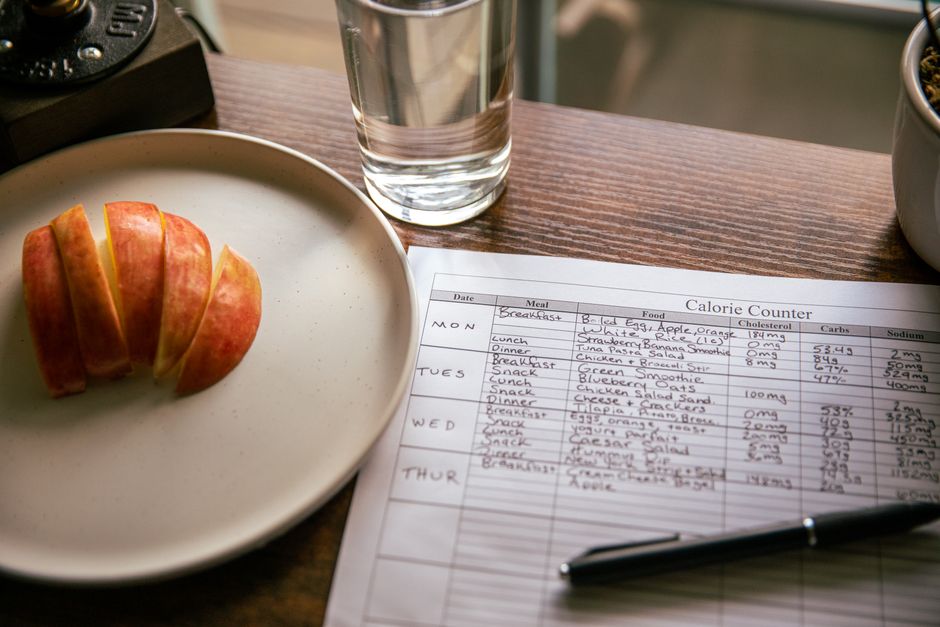
Counting macros for weight loss can feel overwhelming when you first start. It involves tracking grams of protein, carbohydrates, and fat rather than just calories. But the basic approach is simpler than most people think.
To count macros for weight loss as a beginner, you first calculate your total daily energy expenditure (TDEE). Then you set a moderate calorie deficit, usually 300-500 calories below maintenance. Finally, you split those remaining calories into protein, carbs, and fat based on your body weight and activity level. This method helps you lose fat while preserving muscle and managing hunger.
Most women over 35 have tried generic diet advice that fails. Counting macros is different because it adjusts to your specific body and lifestyle. It does not require cutting out entire food groups or following rigid meal plans.
This article walks through the exact steps to start macro counting without the confusion. It covers what ratios work best for women in this age range, how to track without obsessing, and common mistakes to avoid. The goal is to give you a system you can actually stick with.
Key Points at a Glance
| Point | What It Means | Why It Matters |
|---|---|---|
| Find your baseline | Calculate TDEE using your age, weight, height, and activity | Prevents eating too little or too much from the start |
| Set a small deficit | Subtract 300-500 calories from maintenance | Supports steady fat loss without crashing metabolism |
| Prioritize protein | Target 0.7-1.0 grams per pound of body weight | Preserves muscle and keeps you full during weight loss |
| Adjust fat and carbs | Fill remaining calories with a split that feels sustainable | Flexibility makes the diet easier to maintain long term |
| Track consistently | Use a food scale and app for at least two weeks | Accuracy in the beginning builds reliable habits |
What Are Macros and Why Do They Matter for Weight Loss?
Macronutrients are protein, carbohydrates, and fat. Your body needs all three to function properly. Calories from each macro affect your energy, hormones, and body composition differently.
Protein is the most important macro for women losing weight. It helps preserve lean muscle mass, which naturally declines with age. More muscle means a higher resting metabolism, making weight loss easier over time. I have found that most women in their 40s and 50s eat far less protein than they actually need.
Carbohydrates provide quick energy for daily activities and exercise. They are not the enemy, despite what some diet trends claim. Fat supports hormone production and helps you absorb certain vitamins. The key is getting the right balance for your individual body.
How to Count Macros for Weight Loss as a Beginner
Start by calculating your TDEE using a reliable calculator. Use the TDEE Calculator to get your maintenance calories based on your age, height, weight, and activity level. This number is your starting point, not a rigid rule.
Subtract 300 calories from your maintenance number to create a moderate deficit. Avoid going below 1,400 calories per day unless you are under medical supervision. Then divide your target calories into grams of protein, carbs, and fat.
Set protein at 0.8 grams per pound of body weight. For a 160-pound woman, that is 128 grams of protein daily. Set fat at 0.3-0.4 grams per pound, and fill the rest with carbohydrates. Use an app like MyFitnessPal or Cronometer to log everything for at least two weeks.
What Macro Ratios Work Best for Women Over 35?
Women over 35 often benefit from slightly higher protein and moderate carbohydrates. Hormonal changes during perimenopause can make insulin sensitivity shift. Keeping carbs moderate and protein high helps manage blood sugar and cravings.
A common split that works well is 30% protein, 30% fat, and 40% carbohydrates. Some women feel better with 35% fat and 35% carbs. The right ratio depends on your activity level and how your body feels. I personally noticed better energy when I shifted carbs to earlier in the day.
Start with a moderate split and adjust after two weeks. If you feel sluggish, increase carbs slightly. If you feel hungry between meals, increase protein or fat. There is no single perfect ratio for everyone.
Common Mistakes Beginners Make When Counting Macros
Not using a food scale is the biggest mistake. Guessing portion sizes leads to tracking errors of 20-50% or more. A digital kitchen scale costs under $15 and dramatically improves accuracy.
Another mistake is setting a calorie deficit that is too large. Eating 1,000 calories below maintenance might speed initial weight loss, but it often backfires. Your body adapts by lowering metabolism and increasing hunger hormones.
Ignoring fiber and micronutrients is also common. Eating 100 grams of carbs from soda is not the same as 100 grams from vegetables and whole grains. Focus on nutrient-dense foods within your macro targets for better health and satiety.
How to Stay Consistent Without Obsessing
Tracking every single meal forever is not necessary. Plan to track strictly for the first two to three weeks to learn portion sizes. After that, you can track a few days per week to stay on course.
Prepping some meals in advance helps reduce decision fatigue. Cook extra protein and vegetables on Sunday to use during the week. This makes it easier to hit your targets without thinking about it constantly.
Allow yourself flexibility on weekends or special occasions. One day of eating at maintenance will not undo your progress. The goal is consistency over time, not perfection every single day.
Related Articles
Frequently Asked Questions
Do I need to count macros forever to lose weight?
No. Most people track strictly for a few weeks to learn portion sizes. After that, many switch to tracking a few days per week or estimating without logging.
Can I eat whatever I want as long as it fits my macros?
Technically yes, but nutrient quality still matters. Eating mostly whole foods helps with satiety, energy, and long-term health better than processed options.
How long does it take to see results from counting macros?
Most women notice changes in energy and hunger within the first week. Visible weight loss typically appears after two to four weeks of consistent tracking.
What if I am hungry even when I hit my macro targets?
Increase your protein or fiber intake first. Both increase fullness without adding many calories. Also check that you are drinking enough water throughout the day.
Do I need to adjust my macros as I lose weight?
Yes. Your TDEE decreases as you lose weight because smaller bodies require fewer calories. Recalculate your macros every 10-15 pounds lost to keep progress steady.
Is counting macros safe for women over 50?
Yes, with proper attention to protein and calcium intake. Women over 50 need adequate protein to prevent muscle loss and support bone health during menopause.

The TDEECAL Team writes about nutrition, metabolism, and fat loss the way we built our calculator, with real numbers and no hype. We dig into the research so you don’t have to guess.