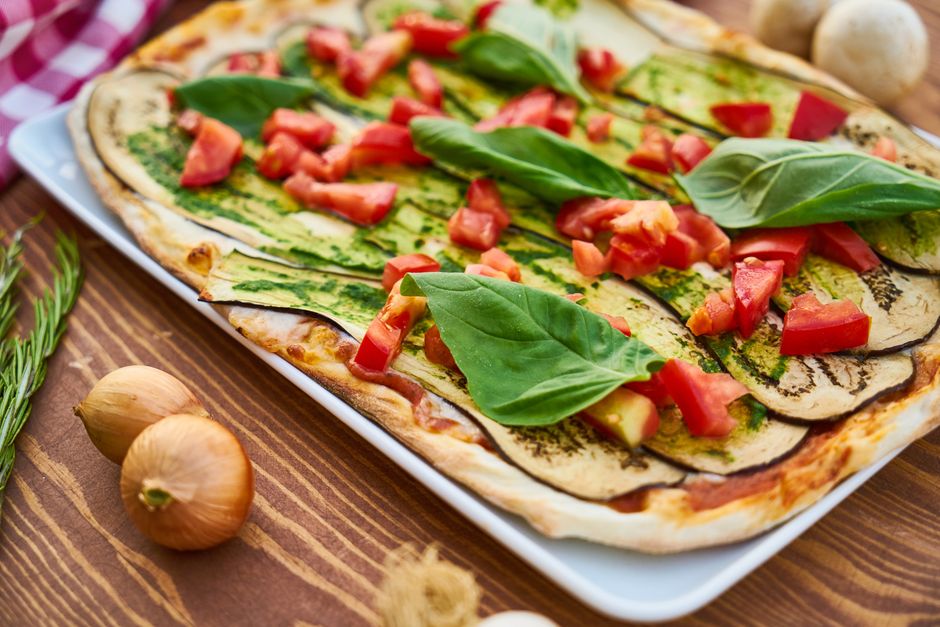
You open the delivery app and suddenly all your careful meal planning feels like it might slip away. The honest answer to which pizza is good for weight loss is a thin-crust pizza with a light cheese and vegetable topping, ideally around 250–350 calories for two slices. Most people assume pizza is completely off-limits, but the evidence shows that choosing the right style and portion makes it a perfectly reasonable option within a balanced diet. This article breaks down the specific pizza choices that support weight loss, the exact toppings to prioritize, and the common mistakes that turn a reasonable meal into a calorie overload.
Key Points at a Glance
| Point | What It Means | Why It Matters |
|---|---|---|
| Crust thickness | Thin crust saves 80–120 calories per slice compared to deep dish | That difference adds up fast if you eat two or three slices |
| Cheese amount | Light cheese or part-skim mozzarella cuts about 50 calories per slice | You keep the flavor without the extra saturated fat |
| Vegetable toppings | Add fiber and volume for very few calories | They help you feel full on fewer total calories |
| Portion control | Two slices is a reasonable serving, not four | Most people underestimate how many slices they actually eat |
What Makes a Pizza Good for Weight Loss?
The core question of which pizza is good for weight loss comes down to three factors: calorie density, protein content, and fiber. A standard slice of pepperoni pizza from a chain restaurant can hit 300 calories easily. But a thin-crust slice with vegetables and light cheese often lands around 180–220 calories. That 80-calorie difference per slice means you save 240 calories across three slices.
Protein matters here too. Pizza with lean protein toppings like grilled chicken or shrimp helps with satiety. I always notice that a chicken and vegetable pizza keeps me full for hours longer than a cheese-heavy option. The fiber from vegetables like mushrooms, bell peppers, and spinach also slows digestion and stabilizes blood sugar.
Practical tip: When ordering, ask for light cheese and extra vegetables. Most pizzerias will do this without any upcharge.
Which Crust Is the Best Choice?
Thin crust is consistently the best option for weight loss. A thin-crust slice typically has 150–200 calories, while a thick or stuffed crust can run 300–400 calories per slice. The evidence is straightforward here — you get more pizza volume for fewer calories with thin crust.
Cauliflower crust has gained popularity, but the evidence is mixed. Some cauliflower crusts actually have more calories than thin wheat crust because they add cheese and oil to hold the dough together. My own experience testing various crusts showed that a standard thin wheat crust often outperforms cauliflower options on both taste and calorie count. Check the nutrition facts if you go with cauliflower.
How Toppings Change the Calorie Math
Vegetable toppings are your strongest ally. Mushrooms, onions, bell peppers, spinach, and tomatoes add flavor and fiber for minimal calories. A full vegetable topping pizza can have 40–60 fewer calories per slice than a meat-heavy option. Protein-rich toppings like grilled chicken or lean ham also work well without driving calories too high.
Processed meats like pepperoni and sausage add significant calories and sodium. Three slices of pepperoni pizza can contain over 1,000 milligrams of sodium, which is nearly half the daily recommended limit. I usually swap pepperoni for grilled chicken and notice the pizza feels less greasy overall. That greasiness is often a sign of extra oil that adds calories you do not need.
Portion Size and Frequency Matter
Even the best pizza choice will not support weight loss if you eat four or five slices. Two slices of a well-chosen pizza with a side salad or vegetables is a reasonable meal that fits most weight loss plans. The total calorie count for this meal typically lands between 500 and 700 calories.
Frequency also plays a role. Having pizza once a week as part of a planned meal is very different from eating it three times a week. I find that planning pizza night in advance helps me enjoy it without guilt or overeating. You can check your specific calorie needs using the TDEE Calculator to see exactly how pizza fits into your daily target.
Common Mistakes That Undermine Progress
One major mistake is assuming that all vegetable pizzas are low calorie. Some restaurants load vegetable pizzas with extra cheese and oil, which can push the calorie count higher than a simple cheese pizza. Always check for added oils and heavy cheese layers.
Another mistake is eating pizza alone without any vegetables on the side. A small side salad or roasted vegetables before your pizza helps you eat fewer slices overall. I have noticed that when I eat a salad first, I naturally stop at two slices instead of reaching for a third. This simple habit can save 200–300 calories per meal.
Related Articles
Frequently Asked Questions
Is thin crust always better for weight loss?
Thin crust is generally lower in calories, but check the nutrition facts because some thin crusts use extra oil. A standard thin wheat crust is the safest choice.
Can I eat pizza every week and still lose weight?
Yes, if you choose the right toppings and keep your portion to two slices. Planning it into your weekly calorie budget makes it sustainable.
Is cauliflower pizza crust actually healthier?
Not always, because some cauliflower crusts add cheese and oil that raise the calorie count. Compare the nutrition labels before assuming it is lighter.
What is the best cheese option for weight loss?
Part-skim mozzarella is a good choice because it has less saturated fat than full-fat cheese. Ask for light cheese to cut about 50 calories per slice.
How many slices of pizza should I eat for weight loss?
Two slices is a reasonable portion for most people, especially when paired with a side of vegetables. Adjust based on your specific calorie needs using a TDEE calculator.
Does the time of day matter when eating pizza?
No, your total daily calorie intake matters more than the time you eat. Eating pizza at dinner is fine as long as it fits your overall calorie target.

The TDEECAL Team writes about nutrition, metabolism, and fat loss the way we built our calculator, with real numbers and no hype. We dig into the research so you don’t have to guess.