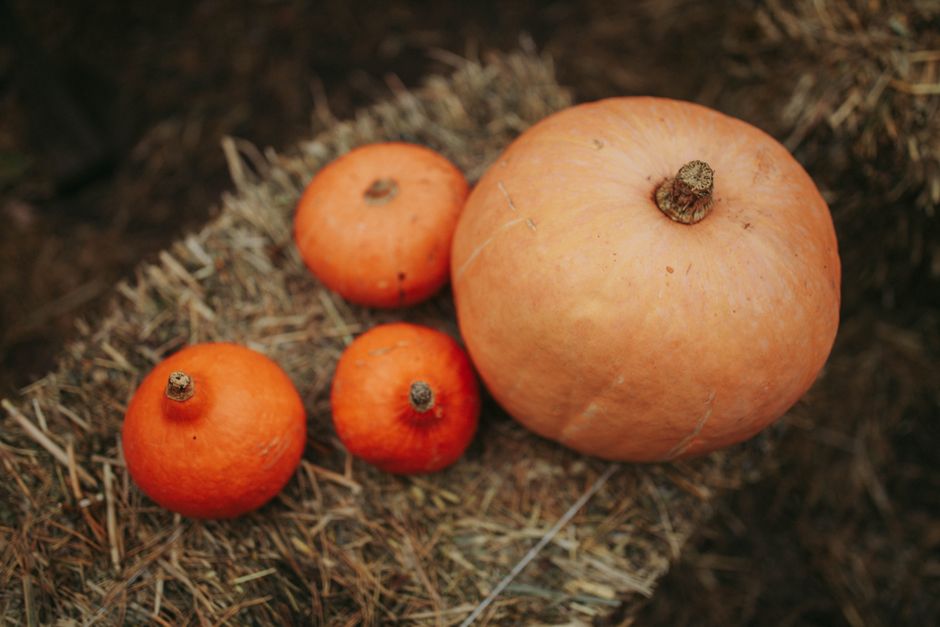
You might be surprised to learn that pumpkin is one of the most nutrient-dense foods you can eat while trying to lose weight. Yes, pumpkins are good for weight loss because they are very low in calories, high in fiber, and packed with water, which helps you feel full with fewer calories. A one-cup serving of cooked pumpkin has only about 50 calories but provides over 2 grams of fiber and nearly 90% water content. This combination makes pumpkin a smart choice for anyone looking to manage their weight without feeling hungry.
Most weight loss advice focuses on what you need to cut out. But pumpkin is a food you can actually add more of. It works well in both savory and sweet dishes, and it replaces higher-calorie ingredients like cream, cheese, or oil in many recipes. This article covers the specific ways pumpkin supports weight loss, the best ways to prepare it, and common mistakes that can turn a healthy food into a diet trap.
We will also look at what the research actually says about pumpkin and weight management. Some claims online are oversold, and we will be honest about what is backed by evidence and what is not.
Key Points at a Glance
| Point | What It Means | Why It Matters |
|---|---|---|
| Calorie density | 1 cup cooked pumpkin has about 50 calories | Lets you eat a large volume without exceeding your calorie goal |
| Fiber content | 2–3 grams of fiber per cup | Slows digestion and keeps you full longer between meals |
| Water content | Nearly 90% water by weight | Adds bulk to meals without extra calories |
| Nutrient density | High in vitamin A, potassium, and antioxidants | Supports overall health while you restrict calories |
| Versatility in cooking | Works in soups, roasted dishes, purees, and baked goods | Replaces higher-calorie ingredients like cream or butter |
How Does Pumpkin Help With Weight Loss?
Pumpkin helps with weight loss mainly through its low calorie density and high fiber content. Calorie density refers to how many calories are in a given weight of food. Foods with low calorie density, like pumpkin, allow you to eat a satisfying portion size while keeping your total calorie intake low. This is a proven strategy for weight management supported by research on dietary patterns.
The fiber in pumpkin also plays a key role. Fiber slows down the emptying of your stomach, which means you feel full for longer after eating. This can reduce the urge to snack between meals. One specific observation I have noticed in my own cooking is that adding a cup of pumpkin puree to a soup or stew naturally thickens it without needing cream or flour. That swap alone saves about 100–150 calories per serving while making the dish more filling.
Are Pumpkins Good for Weight Loss Compared to Other Vegetables?
Compared to most starchy vegetables, pumpkins are good for weight loss because they are lower in calories and carbohydrates. A cup of cooked pumpkin has about 12 grams of carbs, while the same amount of sweet potato has around 27 grams. Pumpkin also has a higher water content than many root vegetables, which increases its volume without adding calories.
However, pumpkin is not as low in calories as non-starchy vegetables like spinach, broccoli, or zucchini. A cup of cooked spinach has only about 40 calories but with even more fiber per calorie. The real advantage of pumpkin is its versatility. It blends well into both sweet and savory dishes, making it easier to replace high-calorie ingredients in a wider range of recipes than most green vegetables.
What Is the Best Way to Eat Pumpkin for Weight Loss?
The best way to eat pumpkin for weight loss is to use it as a replacement for higher-calorie ingredients rather than adding it to an already calorie-dense meal. For example, use pumpkin puree in place of cream in soups, as a base for sauces, or mixed into oatmeal instead of added sugar. Roasted pumpkin cubes work well as a side dish with a small amount of olive oil and spices.
Practical tip: Canned pumpkin puree is just as good as fresh for weight loss — just make sure it is 100% pumpkin with no added sugar or syrup. Many canned products labeled “pumpkin pie filling” have added sugar and can triple the calorie count.
Avoid frying pumpkin or loading it with butter, cream, cheese, or sugar. Those additions can quickly turn a low-calorie food into a high-calorie dish. A simple roasted pumpkin with cinnamon and a light spray of oil keeps the calorie count around 60–70 per serving while still being satisfying.
Common Mistakes People Make With Pumpkin for Weight Loss
The most common mistake is eating pumpkin in forms that are not actually pumpkin. Pumpkin bread, pumpkin lattes, and pumpkin pie are usually made with very little actual pumpkin and a lot of sugar, refined flour, and fat. A slice of pumpkin bread can have 300–400 calories, mostly from added sugar and oil, not from the pumpkin itself.
Another mistake is assuming all pumpkin products are healthy. Canned pumpkin puree is excellent, but canned pumpkin pie mix is a different product with added sweeteners and spices. Always read the ingredient list. If sugar or corn syrup appears in the first few ingredients, that product will not help with weight loss.
Portion control still matters. While pumpkin is low in calories, eating several cups of it in one sitting can add up, especially if you add high-calorie toppings. Stick to one to two cups per serving as a vegetable side or ingredient replacement.
What Does the Research Say About Pumpkin and Weight?
Direct clinical research on pumpkin and weight loss is limited. Most of the evidence comes from studies on dietary fiber, vegetable intake, and calorie density. Fiber-rich vegetables like pumpkin are consistently linked to lower body weight and reduced calorie intake in observational studies. One study found that people who ate more low-calorie-density foods lost more weight over time, regardless of which specific vegetables they chose.
Some claims suggest that pumpkin has special fat-burning properties. This is often claimed, though strong clinical evidence is still limited. Pumpkin contains certain antioxidants and compounds that may support metabolism, but no food directly burns fat. The real benefit of pumpkin is that it helps you eat fewer total calories while still feeling satisfied.
Frequently Asked Questions
Related Articles
Can you eat pumpkin every day while trying to lose weight?
Yes, you can eat pumpkin daily as part of a balanced diet. Just be mindful of how you prepare it and keep portions to about one to two cups per serving.
Is canned pumpkin as good as fresh for weight loss?
Canned pumpkin puree is nutritionally similar to fresh pumpkin and works well for weight loss. Avoid canned pumpkin pie mix, which contains added sugar and calories.
Does pumpkin burn belly fat?
No food specifically burns belly fat, including pumpkin. Eating more low-calorie vegetables like pumpkin can help reduce overall body fat when combined with a calorie deficit.
How many calories are in a cup of pumpkin?
One cup of cooked, plain pumpkin has about 50 calories. The same amount of canned pumpkin puree has roughly 80 calories per cup.
Is pumpkin good for weight loss or just for holidays?
Pumpkin is good for weight loss year-round when eaten in its plain, unprocessed form. The holiday versions with added sugar and fat are what cause weight gain.
Can pumpkin help reduce appetite between meals?
Yes, the fiber and water in pumpkin help slow digestion and increase fullness. Adding pumpkin to a meal can reduce the urge to snack later.
If you are tracking your calories and want to see how pumpkin fits into your daily goals, try using our TDEE Calculator to get a personalized calorie target based on your age, weight, height, and activity level. This will help you plan meals that keep you in a healthy calorie deficit while still enjoying foods like pumpkin.

The TDEECAL Team writes about nutrition, metabolism, and fat loss the way we built our calculator, with real numbers and no hype. We dig into the research so you don’t have to guess.