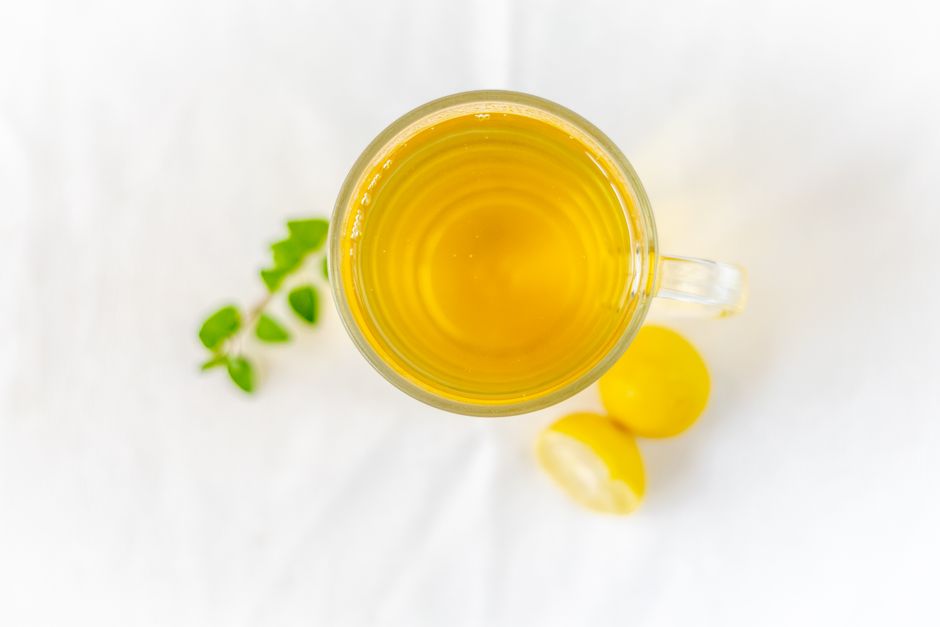
Tulsi tea has been a staple in Indian households for centuries, but its role in weight management is often misunderstood. The leaves of the holy basil plant offer a gentle, caffeine-free way to support your metabolism without the jitters of coffee.
To make tulsi tea for weight loss, steep 5-7 fresh tulsi leaves (or 1 teaspoon of dried leaves) in one cup of hot water for 5-7 minutes, then strain and drink it warm, ideally 20-30 minutes before meals. This simple preparation allows the plant compounds to release into the water, creating a beverage that supports digestion and may help reduce stress-related eating.
Most weight loss advice focuses on what you eat, but what you drink matters just as much. Tulsi tea offers a practical alternative to sugary beverages and evening snacks, which are often the hidden sources of excess calories. This guide covers the preparation, the evidence behind its benefits, and the realistic expectations you should have.
You will not find miracle claims here. Instead, you will get a clear picture of how this ancient herb fits into a modern weight loss plan.
Key Points at a Glance
| Point | What It Means | Why It Matters |
|---|---|---|
| Preparation time | 5-7 minutes from start to finish | Easy to fit into a busy morning or evening routine |
| Calorie content | Zero calories without added sweeteners | Replaces higher-calorie drinks like soda or sweetened coffee |
| Primary mechanism | Stress reduction and digestion support | Indirectly helps with cortisol-related belly fat and mindful eating |
| Evidence strength | Moderate for stress, limited for direct fat burning | Sets realistic expectations about what the tea can and cannot do |
| Best timing | 20-30 minutes before meals or in the evening | Supports appetite regulation and replaces late-night snacking |
What Actually Happens When You Drink Tulsi Tea?
Tulsi, also known as holy basil, contains compounds called adaptogens. These substances help your body manage stress, which matters more for weight loss than most people realize. Chronic stress raises cortisol levels, and elevated cortisol is linked to increased abdominal fat and stronger cravings for high-calorie foods.
Some studies suggest that tulsi can lower cortisol and reduce anxiety symptoms. This is not the same as burning fat directly, but it creates the hormonal environment where weight loss becomes easier. When your stress levels drop, your body is less likely to hold onto fat and more likely to respond to your diet and exercise efforts.
I always keep a small pot of fresh tulsi on my kitchen windowsill. The aroma alone is calming, and having it within reach makes the evening tea ritual feel intentional rather than automatic.
Research published in the Journal of Ayurveda and Integrative Medicine has examined tulsi’s adaptogenic properties, though most studies are small and preliminary. The evidence points toward stress reduction as the main benefit, not direct calorie burning.
Practical tip: Brew your tulsi tea in the evening when your stress levels peak. This is when you are most likely to reach for comfort foods, and having a warm, flavorful drink already in hand gives you a moment to pause.
How to Make Tulsi Tea for Weight Loss: Step-by-Step
Start with fresh leaves if you can find them, as they have a brighter, more complex flavor than dried versions. Rinse 5-7 leaves thoroughly, gently bruise them with your fingers to release the oils, and place them in a mug. Pour one cup of water that has just reached a boil over the leaves, cover the mug, and let it steep for 5-7 minutes.
Strain the tea into another cup and drink it warm. Do not add sugar, honey, or milk if your goal is weight loss, as these additions add calories and can blunt the effect. A thin slice of lemon or a small piece of ginger adds flavor without significant calories.
For dried tulsi leaves, use one teaspoon per cup and reduce the steeping time to 4-5 minutes. The dried form is more concentrated, so it extracts faster. You can also find tulsi tea bags at most grocery stores, which follow the same steeping instructions as regular tea bags.
I prefer the fresh leaves because they hold their flavor longer through multiple steepings. One batch of leaves can often produce two good cups, which makes the effort feel worthwhile.
Does Tulsi Tea Actually Burn Fat?
The honest answer is no, not directly. No strong clinical evidence currently supports the claim that tulsi tea burns fat on its own. The weight loss benefits come from three indirect pathways: replacing higher-calorie drinks, reducing stress-related eating, and improving digestion.
Swapping one sugary soda for tulsi tea saves roughly 150 calories per day. Over a month, that adds up to about 4,500 calories, which translates to a little over one pound of fat loss, assuming everything else stays the same. This is not dramatic, but it is real and sustainable.
The stress reduction piece may be more significant. When cortisol levels drop, your body becomes more sensitive to insulin, which helps regulate blood sugar and reduces the intensity of cravings. Some research indicates that adaptogens like tulsi can support this process, though the effects vary from person to person.
Practical tip: Pair your tulsi tea with a 5-minute breathing exercise. The combination of the calming herb and deliberate deep breaths creates a stronger relaxation response than either alone.
When Should You Drink Tulsi Tea for Best Results?
Timing matters more than most people think. Drinking tulsi tea 20-30 minutes before meals gives your body time to register the liquid volume, which can help you feel fuller and eat slightly less. The warm temperature also signals your digestive system to prepare for food.
Evening consumption works well for a different reason. Many people struggle with late-night snacking, not because they are hungry, but because they are bored or stressed. A warm cup of tulsi tea fills that gap without adding calories, and the calming effect may help you fall asleep faster.
Some research suggests that tulsi may have a mild blood sugar-lowering effect. If you have diabetes or take medication for blood sugar management, talk to your doctor before making tulsi tea a daily habit, as it could interact with your medication.
I notice the biggest difference when I drink it in the late afternoon, around 3 or 4 p.m. That is the time I used to reach for a second coffee or a sweet snack, and the tea gives me a gentle energy lift without the caffeine crash.
What to Add (and What to Avoid) in Your Tulsi Tea
Keep your tulsi tea simple if weight loss is your goal. Lemon juice, fresh ginger, cinnamon, or a small pinch of cardamom all add flavor without adding meaningful calories. These additions also bring their own health benefits, like ginger’s anti-inflammatory properties or cinnamon’s potential blood sugar support.
Avoid adding sugar, honey, agave, or flavored creamers. A single tablespoon of honey adds about 60 calories, and a splash of creamer can add 30-40 calories. These small additions may not seem significant, but they can easily turn a zero-calorie drink into a 100-calorie one.
The evidence on tulsi’s direct weight loss effects is mixed at best. Some studies suggest it may help with metabolic markers, but results vary widely and the research is still in early stages. Treat tulsi tea as a supportive tool, not a primary weight loss strategy.
Practical tip: Brew a larger batch of tulsi tea in the morning and keep it in the refrigerator. Cold tulsi tea with a squeeze of lemon makes a refreshing afternoon drink that keeps you away from the vending machine.
How Many Calories Are in Tulsi Tea?
Plain tulsi tea contains zero calories. The leaves themselves have negligible caloric content, and steeping them in water extracts flavor and compounds without adding any meaningful energy. This makes it an excellent choice for anyone tracking their daily calorie intake.
If you add anything to the tea, the calorie count changes. A teaspoon of sugar adds 16 calories, a tablespoon of honey adds 60 calories, and a splash of whole milk adds about 9 calories. For weight loss purposes, drink it plain or with low-calorie additions like lemon or ginger.
Related Articles
Frequently Asked Questions
How much tulsi tea should I drink per day for weight loss?
Most research suggests 1-2 cups per day is a reasonable amount. Drinking more than 3 cups may cause digestive upset in some people.
Can I drink tulsi tea on an empty stomach?
Yes, tulsi tea is generally gentle on an empty stomach and may help settle digestion. If you experience any nausea, drink it with a small snack instead.
Is fresh or dried tulsi better for weight loss?
Both forms offer the same active compounds, so the choice comes down to availability and preference. Fresh leaves have a brighter flavor, while dried leaves are more convenient and have a longer shelf life.
Does tulsi tea interact with any medications?
Tulsi may interact with blood thinners, blood sugar medications, and thyroid medications. Check with your doctor before making it a daily habit if you take any prescription drugs.
Can I drink tulsi tea before bed?
Yes, tulsi tea is caffeine-free and may actually promote better sleep due to its calming properties. This can indirectly support weight loss by improving sleep quality and reducing late-night cravings.
How long does it take to see weight loss results from tulsi tea?
There is no set timeline because tulsi tea does not directly cause weight loss. You may notice reduced cravings and better stress management within a few weeks, but actual weight changes depend on your overall diet and activity level.
Understanding your full calorie picture is essential for weight loss. Use our TDEE Calculator to find your maintenance calories and create a realistic deficit that works with your lifestyle.

The TDEECAL Team writes about nutrition, metabolism, and fat loss the way we built our calculator, with real numbers and no hype. We dig into the research so you don’t have to guess.