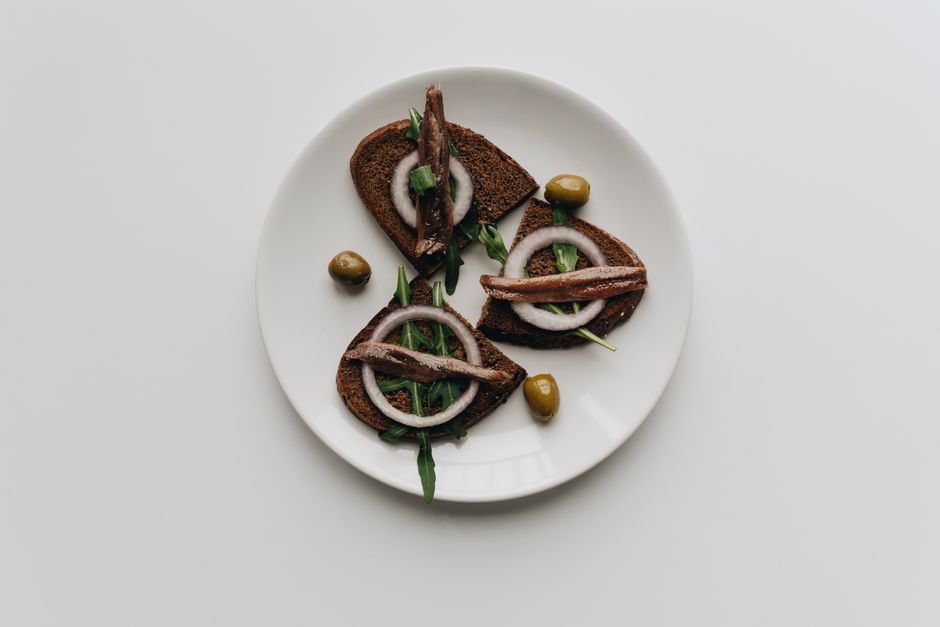
The Mediterranean diet keeps showing up in weight loss conversations for a reason. It is one of the most studied eating patterns in the world, and the evidence for its benefits is strong.
How to do the Mediterranean diet for weight loss comes down to a simple framework: prioritize vegetables, fruits, whole grains, legumes, nuts, and olive oil, while eating fish and poultry regularly and limiting red meat and sweets. You do not count calories obsessively or cut out entire food groups. Instead, you change the proportions on your plate and let the food quality do the work.
Most diet advice focuses on restriction. This one focuses on addition. You are adding more fiber, healthy fats, and plant protein, which naturally helps you feel full on fewer calories.
The confusion usually comes from the details. Which oils are acceptable? How much fish is enough? Can you still eat pasta? This guide answers those practical questions with clear, evidence-based direction.
Key Points at a Glance
| Point | What It Means | Why It Matters |
|---|---|---|
| Base every meal on plants | Vegetables, fruits, legumes, and whole grains fill most of your plate | High fiber intake supports fullness and steady energy |
| Use olive oil as your main fat | Replace butter and margarine with extra virgin olive oil | Monounsaturated fats support heart health and satiety |
| Eat fish twice weekly | Salmon, sardines, mackerel, or tuna count | Omega-3 fatty acids are a core part of the traditional pattern |
| Keep dairy and red meat moderate | Small portions of cheese and yogurt daily; red meat a few times monthly | Limiting saturated fat supports weight loss goals |
| Water is the default drink | Skip sugary beverages and limit wine to one glass daily if you drink | Liquid calories add up quickly and do not satisfy hunger |
What Does the Mediterranean Diet Actually Look Like on a Plate?
The Mediterranean diet is not a single meal plan. It is a pattern of eating common to countries like Greece, Italy, and Spain in the mid-20th century. Research consistently shows this pattern supports weight management and heart health.
At lunch and dinner, fill half your plate with non-starchy vegetables like leafy greens, tomatoes, peppers, and eggplant. Fill a quarter with whole grains such as farro, barley, or whole wheat pasta. The last quarter gets your protein, which should be fish, poultry, beans, or lentils most days. I always keep a jar of roasted red peppers and a can of chickpeas in the pantry — it turns a plain grain bowl into something satisfying in minutes.
How to Do the Mediterranean Diet for Weight Loss Without Counting Calories
The Mediterranean diet works for weight loss because it changes what you crave. When you eat enough fiber and healthy fat, your body gets the signals it needs to feel satisfied. Studies have found that people following this pattern naturally consume fewer calories without deliberate restriction.
That said, portion control still matters. Olive oil is healthy, but it is also calorie-dense. A tablespoon has about 120 calories. Use it generously on salads and vegetables, but measure it when you cook. Nuts are the same — a small handful is a serving, not the whole bag. I pour a serving into a small bowl rather than eating from the container; it makes a real difference over a week.
Protein timing also helps. Aim for a palm-sized portion of protein at each meal. This keeps blood sugar steady and reduces the urge to snack on processed foods between meals. If you are active, you may need slightly more; if you are mostly sedentary, slightly less.
Which Foods Should You Buy and Which Should You Skip?
The grocery list is straightforward. Buy extra virgin olive oil, fatty fish like salmon and sardines, chicken, eggs, Greek yogurt, lentils, chickpeas, whole grains, and as many vegetables as you can manage. Frozen vegetables count and are often cheaper than fresh.
Skip sugary drinks, processed snacks, refined white bread, and cured meats like bacon and salami. These foods are not part of the traditional pattern and are linked to weight gain in observational research. You do not need to eliminate them forever, but they should become occasional treats rather than staples.
One common mistake is assuming all Mediterranean-style products are healthy. Many commercial “Mediterranean” wraps, crackers, and dips are highly processed. Check the ingredient list. If sugar or refined flour appears in the first three ingredients, it is not a Mediterranean food in any meaningful sense.
How Much Fish, Olive Oil, and Wine Is Actually Recommended?
Fish should appear at least twice per week. Fatty fish like salmon, sardines, and mackerel are best because they provide omega-3 fatty acids. Canned sardines and tuna are affordable options that count just as much as fresh fish.
Olive oil is the primary cooking fat. Use it for sautéing vegetables, dressing salads, and finishing dishes. There is no strict daily quota, but most research on the pattern uses roughly two to four tablespoons daily. If you are tracking calories, measure it for the first few weeks until you have a sense of portion sizes.
Wine is optional. The traditional pattern includes moderate red wine with meals, but no health organization recommends starting to drink for health benefits. If you drink, limit it to one glass per day for women and two for men. Alcohol provides empty calories and can slow weight loss progress.
Can You Eat Pasta and Bread on the Mediterranean Diet?
Yes, but the type and portion matter. Traditional Mediterranean eating includes whole grain bread and pasta, not the refined white versions common in American diets. Whole wheat pasta, farro, and barley provide fiber and keep you full longer than their refined counterparts.
Portion size is also key. A serving of cooked pasta is about one cup, which is roughly the size of a clenched fist. Many restaurant portions triple that amount. At home, measure your grains for the first month. This builds awareness without requiring permanent calorie counting.
I find that roasting vegetables alongside the pasta helps. The vegetables add volume and nutrients, so you feel satisfied with a smaller portion of grains. It is a simple shift that makes the meal more Mediterranean and more filling at the same time.
Related Articles
Frequently Asked Questions
Is the Mediterranean diet good for rapid weight loss?
No, the Mediterranean diet produces gradual, sustainable weight loss rather than rapid results. Most people lose one to two pounds per week when they follow it consistently.
Do you need to count calories on the Mediterranean diet?
No, calorie counting is not required, but it can help if weight loss stalls. The diet works primarily through food quality and natural satiety rather than strict tracking.
Can you eat eggs on the Mediterranean diet?
Yes, eggs are a regular part of the Mediterranean pattern. Most traditional versions include up to four eggs per week, often as a protein source for vegetarian meals.
How quickly will you see results on the Mediterranean diet?
Most people notice improved energy and digestion within the first two weeks. Visible weight changes typically appear within four to six weeks of consistent adherence.
Is the Mediterranean diet expensive to follow?
It can be affordable if you lean on beans, lentils, eggs, frozen vegetables, and canned fish. These staples are inexpensive and form the core of the diet.
Can you eat dairy on the Mediterranean diet?
Yes, small amounts of cheese and yogurt are traditional. Greek yogurt and feta cheese are common choices, but keep portions moderate since dairy adds calories.
Calculate your personal calorie needs with our TDEE Calculator to understand how the Mediterranean diet fits your specific weight loss targets. Knowing your maintenance calories helps you adjust portions intelligently while still following the pattern.

The TDEECAL Team writes about nutrition, metabolism, and fat loss the way we built our calculator, with real numbers and no hype. We dig into the research so you don’t have to guess.