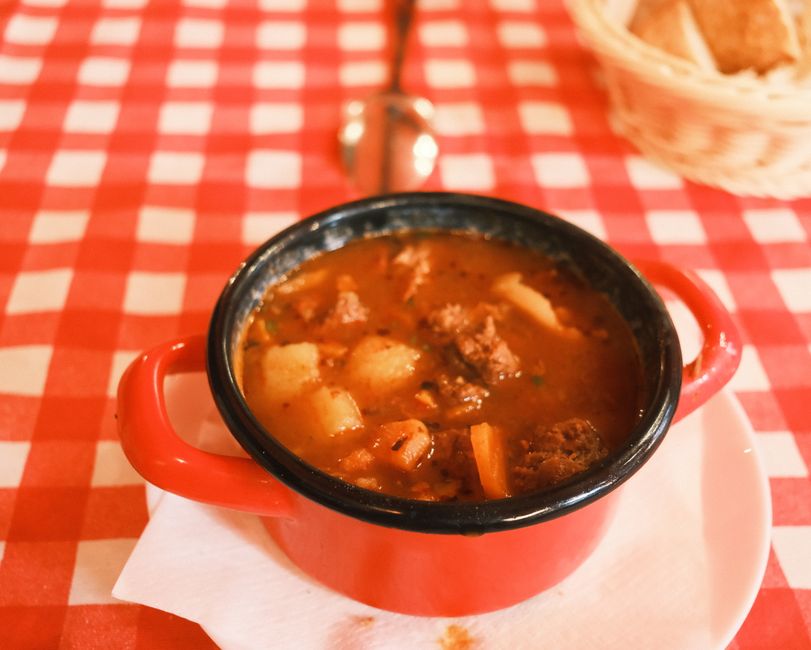
Is Goulash Healthy for Weight Loss
Goulash is one of those comforting one-pot meals that can either help or hurt your weight loss goals, depending entirely on how it is prepared. The honest answer is that goulash can be a solid choice for weight loss when made with lean protein and plenty of vegetables, but traditional recipes loaded with heavy oils and refined pasta can work against you.
So, is goulash healthy for weight loss? Yes, it can be, but only if you are careful about portion sizes and ingredient choices. The classic Hungarian version relies on beef, onions, and paprika, which are all nutrient-dense. The Americanized versions often add pasta or potatoes, which increase the calorie count significantly. Understanding what is in your bowl makes all the difference.
Most weight loss advice gets lost in extremes. Either you are told to cut out entire food groups, or you are handed a list of “clean” foods that ignores how cooking methods change everything. This article breaks down goulash nutrition by ingredient, shows you exactly how to adjust the recipe for weight loss, and answers the common questions people ask when they are counting calories and still want a warm, filling dinner.
Key Points at a Glance
| Point | What It Means | Why It Matters |
|---|---|---|
| Protein content | Lean beef or turkey provides 25-30 grams of protein per serving | Protein keeps you full longer and preserves muscle during weight loss |
| Vegetable volume | Onions, peppers, and tomatoes add fiber with minimal calories | High-volume foods help you feel satisfied on fewer calories |
| Carbohydrate source | Pasta or potatoes add 200-300 calories per cup | Swapping these for vegetables can cut calories by a third |
| Fat content | Traditional recipes use oil and fatty beef cuts | Trimming visible fat and using cooking spray reduces calories substantially |
| Portion size | One serving is roughly one cup to one and a half cups | It is easy to overeat stew-like dishes because they feel lighter than they are |
What Is Actually in a Bowl of Goulash?
Goulash originated in Hungary as a shepherd’s stew, and the original recipe is surprisingly simple. It contains beef, onions, paprika, and water. That is it. Over time, different regions added tomatoes, peppers, carrots, and sometimes potatoes or noodles. The American version you see in cookbooks often includes elbow macaroni and canned tomatoes, which changes the nutrition profile completely.
A standard one-cup serving of beef goulash with pasta contains roughly 250 to 350 calories, depending on the cut of meat and amount of oil used. The protein sits around 15 to 20 grams, and the carbohydrates come mostly from the pasta. If you skip the pasta and load up on peppers and tomatoes, the same serving drops to about 180 to 220 calories while the protein stays nearly the same. That difference of 100 calories per meal adds up to a pound lost every few weeks without changing anything else.
I always keep my paprika jar right next to the stove when I make this. The smoky kind adds so much depth that you never miss the extra oil.
Is Goulash Healthy for Weight Loss When You Count Macros?
The short answer is yes, and the math explains why. Lean beef round or sirloin provides about 150 calories and 26 grams of protein per three-ounce serving. Onions and bell peppers add roughly 40 calories per cup combined, and tomatoes contribute another 30 calories. A bowl built on those ingredients gives you a high-protein, high-volume meal that fits neatly into a calorie deficit.
The problems start when you add refined carbohydrates and extra fat. A cup of cooked elbow macaroni adds about 220 calories and 42 grams of carbohydrates. A tablespoon of vegetable oil adds 120 calories. Two tablespoons of sour cream on top add another 60 calories. These small additions can push a reasonable meal from 300 calories to over 600 calories, which makes it much harder to stay in a deficit.
Research consistently shows that protein and fiber are the two nutrients most strongly linked to feeling full after a meal. Goulash naturally provides both when you keep the vegetables high and the pasta low. Some studies suggest that soup-like meals with high water content help people eat fewer calories later in the day, which works in goulash’s favor.
Use a food scale for the first few servings. Goulash is dense, and a “bowl” can easily be two servings without looking like it.
How Many Calories Are in Goulash by Preparation Style?
Calorie counts vary widely because there is no single standard recipe. A traditional Hungarian goulash made with beef, onions, paprika, and minimal oil comes in around 200 to 250 calories per cup. Adding potatoes pushes it to 250 to 300 calories per cup. The American version with elbow macaroni and ground beef lands closer to 300 to 350 calories per cup, and restaurant versions with generous oil and sour cream can exceed 400 calories per cup.
The protein content also shifts with the meat choice. Ground beef at 80 percent lean gives you about 18 grams of protein per three-ounce cooked portion, while 93 percent lean ground beef gives you about 22 grams for fewer calories. Using turkey or chicken reduces the fat further. The vegetable-to-meat ratio matters more than the specific meat, so do not stress about choosing the perfect cut.
One thing I have learned from making this weekly is that the flavor comes from browning the meat well, not from adding more oil. A hot pan and a little patience give you that deep crust without the extra calories.
How to Make Goulash Weight Loss Friendly Without Losing the Taste
Start with the protein. Choose lean beef like sirloin or round, or use ground turkey if you want a lighter option. Brown the meat in a nonstick pan with cooking spray instead of oil. You will save 100 to 120 calories per tablespoon of oil without sacrificing the flavor.
Then, double the vegetables. Use two bell peppers instead of one, add a whole onion, and throw in some carrots or zucchini. These add volume and fiber, so you feel full on fewer calories. Replace half the pasta with extra vegetables, or skip the pasta entirely and serve the goulash over a small portion of brown rice or cauliflower rice.
Season generously with paprika, garlic, and black pepper. These add zero calories and plenty of flavor. If you want a creamy texture, stir in a tablespoon of plain Greek yogurt at the end instead of sour cream. It cuts about 40 calories per serving while adding protein.
Make a big batch on Sunday and portion it into containers right away. When it is already measured, you are far less likely to overeat.
How Much Goulash Can You Eat and Still Lose Weight?
Portion size is the single biggest factor in whether goulash helps or hurts your progress. A reasonable serving is one to one and a half cups, which provides roughly 250 to 400 calories depending on the recipe. That fits into most weight loss plans, especially if you pair it with a side salad or extra roasted vegetables.
Your total daily calorie target depends on your age, height, weight, and activity level. A woman in her 40s who is moderately active might aim for 1,600 to 1,800 calories per day to lose weight, while a woman in her 60s might need closer to 1,400 to 1,600. Goulash at 300 to 400 calories per serving leaves plenty of room for other meals and snacks.
Use an online TDEE calculator to find your maintenance calories, then subtract 300 to 500 calories for weight loss. That gives you a target that is sustainable and safe. Never drop below 1,200 calories per day without medical supervision, as that is the clinical minimum for women.
Frequently Asked Questions
Related Articles
Is goulash healthy for weight loss compared to other stews?
Yes, goulash is comparable to other vegetable-heavy stews and often better than cream-based soups. The key is keeping the pasta or potatoes to a minimum and loading up on vegetables and lean protein.
Can you eat goulash every day while dieting?
You can eat goulash daily if it fits your calorie target and you vary your vegetables. Eating the same meal repeatedly can lead to boredom, but nutritionally it is a balanced option.
Is goulash high in sodium?
Homemade goulash is only as salty as you make it, but canned tomatoes and packaged seasoning mixes add significant sodium. Use low-sodium tomatoes and season with paprika and garlic instead of salt.
Does goulash have too many carbohydrates for weight loss?
Traditional goulash with pasta or potatoes has moderate carbs, around 30 to 45 grams per serving. You can reduce this by swapping pasta for extra vegetables or cauliflower rice.
Is beef goulash or chicken goulash better for weight loss?
Chicken goulash is lower in calories and saturated fat, but lean beef is also a healthy choice. Both provide high-quality protein, so choose based on your preference and overall calorie needs.
Can goulash help you feel full longer?
Yes, the combination of protein, fiber, and water content helps you feel full for several hours. Research suggests that high-protein, high-fiber meals reduce hunger more than meals low in these nutrients.
Goulash can absolutely be part of a weight loss plan when you control portions and choose your ingredients wisely. Focus on lean protein, double the vegetables, and keep the pasta or potatoes to a minimum. Calculate your personal calorie target with our TDEE calculator to see exactly how goulash fits into your daily numbers.

The TDEECAL Team writes about nutrition, metabolism, and fat loss the way we built our calculator, with real numbers and no hype. We dig into the research so you don’t have to guess.