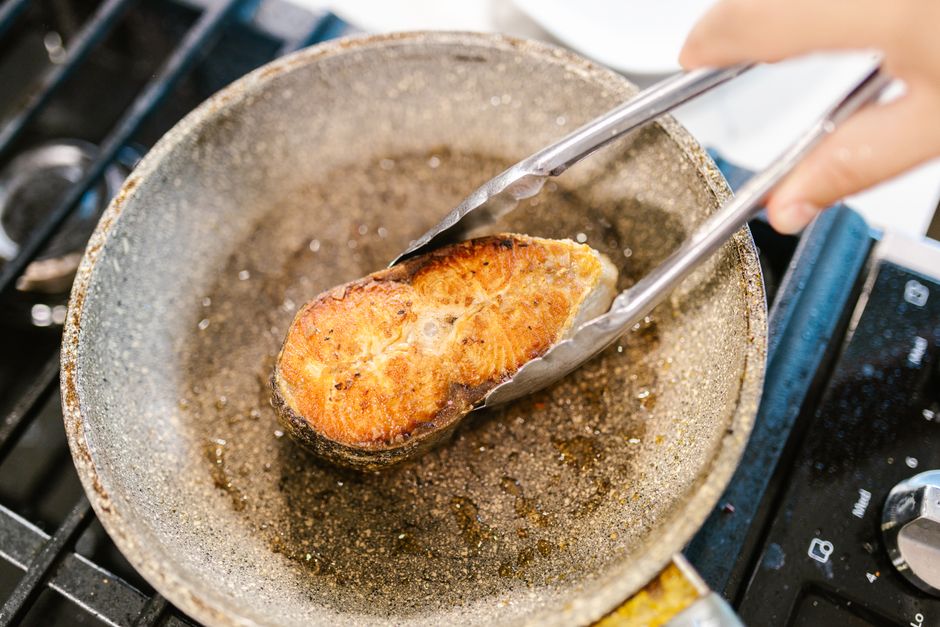
Is Fried Fish Good for Weight Loss?
Most people assume frying automatically ruins a healthy meal. But the real answer depends on the type of fish, the cooking oil, and how much you eat.
Is fried fish good for weight loss? The honest answer is that it depends entirely on preparation. A standard serving of fried fish contains roughly 250 to 350 calories, while the same fish baked or grilled has about 150 to 200 calories. The extra calories come from the oil absorbed during frying, which can add significant fat to an otherwise lean protein source.
What most weight loss advice gets wrong is treating all fried fish the same. A piece of cod fried in a light coating of olive oil at home is completely different from fish and chips from a restaurant. The batter, the oil temperature, and the portion size all change the final calorie count dramatically.
This guide breaks down what the evidence actually says about fried fish and weight loss. You will learn which types of fish work best, how cooking method changes the calorie equation, and how to make fried fish fit into a weight loss plan without derailing your progress.
Related Articles
Key Points at a Glance
| Point | What It Means | Why It Matters |
|---|---|---|
| Calorie difference | Fried fish has 50–100 more calories per serving than baked or grilled | That difference adds up to 1–2 pounds per month if eaten weekly |
| Oil type matters | Olive and avocado oil are healthier than vegetable or canola oil | Better fats mean better heart health even when frying |
| Batter adds calories | Thick batter doubles the calorie count compared to a light dusting | Choosing a thin coating keeps fried fish viable for weight loss |
| Protein stays high | Fried fish retains most of its protein content | Protein keeps you full and supports muscle retention during weight loss |
What Does the Research Say About Fried Fish and Weight Gain?
Research consistently shows that fried food consumption is linked to higher body weight over time. A study published in the BMJ found that people who ate fried food four or more times per week had a significantly higher risk of developing type 2 diabetes and cardiovascular problems.
But fish is different from other fried foods. Fatty fish like salmon and mackerel contain omega-3 fatty acids, which support heart health and reduce inflammation. Some studies suggest these benefits may partially offset the downsides of frying.
The evidence indicates that the problem is not the fish itself but the frying process. When fish is coated in batter and deep-fried, it absorbs oil and gains calories rapidly. A light pan-fry with minimal oil changes the picture considerably.
I always tell people to think about the coating first. A thin dusting of flour or cornmeal adds crunch without turning your meal into a calorie bomb. That single change makes fried fish a realistic option for weight loss.
How Many Calories Are in Fried Fish?
A 3.5-ounce serving of fried cod contains roughly 230 calories, according to USDA data. The same amount of baked cod has about 105 calories. That difference of roughly 125 calories comes almost entirely from the oil absorbed during frying.
The type of fish changes the numbers too. Fried salmon contains about 280 calories per 3.5-ounce serving because the fish itself is naturally higher in fat. Fried white fish like haddock or pollock stays closer to 200 calories.
Restaurant versions are harder to estimate. A typical fish and chips meal from a fast-food restaurant can contain 800 to 1,200 calories depending on portion size and batter thickness. Home-cooked versions with controlled oil are usually far lower.
The takeaway is simple: you can make fried fish fit into a weight loss plan if you control the oil and portion size. The problem is not frying itself but the excessive oil and oversized portions that come with restaurant versions.
Is Fried Fish Good for Weight Loss Compared to Other Cooking Methods?
Is fried fish good for weight loss compared to baking or grilling? The short answer is that baked and grilled fish are better for weight loss because they add fewer calories. But fried fish is not automatically disqualifying if you prepare it carefully.
The key difference is oil absorption. Baked fish absorbs almost no additional fat, while fried fish can absorb 10 to 20 percent of its weight in oil. That translates to roughly 90 to 180 extra calories per serving.
However, some research suggests that frying fish in olive oil may preserve more omega-3 fatty acids than baking. A study in the Journal of Agricultural and Food Chemistry found that frying salmon in extra-virgin olive oil actually increased its omega-3 content. This is because the fish absorbs some of the healthy oil from the pan.
The practical takeaway is that if you love fried fish, you do not have to give it up entirely. Choose a light coating, use a healthy oil, and pair it with vegetables instead of fries. This approach keeps the meal balanced and portion-controlled.
How to Make Fried Fish Work for Weight Loss
Start with a lean white fish like cod, haddock, or tilapia. These fish are naturally low in calories and absorb flavor well. Fatty fish like salmon are still fine but will add more calories per serving.
Use a light coating instead of thick batter. A thin layer of cornmeal, almond flour, or panko breadcrumbs adds crunch without doubling the calorie count. Skip the beer batter and heavy breading entirely.
Choose your oil carefully. Olive oil and avocado oil are healthier options because they contain monounsaturated fats. Avoid vegetable oil and canola oil, which are more processed and less beneficial for heart health.
Control your portion size. A serving of fish should be about the size of your palm or a deck of cards. Pair it with a large portion of vegetables and a small serving of whole grains for a balanced meal.
Frequently Asked Questions
Can I eat fried fish every week while losing weight?
Yes, you can eat fried fish once or twice per week if you prepare it at home with controlled oil and portions. Restaurant fried fish is harder to fit into a weight loss plan because portion sizes and oil amounts are unpredictable.
Is fried fish healthier than fried chicken?
Fried fish is generally healthier than fried chicken because fish contains less saturated fat and often provides beneficial omega-3 fatty acids. However, the frying method and batter still matter more than the protein source itself.
Does fried fish keep its protein content?
Yes, frying does not significantly reduce the protein content of fish. A 3.5-ounce serving of fried fish still provides roughly 20 to 25 grams of protein, which supports fullness and muscle retention during weight loss.
What is the healthiest oil for frying fish?
Olive oil and avocado oil are the healthiest options for frying fish because they contain heart-healthy monounsaturated fats. These oils also have higher smoke points, which means they are less likely to break down during cooking.
Is fish and chips good for weight loss?
Traditional fish and chips is not good for weight loss because it combines fried fish with deep-fried potatoes, creating a meal that often exceeds 1,000 calories. A homemade version with a light coating and baked potato wedges is a better option.
How many calories does frying add to fish?
Frying typically adds 50 to 125 calories per 3.5-ounce serving compared to baking or grilling. The exact amount depends on the oil used, the coating thickness, and how long the fish cooks.
Calculate your daily calorie needs with our TDEE calculator to see how fried fish fits into your weight loss plan.

The TDEECAL Team writes about nutrition, metabolism, and fat loss the way we built our calculator, with real numbers and no hype. We dig into the research so you don’t have to guess.