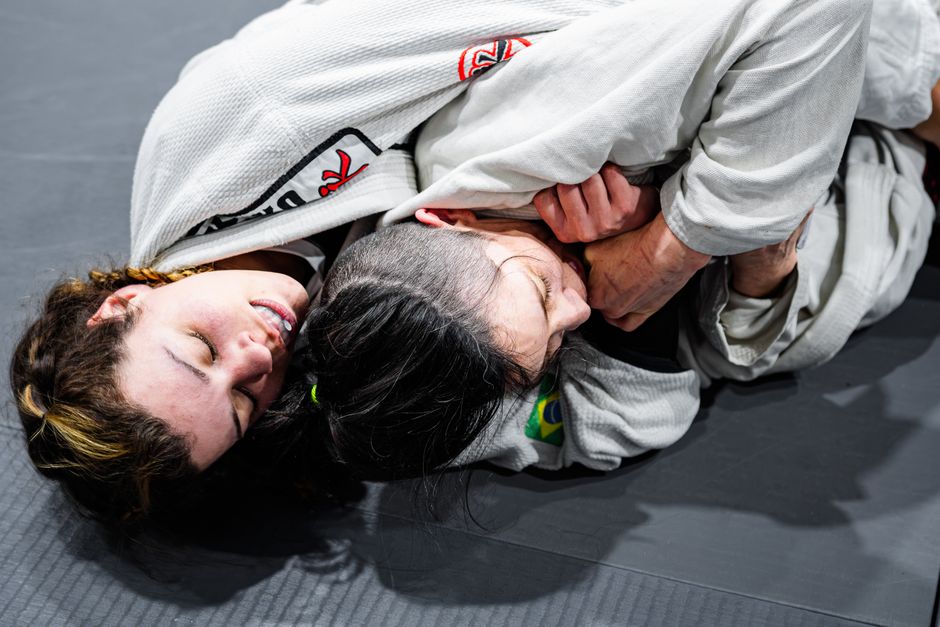
Is Bjj Good for Weight Loss
Brazilian Jiu-Jitsu burns serious calories, but it’s not the magic bullet some gyms make it out to be. The short answer is yes, BJJ can absolutely help you lose weight, but only when combined with a consistent diet and recovery plan. This article breaks down exactly how BJJ affects your body, what the research actually shows, and how to make it work for your weight loss goals.
Most weight loss advice focuses on running, lifting, or dieting alone. But BJJ is different. It’s a full-contact martial art that demands strength, endurance, and mental focus all at once. That combination makes it uniquely effective for burning calories while building lean muscle — and it’s far more engaging than staring at a treadmill screen for 30 minutes.
What most articles miss is the practical side. How many calories do you really burn in a class? How often should you train? What should you eat around training sessions? We’ll answer those questions with honest, evidence-based information so you can decide if BJJ fits your lifestyle.
Key Points at a Glance
| Factor | What It Means | Why It Matters |
|---|---|---|
| Calorie burn | Roughly 500–800 calories per hour of rolling | Helps create the calorie deficit needed for weight loss |
| Muscle building | Builds lean muscle through resistance and bodyweight work | Muscle raises your resting metabolism over time |
| Sustainability | High engagement keeps people coming back | Consistency beats intensity for long-term results |
| Injury risk | Joints and fingers take real wear and tear | Recovery days are essential to avoid setbacks |
| Diet requirement | You can’t out-train a poor diet | Nutrition drives the scale more than any workout |
How Many Calories Does BJJ Actually Burn?
Research on combat sports calorie expenditure is limited, but the numbers we do have are encouraging. A 185-pound person can burn roughly 500 to 800 calories per hour of active rolling, depending on intensity and body composition. Lighter people burn less; heavier people burn more. The exact number varies by class structure, your effort level, and how much time you spend drilling versus sparring.
Studies on similar grappling sports suggest that the metabolic demand is comparable to interval training. Your heart rate spikes during intense exchanges, then drops during slower technical work. This pattern is excellent for cardiovascular fitness and fat burning. I’ve trained with students who were shocked at how sore they were after their first week — that soreness is your body adapting to real physical work.
A 45-minute beginner class with lots of instruction and drilling might only burn 300–400 calories. A 60-minute advanced class with full sparring rounds can push past 800. The difference is massive, so be honest with yourself about how hard you’re actually working. Wear a heart rate monitor for a few sessions to get a realistic picture of your personal burn rate.
Is BJJ Good for Weight Loss Compared to Other Workouts?
BJJ holds up well against traditional cardio and strength training for weight loss. It combines aerobic and anaerobic work in a way that running or lifting alone rarely does. You’re constantly moving, resisting, and using your entire body against another person’s resistance. That full-body engagement builds functional strength while keeping your heart rate elevated.
What sets BJJ apart is the skill component. You’re learning something complex, which keeps your brain engaged in a way that makes the workout feel less like exercise. People who hate running often thrive in BJJ because they’re focused on technique, not the clock. That psychological factor matters more than most people realize for long-term adherence.
That said, BJJ is not better than other workouts for weight loss in any objective sense. The research consistently shows that the best exercise is the one you’ll actually do consistently. If you enjoy lifting weights or cycling, those will work just as well. BJJ’s advantage is purely in the engagement and community aspect, which helps many people stay consistent for years rather than months.
What to Eat Around Your BJJ Training Sessions
Training on an empty stomach is a common mistake. You need fuel to perform, and if you’re too depleted, you’ll have a low-energy session and feel miserable afterward. Eat a balanced meal with protein and carbohydrates two to three hours before class. Something like chicken and rice, or Greek yogurt with fruit, works well. If you train in the morning, a light snack like a banana with peanut butter 45 minutes before is enough.
After training, focus on protein to support muscle recovery. A shake, eggs, or a chicken wrap within two hours of finishing helps repair the muscle tissue you broke down during rolling. This doesn’t need to be complicated or expensive — just consistent. The post-training window matters, but not as dramatically as supplement companies claim.
Your overall daily calorie intake still drives weight loss. BJJ burns extra calories, but if you eat them back plus more, the scale won’t move. Track your food for two weeks to see where you actually are. Most people are surprised by how much they eat on training days — the appetite stimulation from intense exercise is real.
How Often Should You Train for Weight Loss?
Two to three sessions per week is the sweet spot for most beginners. This gives you enough training volume to see results while leaving time for recovery. Your joints, especially your fingers, neck, and knees, need time to adapt to the demands of grappling. Training four or five times a week right out of the gate often leads to injury and burnout.
Rest days are when your body actually changes. Muscle repairs, adaptations happen, and your metabolism recalibrates during recovery. Skipping rest days doesn’t make you tougher — it makes you slower and more injury-prone. One or two full rest days per week, plus light activity like walking on other days, is a sustainable pattern.
Consistency over months matters far more than intensity in any single week. Three sessions a week for six months will transform your body. Five sessions a week for three weeks, followed by a month off due to injury, will not. Build the habit first, then worry about increasing frequency.
Frequently Asked Questions
Related Articles
Is BJJ good for weight loss for women over 40?
Yes, BJJ works well for women over 40 because it builds muscle, which helps counter age-related metabolic slowdown. Beginners should start with two sessions per week and focus on technique over intensity to protect joints.
How long does it take to see weight loss results from BJJ?
Most people notice changes in body composition within 8 to 12 weeks of consistent training. The scale might not move much at first because you’re building muscle while losing fat, so track measurements and how your clothes fit instead.
Can BJJ alone help you lose weight without diet changes?
Technically yes, but only if you’re already eating reasonably well. Most people burn 500–800 calories per session, which can create a deficit, but poor eating habits will quickly erase that advantage. Diet is still the primary driver of weight loss.
Is BJJ too intense for beginners who are overweight?
No, most gyms welcome beginners of all fitness levels and offer fundamentals classes with lower intensity. You can pace yourself, tap early, and take breaks as needed. Talk to the instructor before your first class about your fitness level.
What should I wear to my first BJJ class?
Wear comfortable athletic clothing like a t-shirt and shorts without pockets or zippers. Most gyms have loaner gis for beginners, so you don’t need to buy one until you know you’ll stick with it. Bring water and flip-flops for the mat area.
How many calories does a 60-minute BJJ class burn?
A 60-minute BJJ class burns roughly 500 to 800 calories for an average-sized adult, depending on intensity and how much time is spent rolling versus drilling. Beginners burn less because they spend more time learning technique at a slower pace.
Ready to see how BJJ fits into your daily calorie needs? Use our free TDEE calculator to find your maintenance calories, then subtract 300–500 calories for weight loss. Track your training sessions and adjust from there.

The TDEECAL Team writes about nutrition, metabolism, and fat loss the way we built our calculator, with real numbers and no hype. We dig into the research so you don’t have to guess.