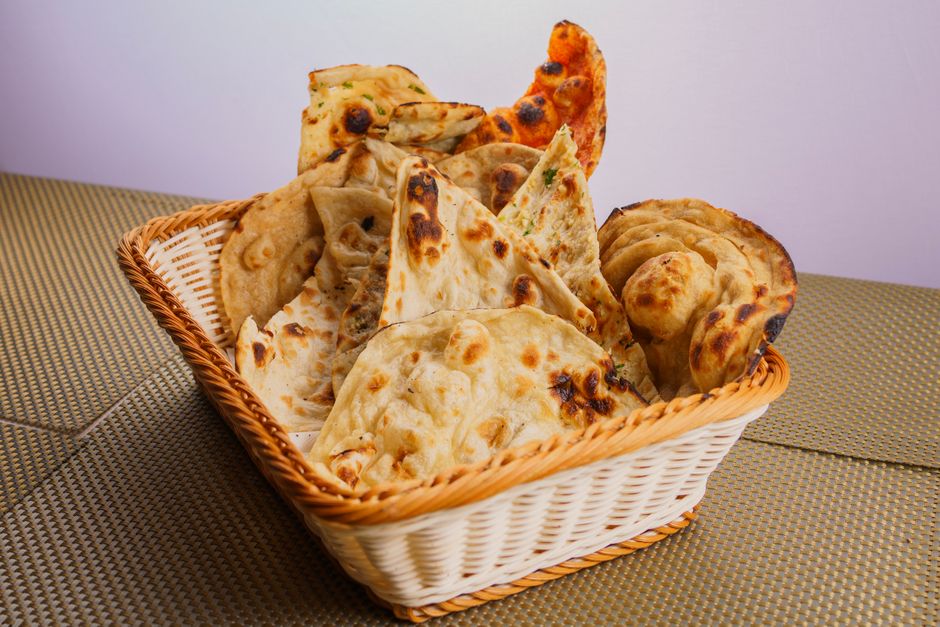
Why Your Roti Choice Matters More Than You Think
The flour you choose for your daily roti can quietly decide whether your weight loss efforts succeed or stall. Many women eat two to three rotis a day, so this single choice adds up fast. Swapping to a smarter flour is one of the simplest changes you can make without overhauling your whole diet.
Most generic advice tells you to “just eat whole wheat,” but that misses the real picture. Different flours affect your blood sugar, fullness, and digestion in very different ways. This article breaks down which flour roti is best for weight loss based on evidence, not hype.
You will learn the top flour options, how they compare on calories and fiber, and what to look for on packaging labels. You will also find practical swaps that fit real family meals without anyone complaining.
Key Points at a Glance
| Flour Type | Fiber per 100g | Why It Matters |
|---|---|---|
| Whole wheat (atta) | 12g | Good baseline choice, widely available |
| Besan (chickpea) | 10g | Higher protein, slower digestion |
| Jowar (sorghum) | 11g | Gluten-free, lower glycemic impact |
| Bajra (pearl millet) | 8g | Dense and filling, best in winter |
| Ragi (finger millet) | 11g | Rich in calcium, very filling |
Which Flour Roti is Best for Weight Loss According to Evidence
The honest answer is that no single flour works for everyone, but whole wheat roti remains the most reliable everyday choice for weight loss. Research consistently shows that whole grains like wheat support better weight management than refined grains. The fiber in whole wheat slows digestion and keeps you full longer than white flour rotis.
That said, several traditional Indian flours perform just as well or better in specific ways. Besan offers more protein per serving, which supports muscle retention during weight loss. Ragi has a lower glycemic index than wheat, meaning it causes a slower rise in blood sugar. The best approach is to rotate flours or mix them to get a broader range of nutrients.
Practical tip: Start with 100% whole wheat if you are new to this change. Once that feels normal, try mixing in besan or jowar gradually to avoid digestive discomfort.
How Do Different Roti Flours Compare on Calories?
Calorie differences between flours are smaller than most people expect. A standard 40-gram roti made from whole wheat contains roughly 120 to 130 calories. Besan, jowar, and bajra rotis land in a similar range, around 110 to 140 calories depending on preparation and thickness.
What changes more dramatically is how full you feel after eating. A bajra roti keeps most people satisfied longer than a white flour roti of the same calorie count. That satiety effect matters more for weight loss than the small calorie differences between flours.
I personally find that mixing half whole wheat with half besan makes a denser roti that holds up well in the tiffin box. It does not turn rubbery by lunchtime, which is a real advantage on busy days.
What About Glycemic Index and Blood Sugar?
Blood sugar control plays a central role in weight loss because stable blood sugar reduces cravings. Whole wheat has a moderate glycemic index around 55 to 70 depending on processing. Ragi and jowar generally score lower, which means they release sugar into your bloodstream more slowly.
Some studies suggest that millet-based flours like jowar and ragi may improve insulin sensitivity compared to refined wheat. However, the evidence is not strong enough to declare one flour the clear winner. What matters most is that you avoid refined white flour entirely, regardless of which whole grain you choose.
Pairing your roti with protein or vegetables at the same meal also blunts blood sugar spikes. A dal and roti meal will always beat a plain roti with pickle, no matter which flour you use.
How Should You Choose Roti Flour for Weight Loss?
Look for flours labeled as 100% whole grain with no added ingredients. Many commercial “multigrain” attas are mostly refined wheat with a sprinkle of other grains. Check the ingredient list and nutrition panel rather than trusting the front of the package.
Fiber content is your most reliable marker of quality. Aim for flours with at least 8 grams of fiber per 100 grams. Anything below that is likely more processed than it claims to be.
Your personal digestive tolerance also matters. Some women find millet flours heavy or constipating at first. Start with small portions and increase gradually while drinking plenty of water.
Frequently Asked Questions
Related Articles
Is whole wheat roti better than white flour roti for weight loss?
Yes, whole wheat roti is clearly better than white flour roti for weight loss. The fiber in whole wheat slows digestion and keeps you fuller for longer.
Can I eat roti every day while trying to lose weight?
Yes, you can eat roti daily as part of a balanced weight loss diet. The key is controlling portion size and choosing whole grain flours instead of refined ones.
Which flour has the lowest calories for roti?
No single flour has dramatically fewer calories than others. Most roti flours range from 110 to 140 calories per 40-gram roti, with small variations by brand and preparation.
Is besan roti good for weight loss?
Besan roti is a solid choice because it contains more protein than wheat flour. Higher protein helps preserve muscle and increases fullness during weight loss.
Should I mix different flours for better results?
Mixing flours can provide a wider range of nutrients and prevent boredom. A half whole wheat, half millet blend is a practical option that many women tolerate well.
How many rotis can I eat per day for weight loss?
Most women aiming for weight loss do well with two to three rotis per meal depending on total calorie needs. Use a calorie calculator to find your specific target rather than guessing.
Use the TDEE calculator to find your daily calorie target, then plan your roti portions around that number. This takes the guesswork out of portion control and helps you stay consistent.

The TDEECAL Team writes about nutrition, metabolism, and fat loss the way we built our calculator, with real numbers and no hype. We dig into the research so you don’t have to guess.