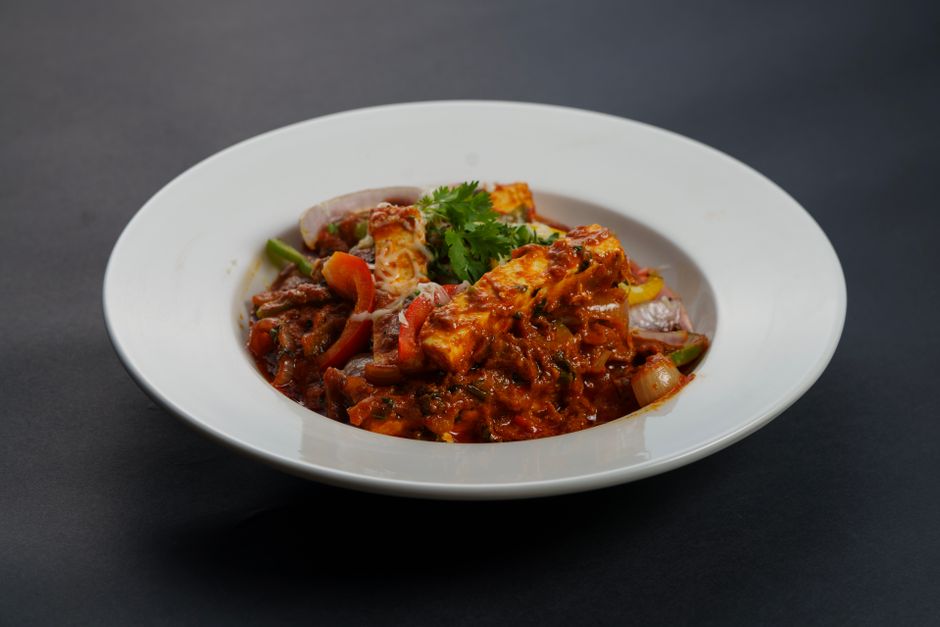
Can We Eat Paneer for Weight Loss? The Straight Answer
Paneer is one of the most debated foods in Indian kitchens, especially when weight loss is the goal. Some sources call it a diet disaster while others swear by it as a protein staple.
Yes, you can eat paneer for weight loss, but portion control and preparation method decide whether it helps or hurts your progress. A 100-gram serving of regular paneer contains roughly 260 to 300 calories and about 18 to 20 grams of protein, depending on the brand and how it’s made. The key is treating paneer as a protein source, not a snack food, and pairing it with vegetables rather than rich gravies.
Most generic advice misses one crucial detail: the fat content varies wildly between homemade, store-bought, and low-fat versions. This article breaks down exactly how to choose, portion, and cook paneer so it works for your calorie deficit instead of against it.
Key Points at a Glance
| Point | What It Means | Why It Matters |
|---|---|---|
| Protein content | 18-20g protein per 100g | Keeps you full longer and preserves muscle during weight loss |
| Calorie density | 260-300 calories per 100g | Easy to overeat if not measured properly |
| Fat content | 20-25g fat per 100g | High fat means portion size is critical |
| Preparation matters | Grilled or stir-fried beats creamy curries | Adds 100-200 extra calories depending on cooking method |
| Low-fat options | Low-fat paneer has roughly 180-200 calories | Better choice if you eat paneer daily |
How Many Calories Are in Paneer and Why It Matters
The calorie count in paneer is the first thing to understand before deciding if it fits your plan. Regular paneer made from whole milk contains about 260 to 300 calories per 100 grams, with roughly 20 to 25 grams of fat. Low-fat paneer, made from double-toned milk, drops to around 180 to 200 calories per 100 grams.
The problem is that most people eat paneer in dishes like palak paneer or mattar paneer, where the gravy alone adds significant calories. A single restaurant serving of paneer butter masala can easily exceed 500 calories before you add rice or naan.
Research consistently shows that high-protein foods help with satiety, meaning you feel full for longer after eating them. Paneer’s protein content works in your favor here, but only if you control the total calories in the meal.
Can We Eat Paneer for Weight Loss Without Sacrificing Taste?
The focus keyphrase question deserves a direct answer: can we eat paneer for weight loss without giving up flavor? Yes, but the cooking method matters more than most people realize.
Grilling or air-frying paneer with minimal oil keeps the calorie count close to its natural state. A simple tikka-style preparation with yogurt, spices, and a teaspoon of oil adds only 40 to 60 calories while delivering substantial flavor.
The mistake I see most often is pan-frying paneer in generous oil or butter before adding it to a dish. That single step can add 100 to 150 calories to what should be a moderate-protein meal.
How Much Paneer Should You Eat Per Day?
No established clinical guideline exists for paneer specifically, but general protein recommendations offer a useful framework. Most research suggests that adults aiming for weight loss benefit from 1.2 to 1.6 grams of protein per kilogram of body weight daily.
For a 70-kilogram woman, that translates to roughly 84 to 112 grams of protein per day. A 100-gram serving of paneer provides about 18 to 20 grams, which means one serving covers roughly 20 percent of your daily protein target.
The practical answer is that 50 to 100 grams of paneer per day fits comfortably into most weight loss plans. This portion provides 130 to 300 calories, leaving room for vegetables, whole grains, and other protein sources in your daily budget.
What Does the Evidence Say About Dairy and Weight Loss?
The evidence on dairy consumption and weight management is mixed, and it’s important to be honest about that. Some studies suggest that higher dairy intake supports fat loss, while others find no significant difference between dairy and non-dairy protein sources.
What research does consistently show is that replacing refined carbohydrates with protein from any source helps with weight management. Paneer’s advantage over many other proteins is its versatility and cultural familiarity, which makes it easier to stick with long-term.
Some research suggests that the calcium in dairy products may play a role in fat metabolism, though the effect appears modest. The strongest evidence remains that total calorie intake determines weight loss, not the specific source of your protein.
What Are the Best Ways to Cook Paneer for Weight Loss?
The preparation method makes the difference between a weight-loss-friendly meal and a calorie bomb. Here are the options ranked from best to worst for your goals.
Best: Grilled or air-fried paneer with spices and lemon juice. This keeps calories near the natural range of 260 to 300 per 100 grams.
Good: Stir-fried paneer with vegetables using one teaspoon of oil. The vegetables add volume and fiber, making the meal more filling for the same calorie count.
Use caution: Paneer in creamy gravies, butter-based sauces, or deep-fried preparations. These can easily double or triple the calorie content of the dish.
Worst: Paneer as a snack paired with sweet chutneys or fried bread. This combination turns a protein source into a high-calorie treat.
Frequently Asked Questions
Related Articles
Is paneer good for weight loss or weight gain?
Paneer can support weight loss when eaten in controlled portions because its protein content promotes fullness. It contributes to weight gain when eaten in large amounts or cooked with heavy oils and creamy sauces.
How much paneer can I eat daily for weight loss?
A daily serving of 50 to 100 grams of paneer fits well within most weight loss calorie budgets. This provides 130 to 300 calories and 9 to 20 grams of protein depending on the type.
Is low-fat paneer better than regular paneer for weight loss?
Low-fat paneer contains roughly 180 to 200 calories per 100 grams compared to 260 to 300 in regular paneer. It is a better choice if you eat paneer frequently, but regular paneer in small portions also works.
Can I eat paneer at night for weight loss?
Eating paneer at night is fine as long as it fits your daily calorie target. A small portion of grilled paneer with vegetables makes a satisfying dinner that may help prevent late-night snacking.
Does paneer cause belly fat?
No food specifically causes belly fat, and paneer is no exception. Excess calories from any source, including paneer, contribute to overall fat storage when you eat more than your body needs.
Is paneer better than chicken for weight loss?
Chicken breast is lower in calories and fat than paneer, making it more calorie-efficient per gram of protein. Paneer remains a good option for vegetarians or those who prefer variety in their protein sources.
To get your exact calorie target for weight loss, use our TDEE Calculator to determine your maintenance calories, then subtract 300 to 500 calories for a sustainable deficit. This gives you a precise number to work with when planning paneer portions.

The TDEECAL Team writes about nutrition, metabolism, and fat loss the way we built our calculator, with real numbers and no hype. We dig into the research so you don’t have to guess.