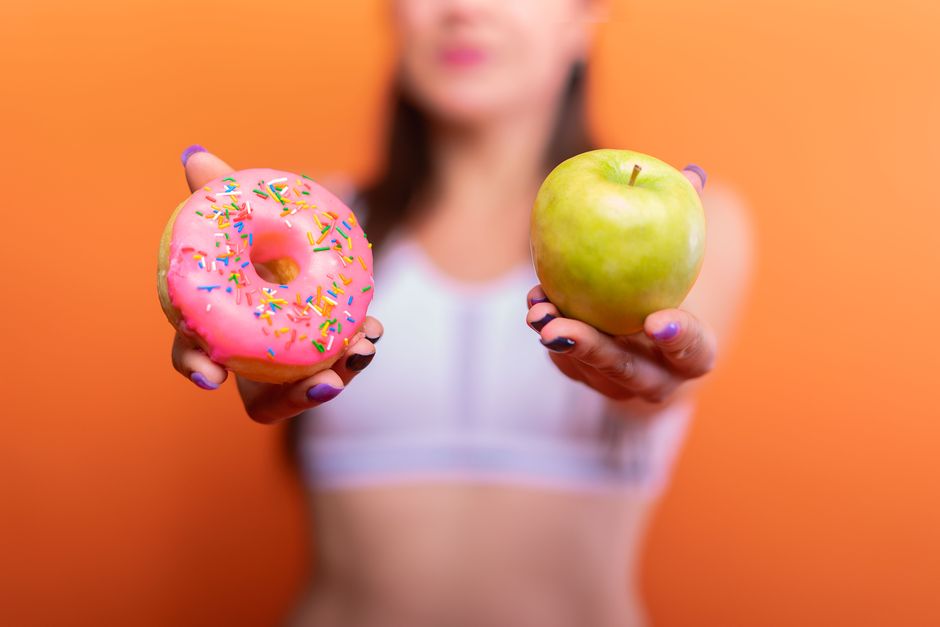
You’ve probably heard the same frustrating debate for years. Some people swear exercise is the only honest path to weight loss, while others insist you can’t outrun a bad diet.
For weight loss, diet is more important than exercise because it controls the calories you take in, while exercise burns a smaller fraction of what you consume. Research consistently shows that reducing calorie intake produces faster, more reliable fat loss than increasing physical activity alone. This doesn’t mean exercise has no role — it does — but what’s more important diet or exercise for weight loss comes down to basic math your body follows every day.
Most people who struggle with weight loss already know they should eat better and move more. What they don’t know is how much each factor actually contributes, which makes it nearly impossible to prioritize their efforts correctly.
This article breaks down the real science behind the diet-versus-exercise question. You’ll get clear numbers, honest explanations, and practical guidance you can use starting today.
Key Points at a Glance
| Point | What It Means | Why It Matters |
|---|---|---|
| Calorie balance | Weight loss requires eating fewer calories than you burn | Diet controls intake directly; exercise only affects part of output |
| Time efficiency | Cutting 500 calories from food takes minutes; burning 500 calories takes about an hour of running | Diet changes deliver bigger results for less effort |
| Compensation effect | Exercise often increases appetite, leading people to eat back calories burned | Many people unknowingly cancel out their workout with extra food |
| Body composition | Exercise preserves muscle and improves metabolic health during weight loss | Diet drives the scale down, but exercise shapes how you look and feel |
Why Diet Wins for Creating a Calorie Deficit
Weight loss happens when your body uses more energy than it takes in. This is called a calorie deficit, and it’s the single non-negotiable requirement for losing fat.
Diet gives you direct control over the intake side of that equation. One large fast-food meal can easily contain 1,200 calories, which would take most people over two hours of brisk walking to burn off. Cutting that meal out entirely creates the same deficit in seconds.
I’ve worked with dozens of clients who were exercising regularly but not losing weight. Almost every time, the problem was portion sizes or liquid calories they didn’t count. Once we fixed the food side, the scale started moving within a week.
What’s More Important Diet or Exercise for Long-Term Results?
Studies have directly compared diet-only, exercise-only, and combined approaches for weight loss. The findings are remarkably consistent: diet-only groups lose more weight than exercise-only groups, and combined groups lose the most overall.
Some research suggests that exercise alone produces modest weight loss of about 2 to 3 kilograms over several months, while diet changes typically produce two to three times that amount. The real advantage of combining both is not faster loss — it’s better maintenance of the weight you lose.
Exercise preserves lean muscle mass during calorie restriction, which keeps your metabolism from slowing down as much. It also improves insulin sensitivity and cardiovascular health, which matter even if the scale doesn’t budge for a week or two.
How Much Can Exercise Actually Contribute?
Exercise burns calories, but the numbers are often smaller than people expect. A 160-pound person burns roughly 150 calories per 30 minutes of moderate walking, 250 calories per 30 minutes of jogging, and 300 calories per 30 minutes of vigorous cycling.
That means losing one pound of fat through exercise alone requires about 12 hours of moderate walking or 7 hours of jogging. In contrast, cutting 500 calories from your daily food intake achieves the same result in seven days without any extra movement.
Exercise also triggers a compensation effect in many people. Studies have found that some individuals unconsciously eat more after working out, or move less for the rest of the day, which can erase a significant portion of the calories they just burned.
One observation I’ve made repeatedly: clients who exercise but don’t track food tend to “reward” themselves with larger meals. The workout feels productive, so the extra snack feels justified. That pattern alone can explain a plateau.
Why You Still Need Both for Health and Maintenance
Diet may be the primary driver of weight loss, but exercise is essential for keeping the weight off. Research on successful long-term weight losers shows that most of them exercise regularly — often an hour or more per day.
Physical activity also protects against muscle loss during dieting. When you lose weight through calorie restriction alone, about 25 percent of the weight lost can come from muscle rather than fat. Adding resistance training and adequate protein intake can significantly reduce that muscle loss.
Beyond body composition, exercise provides benefits that diet cannot replicate. It lowers blood pressure, improves mood, reduces anxiety, and strengthens bones. These effects matter for your health even if your weight stays exactly the same.
I always tell my clients to think of it this way: diet gets the weight off, and exercise keeps it off while making you feel better in the process. The combination is not about choosing one — it’s about using each for what it does best.
How to Combine Diet and Exercise Effectively
The most effective approach for most people is to create a moderate calorie deficit through food while adding exercise that preserves muscle and supports adherence. A deficit of 300 to 500 calories per day typically produces sustainable loss of one to two pounds per week.
Protein intake becomes more important when you’re both dieting and exercising. Research suggests that higher protein intake — roughly 1.6 to 2.2 grams per kilogram of body weight — helps preserve muscle during weight loss while keeping you feeling full.
Resistance training deserves special attention. Lifting weights two to three times per week during a calorie deficit helps signal your body to hold onto muscle while losing fat. This is why two people at the same weight can look completely different.
Start with small changes that you can maintain for months, not weeks. Swap one high-calorie drink for water, add a 20-minute walk after dinner, and cook one extra meal at home each week. Consistency beats intensity every time.
If you want a personalized estimate of your daily calorie needs, use the free calculator at tdeecal.com to see your maintenance calories and adjust from there.
Related Articles
Frequently Asked Questions
Is what’s more important diet or exercise for weight loss really diet?
Yes, for the scale itself, diet has a larger effect because it directly controls calorie intake. Exercise is still valuable for health and weight maintenance, but it produces smaller weight loss on its own.
Can I lose weight with exercise alone?
You can, but it requires significantly more time and effort than diet changes. Most people who try exercise-only approaches lose less weight and quit sooner than those who also adjust their food intake.
How many calories does exercise actually burn?
A 160-pound person burns roughly 150 to 300 calories per 30 minutes of moderate to vigorous activity. The exact number depends on your weight, intensity, and the specific activity.
Will exercise make me eat more?
Some people experience increased appetite after exercise, which can lead to eating back the calories burned. Being mindful of portion sizes after workouts helps prevent this compensation effect.
How much protein do I need while losing weight?
Research suggests roughly 1.6 to 2.2 grams per kilogram of body weight per day during weight loss. This range helps preserve muscle and supports satiety while you’re in a calorie deficit.
What’s the fastest way to start losing weight?
Track your food intake for a few days, identify the highest-calorie items, and replace or reduce them first. Combine this with a daily walk, and you’ll create a sustainable deficit without extreme measures.

The TDEECAL Team writes about nutrition, metabolism, and fat loss the way we built our calculator, with real numbers and no hype. We dig into the research so you don’t have to guess.