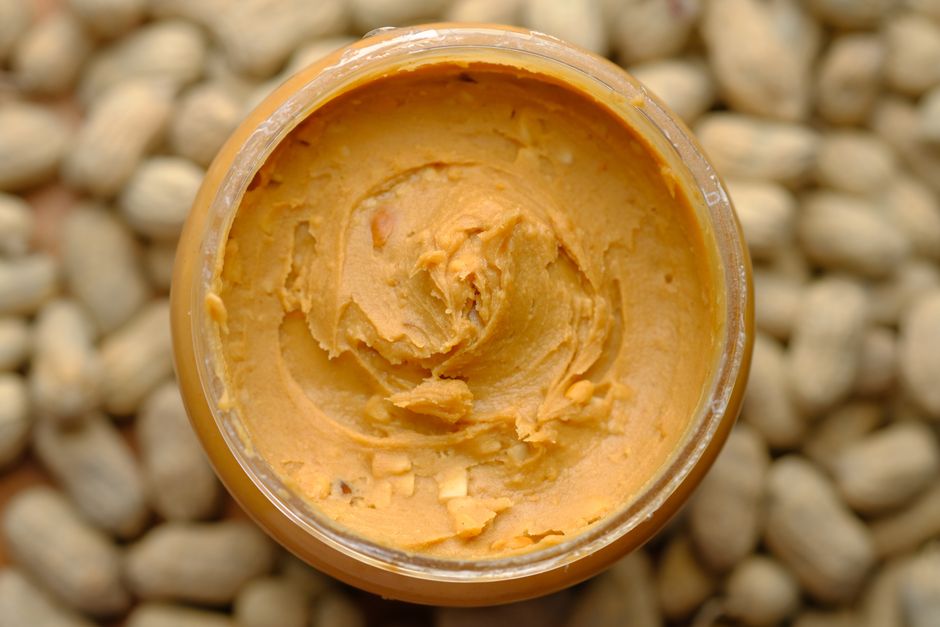
Walking down the peanut butter aisle can feel overwhelming with so many options claiming to be healthy. The truth is that most commercial peanut butters contain added sugar, palm oil, and salt that work against your weight loss goals.
The healthiest peanut butter for weight loss is one with a single ingredient: peanuts. No added sugar, no palm oil, no salt — just peanuts that have been ground into a spread. This type of peanut butter delivers protein and healthy fats that keep you full longer, which helps you eat fewer calories overall.
Many people assume all peanut butter is the same, but the differences matter more than you might think. Added oils change the fat profile, while sugar adds empty calories that can stall your progress. This article breaks down what to look for on the label, how much to eat, and which brands actually deliver on their promises.
You will also learn why natural peanut butter separates in the jar and why that is actually a good sign. By the end, you will know exactly what to grab next time you shop.
Key Points at a Glance
| Point | What It Means | Why It Matters |
|---|---|---|
| Single ingredient | Only peanuts listed on the label | No hidden sugar or oils that add calories |
| Natural separation | Oil rises to the top of the jar | Confirms no palm oil was added to prevent separation |
| Protein content | About 7-8 grams per 2 tablespoon serving | Helps with satiety and muscle maintenance |
| No added sugar | Zero grams of sugar on the nutrition label | Prevents blood sugar spikes that trigger cravings |
| Serving control | 2 tablespoons max per serving | Peanut butter is calorie-dense at roughly 190 calories per serving |
What Makes One Peanut Butter Healthier Than Another?
The ingredient list tells you everything you need to know. A healthy peanut butter contains peanuts and nothing else. Some brands add a pinch of salt, which is fine, but sugar and hydrogenated oils are red flags.
Hydrogenated oils contain trans fats that raise bad cholesterol. Palm oil, while not as harmful, adds saturated fat and calories without any nutritional benefit. Sugar, even in small amounts, adds empty calories that accumulate quickly when you eat peanut butter regularly.
I always flip the jar around and read the ingredients before buying. If I see more than two items listed, I put it back on the shelf.
Is What is the Healthiest Peanut Butter for Weight Loss Actually Good for You?
Yes, but portion control is everything. Peanut butter is calorie-dense, with roughly 190 calories in a 2-tablespoon serving. That same serving delivers about 7 grams of protein and 16 grams of fat, mostly monounsaturated, which research consistently shows supports heart health.
Studies have found that people who eat nuts and peanut butter tend to have healthier body weights over time. The combination of protein, fiber, and fat slows digestion and keeps hunger at bay for hours. That satiety effect makes it easier to stick to a calorie deficit without feeling deprived.
One thing I have learned from years of tracking my own meals: measure the serving. A heaping spoonful can easily turn into three or four servings without you noticing.
How Much Peanut Butter Should You Eat for Weight Loss?
A single serving of 2 tablespoons is the right amount for most people trying to lose weight. That gives you the nutritional benefits without blowing your daily calorie budget. Some people do fine with 1 tablespoon if they are pairing it with other calorie-dense foods like bananas or bread.
Eating peanut butter daily is fine as long as it fits within your total calorie intake. The key is accounting for those 190 calories somewhere in your day. If you are unsure how many calories you need, a TDEE calculator can give you a personalized starting point based on your age, height, weight, and activity level.
What About Natural Versus Regular Peanut Butter?
Natural peanut butter is the healthier choice, but it requires a bit more effort. Because it contains only peanuts, the oil separates and floats to the top. You have to stir it well before each use, and some people find this inconvenient.
Regular peanut butter stays creamy because manufacturers add palm oil and sometimes hydrogenated oils to keep it stable. Those additions add saturated fat and calories without improving nutrition. The trade-off is not worth it when you are trying to lose weight.
I keep my natural peanut butter jar upside down in the pantry. That simple trick makes the oil redistribute faster so stirring takes less than a minute.
Which Brands Offer the Healthiest Peanut Butter?
Several mainstream brands now offer single-ingredient peanut butter. Smucker’s Natural, Adams, and Crazy Richard’s all sell peanut butter made with only peanuts. Store brands from Whole Foods, Trader Joe’s, and Costco also carry simple options at lower prices.
Powdered peanut butter is another option worth considering. It has about 45 calories per 2-tablespoon serving because most of the fat is removed. The downside is that it lacks the satiety benefit of full-fat peanut butter, so you may feel hungry sooner.
When I recommend a brand, I focus on the label rather than the name. If peanuts are the only ingredient, the brand does not matter much. Price and taste should guide your final decision.
Does Peanut Butter Help You Lose Belly Fat Specifically?
No food targets belly fat specifically, and anyone who claims otherwise is overselling. Weight loss happens across your whole body when you maintain a calorie deficit. What peanut butter can do is help you stay in that deficit by keeping you full and satisfied.
The protein in peanut butter also supports muscle maintenance during weight loss. More muscle means a slightly higher metabolic rate, which makes it easier to keep weight off long term. That is a real benefit, but it is not the same as spot reduction.
Related Articles
Frequently Asked Questions
Is peanut butter good for weight loss?
Yes, when eaten in controlled portions. The protein and healthy fats keep you full, which helps you consume fewer calories overall.
How many calories are in a serving of peanut butter?
A standard 2-tablespoon serving has roughly 190 calories. The exact number varies slightly by brand and whether salt or other ingredients are added.
Should I choose creamy or crunchy peanut butter?
Both are equally healthy as long as peanuts are the only ingredient. Choose whichever texture you enjoy more, since you are more likely to stick with it.
Is powdered peanut butter better than regular for weight loss?
Powdered peanut butter has fewer calories but also less fat and less satiety. Regular peanut butter in controlled portions is more satisfying and helps prevent overeating later.
Can I eat peanut butter every day while losing weight?
Yes, if it fits within your daily calorie target. One serving of 2 tablespoons is a reasonable daily amount for most people.
Does peanut butter need to be refrigerated after opening?
Natural peanut butter lasts longer in the refrigerator but can be stored in a cool pantry. Stir it well before each use regardless of where you store it.
Choosing the right peanut butter comes down to reading labels and controlling portions. A single-ingredient jar gives you all the nutritional benefits without hidden additives. Pair that with a sensible calorie target, and peanut butter can be a helpful part of your weight loss plan.

The TDEECAL Team writes about nutrition, metabolism, and fat loss the way we built our calculator, with real numbers and no hype. We dig into the research so you don’t have to guess.