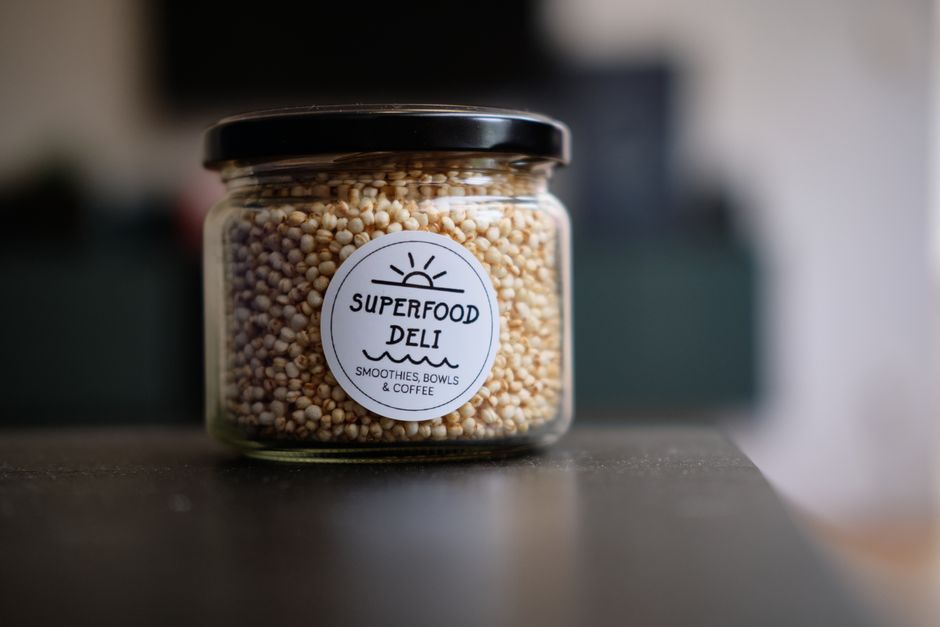
Quinoa sits in most grocery stores between the rice and the pasta, and it is easy to assume it belongs in the same carbohydrate family. But the way your body processes it is different from white rice, and that difference matters when you are counting calories and watching portions. The short answer is that quinoa is a seed that cooks and eats like a grain, and it has specific properties that make it a useful food for weight loss.
Is quinoa a grain for weight loss? Yes, quinoa is a seed that is prepared and eaten like a grain, and its high protein and fiber content make it a solid choice for a weight loss diet. It keeps you full longer than refined white rice and provides more nutrients per calorie. This makes it easier to stick to a calorie deficit without feeling hungry all the time.
Most weight loss advice focuses on cutting calories, but the type of carbohydrate you choose affects how hungry you feel an hour after eating. Quinoa is one of the few plant foods that contains all nine essential amino acids, which is rare outside of animal products. This article explains how quinoa compares to other common carbs, how much you should actually eat, and what the research says about its role in weight management.
Key Points at a Glance
| Point | What It Means | Why It Matters |
|---|---|---|
| Quinoa is a seed, not a true grain | It comes from a plant related to spinach, not wheat or rice | It is naturally gluten-free and has a different nutrient profile than cereal grains |
| High protein content | About 8 grams of protein per cooked cup | Protein increases fullness and helps preserve muscle during weight loss |
| High fiber content | About 5 grams of fiber per cooked cup | Fiber slows digestion and reduces appetite between meals |
| Lower glycemic index than white rice | It raises blood sugar more slowly | Steadier blood sugar means fewer cravings and less energy crashing |
| Calorie density is moderate | Roughly 220 calories per cooked cup | Portion control still matters, but you get more nutrients per calorie than refined grains |
What Makes Quinoa Different From Other Grains?
Quinoa is technically a pseudocereal, which means it is not a true grain but is used in cooking the same way. The seeds come from the Chenopodium quinoa plant, which is native to the Andes region of South America. True grains like wheat, rice, and oats come from grasses, but quinoa comes from a broadleaf plant.
This botanical difference matters because quinoa has a better amino acid profile than most true grains. A cooked cup of quinoa provides roughly 8 grams of protein and 5 grams of fiber, while the same amount of white rice gives you about 4 grams of protein and less than 1 gram of fiber. I always rinse quinoa before cooking it — the natural coating called saponin tastes bitter and soapy if you skip this step.
Is Quinoa a Grain for Weight Loss? Here Is What the Evidence Says
Research published in the Journal of Cereal Science has examined quinoa’s role in blood sugar control and satiety. Some studies indicate that the protein and fiber combination in quinoa slows stomach emptying, which keeps you feeling full for a longer period after eating. This is the key mechanism that makes it different from refined carbohydrates.
The evidence is not dramatic — quinoa is not a miracle food that burns fat on its own. But studies consistently show that replacing refined grains with higher-protein, higher-fiber alternatives like quinoa supports weight loss efforts because it reduces overall calorie intake at the next meal. One specific observation from my own kitchen: a bowl of quinoa with vegetables keeps me satisfied for about four hours, while the same portion of white rice leaves me hungry in two.
Practical tip: Swap half of your usual rice portion for quinoa to start. This gives you the texture you are used to while adding protein and fiber without a drastic change in taste.
How Many Calories Are in Quinoa and How Much Should You Eat?
A cooked cup of quinoa contains roughly 220 calories, which is similar to brown rice and slightly more than white rice by volume. The difference is that quinoa expands more when cooked, so a dry quarter-cup serving becomes about one cup of cooked quinoa. This means you get a larger volume of food for a similar calorie cost.
For weight loss, a reasonable portion is one cooked cup per meal, which provides about 8 grams of protein and 5 grams of fiber. This fits comfortably into most calorie targets without requiring special measuring tools. I use a standard measuring cup and cook a big batch on Sunday — it keeps for five days in the fridge and makes weekday lunches effortless.
Portion guide: A quarter-cup of dry quinoa cooks into one full cup. If you are tracking calories, weigh or measure the dry amount before cooking to stay accurate.
Does Quinoa Help With Belly Fat or Metabolism?
No food specifically targets belly fat, and quinoa is no exception. Fat loss happens when you maintain a calorie deficit, regardless of which foods you eat. What quinoa does do is make that deficit easier to maintain because it reduces hunger and provides steady energy.
Some research suggests that quinoa’s saponins and other plant compounds may have anti-inflammatory effects, but these findings are preliminary and come mostly from animal studies. The practical takeaway is that quinoa is a healthy carbohydrate choice, not a fat-burning supplement. The evidence for direct metabolic enhancement in humans is limited.
Quinoa vs. Other Grains for Weight Loss
Here is a quick comparison of quinoa to other common carbohydrate sources based on a one-cup cooked serving:
- White rice: About 205 calories, 4 grams protein, less than 1 gram fiber
- Brown rice: About 215 calories, 5 grams protein, 3.5 grams fiber
- Quinoa: About 220 calories, 8 grams protein, 5 grams fiber
- Oats (cooked): About 150 calories, 5 grams protein, 4 grams fiber
Quinoa is not the lowest-calorie option, but it offers the most protein and fiber per cup. This makes it the most filling choice per calorie, which is the practical metric that matters for weight loss. I personally rotate between quinoa, brown rice, and oats depending on the meal — quinoa wins for salads and bowls, while oats work better for breakfast.
Common Mistakes to Avoid When Eating Quinoa for Weight Loss
The biggest mistake is treating quinoa as a free food because it is healthy. A cup of quinoa has about 220 calories, and eating three cups with a heavy dressing or sauce can easily add 700-plus calories to a meal. The quinoa itself is not the problem — the additions are.
Another mistake is skipping the rinse step. Unrinsed quinoa tastes bitter, and people often add extra salt or sauce to mask the flavor, which adds calories and sodium. Rinse it in a fine-mesh strainer for about 30 seconds before cooking. Also, pay attention to portion size when eating out — restaurant quinoa bowls often contain two to three times a standard serving.
Related Articles
Frequently Asked Questions
Is quinoa a grain or a seed?
Quinoa is a seed from a broadleaf plant, not a true grain from a grass. It is classified as a pseudocereal because it is cooked and eaten like a grain.
Is quinoa good for weight loss?
Yes, quinoa supports weight loss because its protein and fiber content increases fullness and reduces overall calorie intake. It is not a fat-burning food, but it makes a calorie deficit easier to maintain.
How many calories are in a cup of cooked quinoa?
A cooked cup of quinoa contains roughly 220 calories, depending on how it is prepared. This is similar to brown rice but with more protein and fiber.
Can you eat quinoa every day while losing weight?
Yes, quinoa can be eaten daily as part of a balanced diet. One cooked cup per meal fits into most weight loss calorie targets without issue.
Does quinoa spike blood sugar?
Quinoa has a lower glycemic index than white rice, meaning it raises blood sugar more slowly. This helps reduce cravings and energy crashes after meals.
Is quinoa better than rice for weight loss?
Quinoa is generally better than white rice for weight loss because it provides more protein and fiber per calorie. Brown rice is a closer competitor but still has less protein.
To track your personal calorie needs and see how quinoa fits into your daily targets, use the TDEE Calculator to calculate your maintenance calories and create a sustainable deficit.

The TDEECAL Team writes about nutrition, metabolism, and fat loss the way we built our calculator, with real numbers and no hype. We dig into the research so you don’t have to guess.