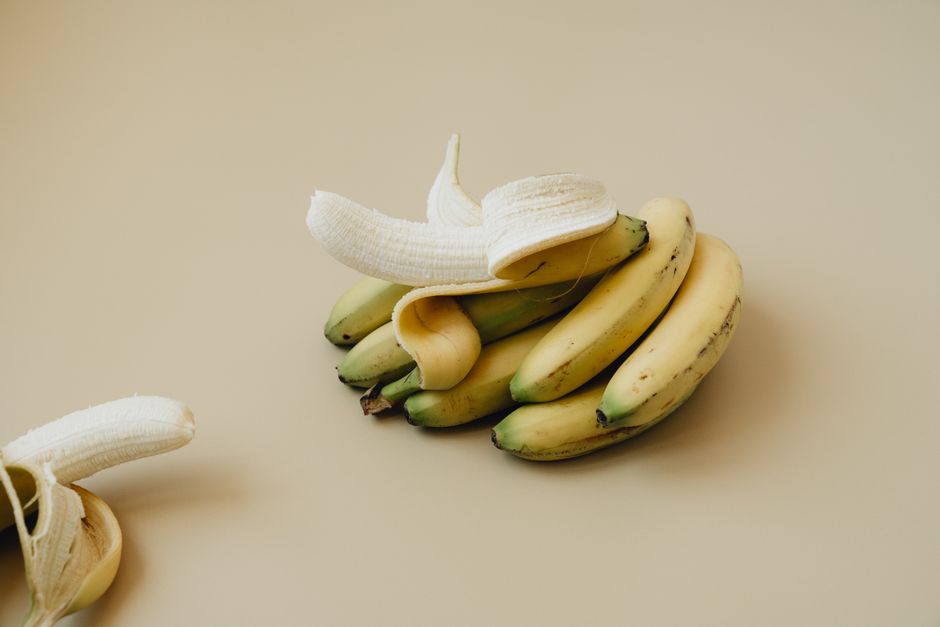
Bananas are the most common fruit in American kitchens, and they are also the most misunderstood when it comes to weight loss.
No, is a banana bad for weight loss is a myth. Bananas are not bad for weight loss. They are a healthy, filling fruit that supports weight management when eaten in sensible portions. A medium banana has about 105 calories, 3 grams of fiber, and natural sugars that provide steady energy. The real issue is not the banana itself, but how it fits into your total daily calorie intake.
Many women over 40 tell me they cut out bananas because someone said they were “too sugary.” That advice is not backed by nutrition science. This article explains what the evidence actually says about bananas and weight loss, how to eat them without stalling progress, and why the glycemic index fear is mostly overblown.
Key Points at a Glance
| Point | What It Means | Why It Matters |
|---|---|---|
| Calorie content | Medium banana = ~105 calories | Easy to fit into any calorie budget |
| Fiber | 3 grams per medium banana | Helps you feel full longer |
| Glycemic index | Moderate, not high | Does not spike blood sugar the way people fear |
| Portion control | One banana is a serving | Problems come from adding peanut butter, chocolate, or smoothie overload |
| Weight loss verdict | Bananas support weight loss | No study shows bananas cause weight gain |
What the Research Actually Says About Bananas and Weight Loss
Research consistently shows that fruit intake is linked to lower body weight, not higher. A 2015 study published in PLOS Medicine found that increasing fruit consumption was associated with modest weight loss over time. Bananas specifically have never been singled out as a weight-gain food in any major study.
Bananas contain resistant starch when they are slightly green. Resistant starch acts like fiber, feeding gut bacteria and increasing fullness. Riper bananas have more simple sugars, but the difference is small enough that it rarely matters for weight loss.
How Many Calories Are in a Banana?
A medium banana (about 118 grams) contains roughly 105 calories, 27 grams of carbohydrates, 14 grams of natural sugar, and 3 grams of fiber. A large banana can reach 120–135 calories depending on size. These numbers come from USDA food composition data.
The calorie difference between a small and large banana is about 30 calories. That is not enough to derail weight loss. What derails weight loss is adding two tablespoons of peanut butter (190 calories) or blending bananas into a smoothie with juice and honey, which can push a drink past 500 calories.
Is a Banana Bad for Blood Sugar and Insulin?
Bananas have a glycemic index of about 51, which is considered low to moderate. Glycemic load, which accounts for portion size, is even more favorable. A medium banana has a glycemic load of about 13, which is moderate and generally fine for healthy adults.
Some research suggests that eating fruit, including bananas, is associated with lower risk of type 2 diabetes, not higher. The fiber in bananas slows sugar absorption, preventing the sharp spikes that processed sweets cause. If you have diabetes, pair a banana with a protein source like Greek yogurt or nuts to further blunt the blood sugar response.
How to Eat Bananas for Weight Loss Without Stalling Progress
The key is portion awareness, not elimination. One banana counts as one serving of fruit, and most dietary guidelines recommend 1.5 to 2 cups of fruit per day for adult women. That means one banana plus one other fruit serving fits comfortably within recommendations.
Be honest about what you add to the banana. A plain banana is a low-calorie snack. A banana sliced over oatmeal with honey, granola, and almond butter is a different story. Track the extras, not the banana itself.
If you struggle with portion control, try eating half a banana with a tablespoon of almond butter. You get the sweetness and the fullness without the calorie load of a full banana plus toppings.
Frequently Asked Questions
Related Articles
Is a banana bad for weight loss at night?
No, eating a banana at night does not cause weight gain. Weight loss depends on total daily calories, not the time of day you eat.
How many bananas can I eat a day while losing weight?
One to two bananas per day fits within standard fruit recommendations. More than that may push your carbohydrate intake higher than needed.
Are green or ripe bananas better for weight loss?
Green bananas have more resistant starch, which may increase fullness slightly. Ripe bananas taste sweeter but have nearly the same calorie count.
Does the sugar in bananas count against my daily sugar limit?
Natural sugar in whole fruit is not the same as added sugar. The fiber in bananas changes how your body processes the sugar, so it does not cause the same metabolic problems as soda or candy.
Can eating bananas make me bloated?
Some people feel bloated after bananas because of the fiber and natural sugars. This is usually temporary and not a sign that bananas are bad for you.
Should I avoid bananas if I have insulin resistance?
Most people with insulin resistance can eat bananas in moderation. Pairing a banana with protein or fat helps slow sugar absorption and reduces blood sugar spikes.
Calculate your daily calorie needs with the TDEE Calculator to see exactly how bananas fit into your weight loss plan.

The TDEECAL Team writes about nutrition, metabolism, and fat loss the way we built our calculator, with real numbers and no hype. We dig into the research so you don’t have to guess.