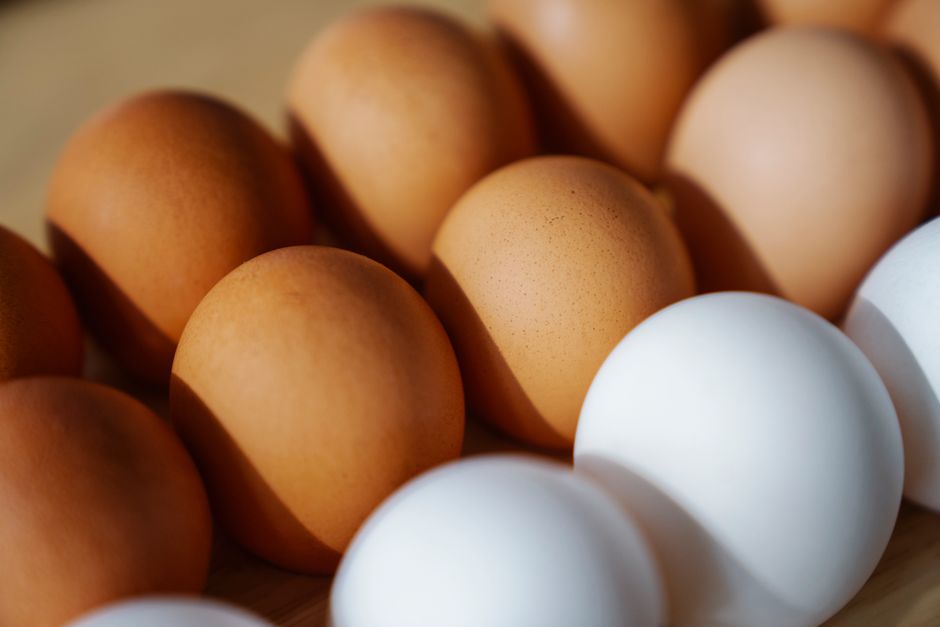
Are Whole Eggs Good for Weight Loss? The Straight Answer
Most people who want to lose weight have been told to toss the yolk and eat only the whites. That advice is outdated. Whole eggs are one of the most nutrient-dense foods you can eat, and they can absolutely fit into a weight loss plan.
So, are whole eggs good for weight loss? Yes. Research consistently shows that eggs are a high-protein, low-calorie food that increases fullness and helps you eat less later in the day. A single large egg contains about 70-80 calories and 6 grams of protein, making it one of the most efficient foods for managing hunger while cutting calories.
The confusion usually comes from the cholesterol in yolks. But decades of research have largely cleared eggs of the heart disease blame they once carried. For most healthy people, the cholesterol you eat has a small effect on the cholesterol in your blood. The bigger driver is saturated fat, and eggs are relatively low in it.
This article covers what the evidence actually says about eggs and weight loss, how many you can eat, and the best ways to prepare them. You will also learn why the yolk matters and how eggs compare to other breakfast staples.
Key Points at a Glance
| Point | What It Means | Why It Matters |
|---|---|---|
| High protein content | One large egg has about 6 grams of protein | Protein is the most filling macronutrient, reducing overall calorie intake |
| Low calorie density | Roughly 70-80 calories per large egg | You can eat a satisfying portion without blowing your daily calorie budget |
| Yolk nutrients | The yolk contains most of the vitamins and minerals | Skipping the yolk means missing out on choline, vitamin D, and B12 |
| Satiety effect | Eggs score high on the satiety index | Feeling full longer makes it easier to stick to a calorie deficit |
| Versatility | Boiled, scrambled, poached, or baked | Easy to rotate into any meal plan without getting bored |
How Do Eggs Help With Weight Loss?
The main way eggs support weight loss is through satiety. Protein takes more energy to digest than carbohydrates or fat, and it triggers hormones that signal fullness to your brain. Studies have found that people who eat eggs for breakfast report feeling fuller and consume fewer calories at their next meal compared to those who eat a bagel or cereal with the same calorie count.
One specific study divided participants into two groups. One group ate eggs for breakfast, the other ate a bagel. Both meals had the same calories and weight. The egg group ate significantly less at lunch and for the rest of the day.
My own observation after years of writing about nutrition: clients who start their day with protein, whether eggs or Greek yogurt, rarely complain about mid-morning cravings. The ones who eat toast or cereal are usually hungry by 10 a.m.
Are Whole Eggs Good for Your Heart?
The fear around eggs comes from their cholesterol content. One large egg has about 186 milligrams of cholesterol, all of it in the yolk. For decades, health guidelines recommended limiting eggs because of this.
But the picture has changed. Most research now shows that dietary cholesterol has a modest effect on blood cholesterol for most people. The real culprit for high blood cholesterol is saturated fat, not the cholesterol you eat. Eggs contain about 1.6 grams of saturated fat, which is low.
Some studies suggest that eating up to one egg per day does not increase the risk of heart disease in healthy people. For people with diabetes or existing heart conditions, the evidence is more mixed, and it is worth talking to your doctor about what is right for you.
How Many Eggs Can You Eat Per Day?
For weight loss, two to three eggs per day is a reasonable target for most people. That gives you 12 to 18 grams of protein for roughly 150 to 240 calories. Add vegetables and you have a filling meal that supports a calorie deficit.
There is no established upper limit for egg consumption in healthy people. Some research has looked at people eating up to three eggs daily for months with no negative effects on heart health markers.
The bigger issue is what you eat with the eggs. A fried egg with bacon and butter-soaked toast is not the same as boiled eggs with spinach and avocado. The cooking method and side dishes matter more than the eggs themselves.
My honest take: I have seen people eat four or five eggs a day and lose weight steadily. The eggs were never the problem. The problem was the biscuits, gravy, and processed meats that came with them.
Do You Need to Eat the Yolk?
The yolk is where most of the nutrition lives. It contains choline, which supports brain function, along with vitamin D, vitamin B12, and iron. The white is mostly protein and water.
Skipping the yolk to save about 55 calories might help you hit a smaller calorie target, but you lose valuable nutrients. For most people, eating the whole egg is the better trade-off.
One large egg with the yolk has about 6 grams of protein. The white alone has about 3.5 grams. If you eat two whole eggs, you get 12 grams of protein. If you eat four whites, you get 14 grams but miss out on the nutrients in the yolks.
What Is the Best Way to Cook Eggs for Weight Loss?
Boiled and poached eggs are the lowest calorie options because they need no added fat. A boiled egg is roughly 70-80 calories. Scrambled eggs with a teaspoon of butter add about 35 calories. Fried eggs with oil add similar amounts.
The cooking method matters less than the total meal. Two boiled eggs with a handful of spinach and a slice of whole grain toast is a balanced meal. Two fried eggs with home fries and sausage is not.
I always tell people to keep it simple. Boil a batch of eggs on Sunday and keep them in the fridge. They are ready for a quick breakfast or snack all week. This habit removes the decision fatigue that leads to poor choices.
How Do Eggs Compare to Other Breakfast Foods?
Eggs outperform most common breakfast foods on the satiety index. This index measures how full a food makes you feel relative to its calorie content. Eggs score high, while white bread and pastries score low.
A typical breakfast of cereal with milk has about 200 calories and 6 grams of protein. Two eggs have similar calories and 12 grams of protein. The eggs will keep you fuller for longer.
Some research suggests that a high-protein breakfast reduces cravings for sweet and savory foods later in the day. This effect is not unique to eggs, but eggs are one of the cheapest and easiest high-protein options available.
Frequently Asked Questions
Related Articles
Are whole eggs good for weight loss even if I eat them every day?
Yes, most healthy people can eat eggs daily without issues. The key is keeping the rest of your diet in a calorie deficit.
How many calories are in a whole egg?
A large whole egg has roughly 70 to 80 calories, depending on its size. The yolk accounts for about 55 of those calories.
Can I eat eggs at night and still lose weight?
Yes, the time of day you eat eggs does not directly affect weight loss. What matters is your total calorie intake across the whole day.
Do eggs increase cholesterol levels?
For most people, eggs have a small effect on blood cholesterol. Saturated fat from other foods is a bigger concern.
Is it better to eat egg whites or whole eggs for weight loss?
Whole eggs are better because the yolk contains most of the nutrients. The calorie difference is small, about 55 calories per egg.
How many eggs can I eat in a day for weight loss?
Two to three eggs per day is a reasonable target for most people. This provides 12 to 18 grams of protein for under 250 calories.
Use our TDEE Calculator to find your daily calorie target, then plan your egg meals around that number.

The TDEECAL Team writes about nutrition, metabolism, and fat loss the way we built our calculator, with real numbers and no hype. We dig into the research so you don’t have to guess.