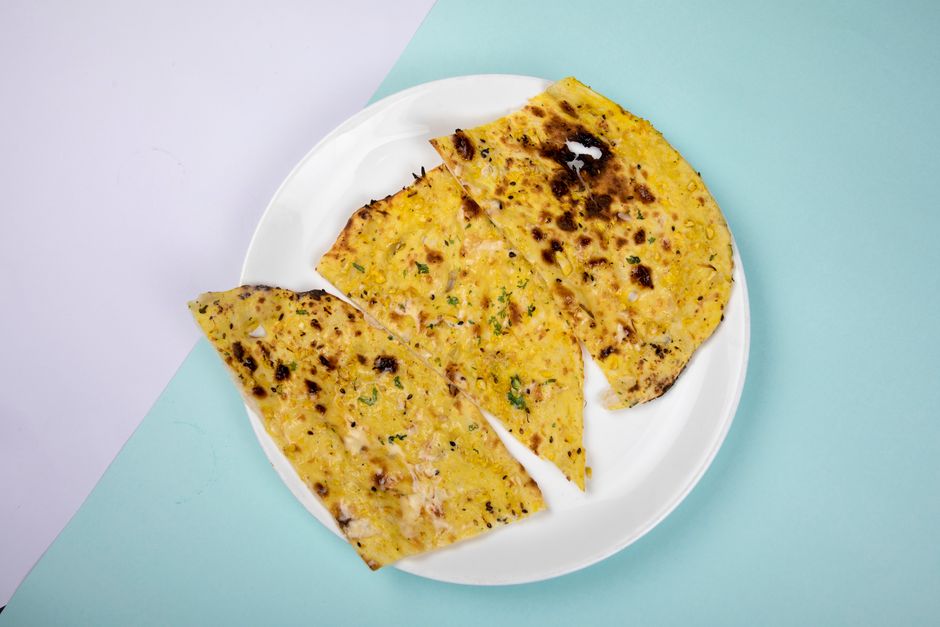
Methi paratha shows up on Indian breakfast tables across the country, but many women wonder if this flaky flatbread fits into a weight loss plan. The answer depends less on the paratha itself and more on how it is made and what you eat alongside it.
Is methi paratha good for weight loss? Yes, methi paratha can be good for weight loss when made with minimal oil and whole wheat flour, because fenugreek leaves add fiber and help with blood sugar control. A single medium-sized methi paratha made with one teaspoon of oil contains roughly 150 to 180 calories. The key is portion control and avoiding the ghee-laden restaurant versions.
Most weight loss advice treats all flatbreads the same, but methi paratha deserves a closer look. The bitter fenugreek leaves are not just for flavor — they bring genuine nutritional benefits that most plain parathas lack.
This article breaks down the actual calorie content, the role of fenugreek in blood sugar management, and practical ways to make methi paratha work for your goals. You will also learn which cooking methods keep this breakfast food on your side.
Key Points at a Glance
| Point | What It Means | Why It Matters |
|---|---|---|
| Calorie content | 150–180 calories per medium paratha with 1 tsp oil | Fits easily into a 1,400–1,600 calorie daily target |
| Fiber from fenugreek | Adds 2–3 grams of fiber per serving | Slows digestion and keeps you full longer |
| Blood sugar impact | Fenugreek may reduce post-meal glucose spikes | Steadier blood sugar means fewer cravings |
| Fat content | Varies wildly by preparation method | Restaurant versions can double or triple calories |
What Makes Methi Paratha Different From Regular Paratha?
The star ingredient is fenugreek leaves, known as methi in Hindi. These leaves contain a soluble fiber called galactomannan, which some research suggests slows down sugar absorption in the gut. This is why methi paratha often gets recommended for people managing blood sugar levels.
Fresh methi leaves also bring a small amount of iron, vitamin K, and antioxidants. The leaves themselves are very low in calories — roughly 20 calories per cup of chopped leaves. The real calorie variance comes from the dough and the cooking fat.
Cook’s note: I always wash and dry the methi leaves thoroughly before chopping. Wet leaves release too much water and make the dough sticky, which pushes you to add extra flour or oil to compensate.
Is Methi Paratha Good for Weight Loss Compared to Other Breakfast Options?
Compared to a plain wheat paratha, methi paratha offers slightly more fiber and a lower glycemic response for roughly the same calorie count. Compared to white bread toast with butter, methi paratha is clearly the better choice — more protein, more fiber, and less processed ingredients.
The bigger comparison is between homemade and restaurant versions. A restaurant methi paratha can carry 300 to 400 calories because it is cooked in generous amounts of ghee or oil. The same paratha at home with one teaspoon of oil stays around 160 calories. That difference of 150 to 200 calories per meal adds up to over a pound per month if you eat it daily.
Some studies indicate that meals containing fenugreek lead to greater fullness compared to similar meals without it. The bitterness of methi also slows down eating naturally, giving your brain time to register fullness.
How Many Calories Are in a Methi Paratha?
A homemade methi paratha made with 2 tablespoons of whole wheat flour, one cup of chopped methi leaves, and one teaspoon of oil contains roughly 150 to 180 calories. The exact number depends on the flour amount, oil quantity, and whether you add ghee on top after cooking.
Here is a rough breakdown of the calorie math:
- Whole wheat flour (2 tbsp dry): about 60–70 calories
- Fresh methi leaves (1 cup): about 20 calories
- Cooking oil (1 tsp): about 40 calories
- Optional ghee topping (1 tsp): adds 40 calories
If you are tracking calories strictly, weigh the dough ball before rolling. A 60-gram dough ball with minimal oil will consistently land around 160 calories.
What Is the Best Way to Cook Methi Paratha for Weight Loss?
The cooking method matters more than the ingredients. Dry roasting on a hot tawa with minimal oil is the leanest approach. Use a non-stick pan so you need only a few drops of oil or a light spray. Skip the ghee brushing that many recipes call for after cooking.
Another useful trick is to increase the methi-to-flour ratio. Use equal parts chopped methi and flour by volume. The leaves add moisture and fiber while displacing higher-calorie flour. You will also get more of the blood sugar benefits with a higher leaf concentration.
Practical tip: Pair your methi paratha with a protein source like a boiled egg, a bowl of dal, or some Greek yogurt. Protein alongside the paratha slows digestion further and keeps you satisfied for hours.
How Does Fenugreek Affect Blood Sugar and Cravings?
Fenugreek has been studied for its effect on blood sugar for decades. Some research published in the Journal of Diabetes and Metabolic Disorders found that fenugreek supplementation improved fasting blood sugar levels in people with type 2 diabetes. The soluble fiber in fenugreek forms a gel-like substance in the gut, which delays carbohydrate absorption.
This matters for weight loss because blood sugar spikes are followed by crashes that trigger hunger and cravings. When your blood sugar stays steady after a meal, you are less likely to reach for a snack two hours later. That is the indirect but real way methi paratha supports weight management.
The evidence is not dramatic — fenugreek is not a fat burner. But as a daily dietary habit, the modest blood sugar benefit compounds over time.
How Often Can You Eat Methi Paratha While Losing Weight?
You can eat methi paratha two to three times per week as part of a balanced weight loss diet. It works best as a breakfast or lunch option when you pair it with protein and vegetables. Eating it daily is also fine as long as your total calorie intake stays within your target.
The bigger risk is portion creep. One paratha is a reasonable serving, but two or three at a meal pushes you past 450 calories before you add anything else. Measure your serving by counting the parathas on your plate, not by how full you feel after the first one.
For personalized calorie targets based on your age, height, weight, and activity level, use a TDEE calculator to find your maintenance calories. Subtract 300 to 500 calories from that number for steady weight loss of about half a pound to one pound per week.
Are There Any Downsides to Eating Methi Paratha?
The main downside is the bitterness, which some people find off-putting. If you are sensitive to bitter flavors, soak the methi leaves in salted water for 15 minutes before chopping. This reduces the bitterness without removing the fiber benefits.
Fenugreek can also cause mild digestive discomfort in some people, especially when eaten in large amounts. Start with a smaller portion if you are not used to methi. And if you are pregnant, check with your doctor before eating large amounts of fenugreek regularly — some research suggests it may affect uterine contractions.
Related Articles
Frequently Asked Questions
Is methi paratha good for weight loss?
Yes, methi paratha can support weight loss when made with minimal oil and whole wheat flour. A homemade version with one teaspoon of oil contains about 150 to 180 calories and provides fiber that keeps you full.
How many calories in one methi paratha?
A medium homemade methi paratha contains roughly 150 to 180 calories. Restaurant versions can reach 300 to 400 calories due to generous ghee or oil.
Can I eat methi paratha daily for weight loss?
Yes, daily consumption is fine as long as you stay within your total calorie target. Keep the serving to one paratha and pair it with protein and vegetables.
Does methi paratha increase blood sugar?
Methi paratha has a lower blood sugar impact than plain paratha because fenugreek leaves contain soluble fiber. This fiber slows carbohydrate absorption and reduces post-meal glucose spikes.
Is methi paratha better than plain paratha for weight loss?
Methi paratha is slightly better than plain paratha because it adds fiber and nutrients for the same calorie count. The fenugreek leaves also provide modest blood sugar benefits that plain paratha lacks.
What is the best time to eat methi paratha?
Breakfast or lunch is the best time because you have the rest of the day to burn those calories. Eating it at dinner also works if you keep the portion moderate.

The TDEECAL Team writes about nutrition, metabolism, and fat loss the way we built our calculator, with real numbers and no hype. We dig into the research so you don’t have to guess.