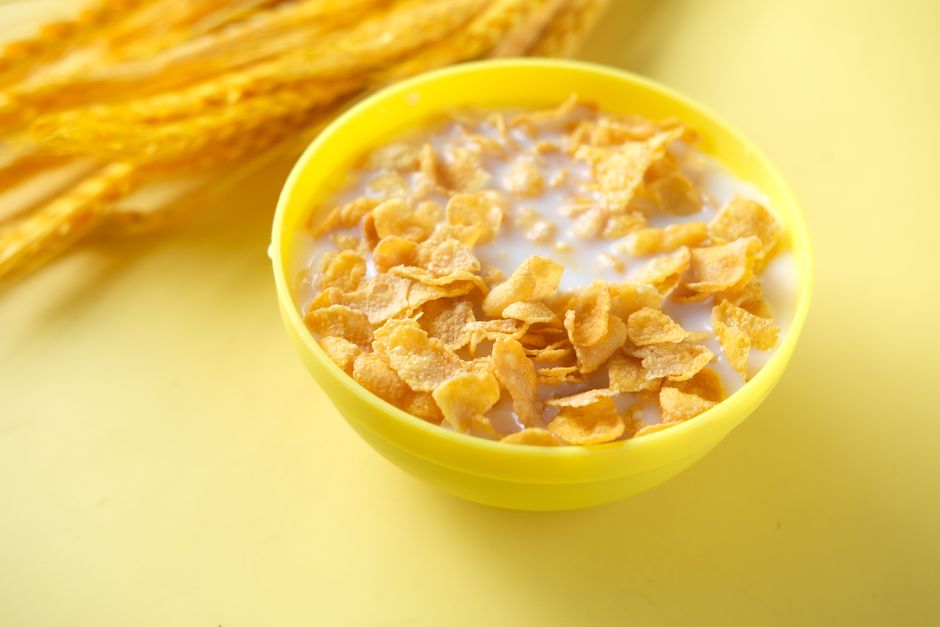
Is Milk Corn Flakes Good for Weight Loss?
Most mornings, the debate starts before the first spoonful hits the bowl. You want something quick, but you also want to make progress on your weight loss goals. So, is milk corn flakes good for weight loss, or is it just a sugary mirage in a cereal box?
The direct answer is that milk corn flakes can fit into a weight loss plan, but they are not the most effective choice for keeping you full and energized. A standard serving of corn flakes with skim milk provides roughly 150 to 200 calories, which is a reasonable breakfast number. However, this meal is low in protein and fiber, which are the two nutrients that most influence your satiety levels throughout the morning. You can eat them, but you will likely feel hungry again before lunchtime.
This article breaks down the actual numbers and the nutritional science behind this popular breakfast. We will look at how portion control works, what happens to your blood sugar, and how to make this bowl work harder for your goals without turning it into a complicated recipe. The goal is to give you a clear, honest picture so you can decide if this fits your morning routine.
Key Points at a Glance
| Point | What It Means | Why It Matters |
|---|---|---|
| Calorie Count | A bowl with 1 cup of corn flakes and 1 cup of skim milk is roughly 150-180 calories. | This is low enough to fit a weight loss budget, but it leaves little room for error with portions. |
| Protein Content | Provides only about 8-9 grams of protein, mostly from the milk. | Protein is key for muscle preservation and feeling full. This amount is low for a meal. |
| Fiber Content | Contains almost no dietary fiber (under 1 gram). | Fiber slows digestion. Without it, you will likely experience a quick blood sugar spike and crash. |
| Satiety Factor | Low fullness factor compared to oatmeal or eggs. | You may crave snacks by mid-morning, which can add extra calories to your day. |
What Are the Actual Calories in That Bowl?
Let’s get specific about the numbers, because portion sizes often look smaller in the bowl than on the nutrition label. A standard serving of corn flakes is one cup, which weighs in at about 28 grams. That serving typically contains around 100 to 110 calories. When you add one cup of skim milk, you are adding roughly 80 to 90 calories, bringing the total to about 180 to 200 calories depending on the brand of cereal and the type of milk you choose.
That calorie number is perfectly fine for a weight loss diet, especially if you are aiming for a total daily intake around 1,500 calories. The problem is rarely the calorie count itself. The issue is that this meal is not very filling. I always notice that when I eat just corn flakes, I am scrounging for a snack by 10 AM, but when I have eggs or Greek yogurt, I am fine until noon.
Why Does This Breakfast Leave You Hungry?
Hunger after a meal comes down to three things: protein, fiber, and fat. Corn flakes are almost entirely refined carbohydrates. They digest very quickly, causing your blood sugar to rise rapidly and then fall just as fast. That rapid drop is what triggers the hunger pangs and the mid-morning energy slump.
Skim milk adds a bit of protein, but not enough to change the overall effect. The combination of fast carbs and low protein means your stomach empties quickly. Some research suggests that meals with at least 20 to 30 grams of protein are more effective at managing appetite, and this bowl only delivers about a third of that amount.
Try this: If you want to keep the corn flakes, add a scoop of vanilla protein powder to the milk before pouring it over the cereal. It changes the texture slightly, but it adds the protein you are missing without making the bowl complicated.
Is Milk Corn Flakes Good for Blood Sugar Control?
For weight loss, blood sugar control is just as important as calories. When your blood sugar spikes, your body releases insulin to bring it down. Insulin is a fat-storage hormone, and high levels of it can make it harder for your body to burn stored fat. Since corn flakes are a high-glycemic food, they cause a significant spike in blood sugar.
The milk provides some fat and protein, which can slightly slow the absorption of sugar, but the effect is minimal. If you have insulin resistance or diabetes, this is not the best choice for a daily breakfast. You would be better off with a lower-glycemic option. The evidence is clear that consistently high blood sugar spikes are associated with increased hunger and a higher risk of overeating later in the day.
How to Make This Breakfast Work for Weight Loss
You do not have to give up corn flakes entirely. The key is to adjust the ratio of nutrients in the bowl. Instead of using skim milk, try whole milk or soy milk. The extra fat will slow digestion and help you feel full longer. Whole milk adds about 60 more calories per cup, but it also adds satiety that skim milk does not provide.
Another strategy is to reduce the portion of cereal and add a protein source on the side. Have half a cup of corn flakes with a hard-boiled egg or a small handful of almonds. This keeps the meal quick but gives your body the protein and fat it needs to feel satisfied. I find that measuring the cereal with a real measuring cup is essential here—most people pour double the serving size without realizing it.
You can also add fruit for fiber. Slicing a small banana or adding a handful of berries brings the fiber count up and adds natural sweetness. This helps slow the sugar absorption and adds volume to the meal without many extra calories.
What Are the Best Alternatives to Corn Flakes?
If you are serious about weight loss, you might want to consider swapping the corn flakes for a cereal that has more staying power. Look for cereals that have at least 3 grams of fiber and 5 grams of protein per serving. Bran flakes, shredded wheat, or puffed wheat with added protein are better options than plain corn flakes.
Oatmeal remains one of the best breakfast choices for weight loss. It is high in fiber, especially beta-glucan, which has been shown to improve satiety and reduce cholesterol levels. You can make it in the microwave in two minutes, and it is just as convenient as pouring a bowl of cereal. I keep a jar of quick oats at my desk at work for days when I forget to eat breakfast at home.
Eggs are another excellent option. A study published in the International Journal of Obesity found that eating eggs for breakfast led to greater weight loss and reduced calorie intake throughout the day compared to a bagel breakfast with the same number of calories. The protein and fat in eggs keep you satisfied longer.
Frequently Asked Questions
Related Articles
Is milk corn flakes good for weight loss if I eat them every day?
Eating them daily is not ideal because the lack of protein and fiber can lead to increased hunger and cravings. You can include them occasionally, but daily consumption may make it harder to stick to your calorie goals.
How many calories are in milk corn flakes with whole milk?
A cup of corn flakes with a cup of whole milk has about 240 to 260 calories. The extra calories come from the milk fat, but you gain better satiety in return.
Can I eat corn flakes at night for weight loss?
Eating them at night is fine as long as you stay within your total daily calorie budget. However, the quick-digesting carbs may not keep you full through the night and could lead to late-night snacking.
What is the healthiest milk to put on corn flakes?
Unsweetened soy milk or whole milk are better choices than skim milk for weight loss. They provide more protein and fat, which helps control hunger better than skim milk.
Is corn flakes with milk good for building muscle?
It is not an ideal muscle-building meal because it lacks sufficient protein. Adding a protein shake or Greek yogurt on the side can help you meet your muscle-building needs.
If you are tracking your daily intake, use our TDEE Calculator to find your maintenance calories and set a proper deficit for weight loss.
The verdict is clear: is milk corn flakes good for weight loss? It can be part of your plan, but it is not the best tool in the toolbox. The low protein and fiber content make it a weak choice for keeping hunger at bay. If you love the taste, keep it as an occasional breakfast and pair it with protein and fruit to make it work harder for you.

The TDEECAL Team writes about nutrition, metabolism, and fat loss the way we built our calculator, with real numbers and no hype. We dig into the research so you don’t have to guess.