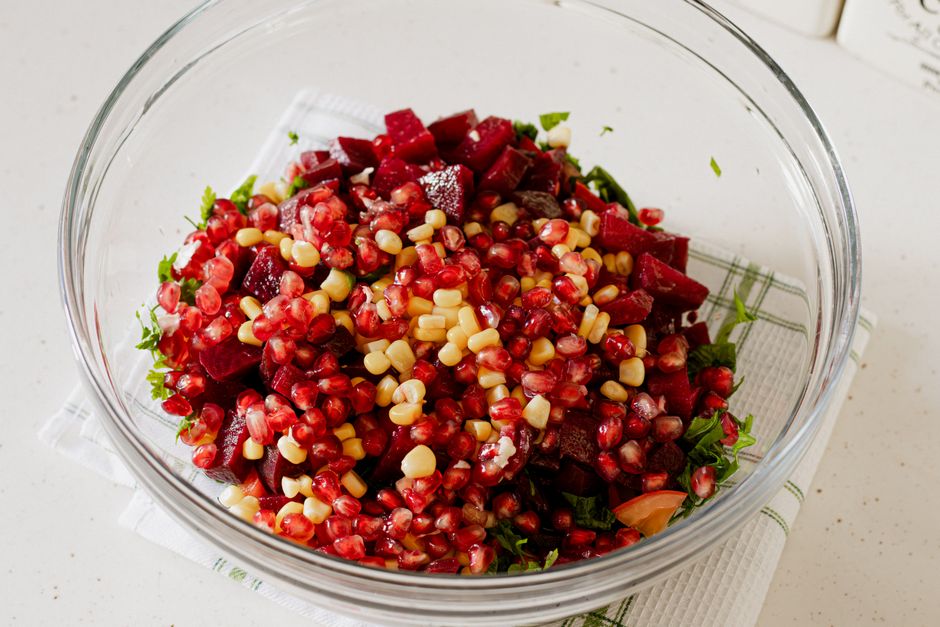
You might have walked past canned beets in the grocery store a hundred times, wondering if they actually help with weight loss or if they are just a salty side dish. The truth is, they can be a practical tool, but the way you buy and serve them makes all the difference.
Are canned beets good for weight loss? Yes, canned beets are good for weight loss because they are low in calories, high in fiber, and mostly fat-free, making them a filling addition to a calorie-controlled diet. A half-cup serving contains roughly 35 to 40 calories, depending on the brand and whether they are packed in water or seasoned. However, you need to watch the sodium content and avoid versions packed in heavy syrup, which add unnecessary sugar and calories.
Most generic advice tells you to eat fresh vegetables, but that ignores the reality of busy weeknights and tight budgets. Canned beets offer a convenient way to get a nutrient-dense vegetable onto your plate without any prep work. This article covers what the research actually says about beets and weight management, how to choose the right can, and practical ways to include them in your meals.
Key Points at a Glance
| Point | What It Means | Why It Matters |
|---|---|---|
| Calorie density | Roughly 35-40 calories per half cup | Lets you eat a generous portion without blowing your daily budget |
| Fiber content | About 2 grams per half cup | Slows digestion and helps you feel full longer |
| Sodium levels | Can be high in canned varieties | Excess sodium causes water retention and can mask real weight loss progress |
| Syrup vs. water | Syrup-packed versions add sugar | Water-packed or no-salt-added versions keep calories low |
| Dietary nitrates | Naturally occurring compounds in beets | May support exercise performance, which helps with activity levels |
What Does the Research Say About Beets and Weight Loss?
No single food causes weight loss, and beets are no exception. Weight loss happens when you consistently eat fewer calories than your body burns, and beets can help with that because they are low in calories and high in water and fiber. Some studies suggest that the dietary nitrates in beets may improve blood flow and exercise endurance, which could indirectly support weight management by helping you stay active.
The evidence for beets specifically causing fat loss is limited. Research published in the Journal of the Academy of Nutrition and Dietetics has looked at vegetable consumption patterns and weight outcomes, showing that higher intake of non-starchy vegetables is associated with less weight gain over time. Beets fit into that category, but they are not a miracle food. They work best as part of an overall pattern of healthy eating, not as a standalone solution.
Are Canned Beets Good for Weight Loss Compared to Fresh Beets?
The nutritional differences between canned and fresh beets are smaller than you might think. Canned beets lose some water-soluble vitamins like vitamin C during the canning process, but the fiber, calories, and mineral content remain largely intact. A half-cup of canned beets has similar calories and fiber to a half-cup of boiled fresh beets, making them comparable for weight loss purposes.
The bigger issue is what gets added during canning. Some brands pack beets in syrup, which can double or triple the sugar content. Others add salt for preservation, pushing sodium to over 300 milligrams per serving. Fresh beets have no added sodium or sugar, but they require peeling and cooking, which takes time and effort. For many people, the convenience of canned beets means they actually eat the vegetable instead of letting it rot in the fridge.
How to Choose the Right Canned Beets for Weight Loss
Reading the label is the single most important step when buying canned beets. Look for cans that say “no salt added” or “low sodium” on the front, and check the ingredient list to make sure it contains only beets and water. Avoid any can that lists sugar, high fructose corn syrup, or “light syrup” as an ingredient, because those add empty calories that work against your goals.
Rinsing canned beets under cold water for about 30 seconds can remove up to 40 percent of the sodium, according to general food preparation guidance. This simple step makes a meaningful difference if you are watching your blood pressure or dealing with water retention. You can also buy sliced, diced, or whole beets depending on how you plan to use them in meals.
Practical Ways to Add Canned Beets to Your Meals
Adding canned beets to your diet does not require complicated recipes. Toss them into a green salad with a simple vinaigrette, or blend them into a smoothie with berries and Greek yogurt for a fiber boost. You can also mash them and mix into lean ground turkey for a moist burger that stretches your protein further.
Roasting canned beets is another option, even though they are already cooked. Spread them on a baking sheet with a small amount of olive oil and roast at 400 degrees for about 15 minutes to concentrate their natural sweetness and improve the texture. This method works well for meal prep, since roasted beets keep in the fridge for up to five days and reheat easily.
One caution: beets are higher in natural sugar than most other vegetables, with about 6 grams per half cup. That is not a problem for most people, but if you are following a very low-carb or keto diet, you may need to account for those carbohydrates in your daily totals. For most people trying to lose weight, the fiber and water content make beets a smart choice, not a risky one.
Related Articles
Frequently Asked Questions
How many calories are in canned beets?
A half-cup serving of canned beets contains roughly 35 to 40 calories, depending on the brand and packing liquid. Water-packed versions are lower in calories than those packed in syrup.
Are canned beets as healthy as fresh beets?
Canned beets retain most of the fiber and minerals of fresh beets, but they lose some vitamin C during processing. The main downside is added sodium or sugar, which you can avoid by choosing no-salt-added and water-packed varieties.
Can I eat canned beets every day for weight loss?
Eating canned beets daily is fine for most people, as long as you stay within your overall calorie and sodium targets. A half-cup serving fits easily into a balanced diet without pushing you over your limits.
Do canned beets have added sugar?
Some brands pack beets in syrup, which adds significant sugar, but many pack them in water with no added sweeteners. Always read the ingredient list to confirm there is no sugar, corn syrup, or other sweetener listed.
Are pickled beets good for weight loss?
Pickled beets are higher in sodium and often contain added sugar, making them a less ideal choice for weight loss than plain canned beets. If you enjoy them, eat them in small portions and account for the extra calories and salt.
If you are tracking your calories to lose weight, use our TDEE Calculator to find your maintenance number and create a sensible calorie deficit. Knowing your daily target takes the guesswork out of portion sizes and helps you fit foods like canned beets into your plan without overthinking it.

The TDEECAL Team writes about nutrition, metabolism, and fat loss the way we built our calculator, with real numbers and no hype. We dig into the research so you don’t have to guess.