Are Prebiotics Good for Weight Loss?
If you’ve been reading about gut health, you’ve probably seen prebiotics mentioned as a must-have. But the real question is whether they actually help you lose weight.
Yes, prebiotics are good for weight loss, but not in the way you might think. They don’t burn fat directly. Instead, prebiotics feed the good bacteria in your gut, which can help regulate appetite, reduce inflammation, and improve blood sugar control. Research shows these effects can support weight loss efforts, but prebiotics work best as part of a balanced diet rather than as a standalone solution.
Most articles about prebiotics focus on digestion and bloating. What they miss is how these fibers affect hunger hormones and fat storage. This guide covers what the science actually says, which prebiotic foods are worth eating, and how to add them without digestive discomfort.
Related Articles
Key Points at a Glance
| Point | What It Means | Why It Matters |
|---|---|---|
| Prebiotics feed gut bacteria | They are indigestible fibers that nourish beneficial microbes | A healthy gut microbiome is linked to easier weight management |
| They affect appetite hormones | Can increase GLP-1, which signals fullness | May help you eat fewer calories without feeling deprived |
| Not a fat burner | No evidence that prebiotics directly burn fat | Manage expectations — they support, not replace, healthy habits |
| Start slow | Sudden increases cause gas and bloating | Gradual introduction prevents digestive discomfort |
How Do Prebiotics Affect Weight Loss?
Your gut contains trillions of bacteria that influence your metabolism. Prebiotics are plant fibers that these bacteria ferment and feed on. When your gut bacteria digest these fibers, they produce short-chain fatty acids like butyrate.
These fatty acids do several things that matter for weight. Some research suggests they help regulate appetite by increasing hormones that signal fullness, like GLP-1. They also help control blood sugar spikes after meals, which can reduce cravings later in the day.
A 2021 review in the journal Nutrients examined multiple studies on prebiotics and weight. The researchers found that while results vary, many studies show modest reductions in body weight and waist circumference with regular prebiotic intake. The effects are small — usually a few pounds over several months — but meaningful when combined with other healthy habits.
I always tell friends to think of prebiotics as a support system, not a spotlight. They quietly do important work in the background, but they won’t steal the show on their own.
Which Prebiotic Foods Are Best for Weight Loss?
Whole foods are the best source of prebiotics. They provide fiber along with vitamins, minerals, and other beneficial compounds that supplements don’t offer. Here are some of the most studied options.
Garlic and onions contain inulin and fructooligosaccharides, two well-researched prebiotics. They’re easy to add to almost any savory dish. Chicory root is one of the richest sources of inulin, though it’s often found in processed foods as a fiber additive. Jerusalem artichokes are packed with inulin but can cause gas if you eat too many at once.
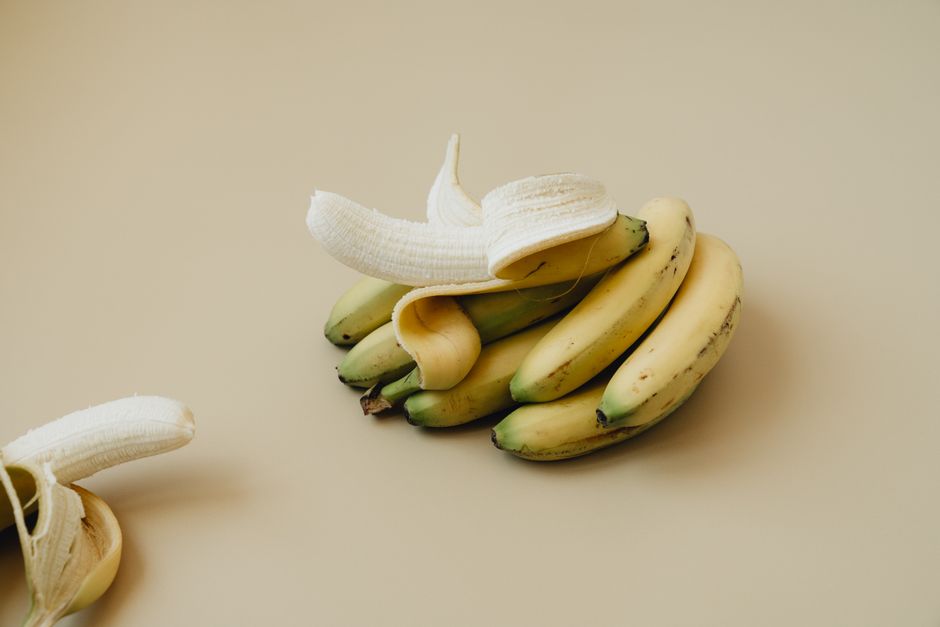
Asparagus, leeks, and bananas are also solid choices. Bananas are particularly convenient because they need no preparation. Just keep in mind that greener bananas have more resistant starch, which acts similarly to prebiotics.
Are Prebiotic Supplements Good for Weight Loss?
Many people ask whether prebiotic supplements are good for weight loss. The short answer is that supplements can help, but they aren’t magic. Most research on prebiotics and weight uses doses of 10 to 20 grams per day of inulin or similar fibers.
The problem is that getting that amount from a supplement often causes significant gas and bloating. A better approach is to get prebiotics from food first and use supplements only if needed. If you do choose a supplement, start with a low dose and increase gradually over two to three weeks.
No strong clinical evidence currently supports one specific brand or type of prebiotic supplement for weight loss. The research is promising but not definitive. If you have digestive conditions like irritable bowel syndrome, talk to your doctor before adding prebiotic supplements. They can make symptoms worse in some people.
How Quickly Can You See Results?
Expect to wait. Prebiotics don’t work overnight, and no study has confirmed they produce rapid weight loss. Most research shows effects after eight to twelve weeks of consistent use.
The timeline makes sense. Your gut bacteria need time to multiply and change the balance of your microbiome. And the effects on appetite are subtle — you may not notice them consciously even when they’re working.
What you might notice sooner is digestive changes. More gas, slight bloating, or changes in bowel habits are common in the first week or two. These usually settle down as your gut adapts. If they don’t, you’re likely taking too much too quickly.
I remember adding chicory root to my morning smoothie and regretting it for two days. Now I know better — slow and steady really does win this race.
Frequently Asked Questions
Are prebiotics good for weight loss or just gut health?
Prebiotics are good for both, but the weight effects are indirect. They improve gut health, which can help regulate appetite and blood sugar, making weight loss easier.
What is the difference between prebiotics and probiotics?
Prebiotics are food for bacteria, while probiotics are the live bacteria themselves. You need both for a healthy gut, but they work differently.
Can prebiotics cause weight gain?
No strong clinical evidence links prebiotics to weight gain. They are low-calorie fibers that generally support weight management.
How much prebiotic fiber should I eat daily?
Most adults should aim for 25 to 38 grams of total fiber daily. There’s no established guideline for prebiotics alone, but 5 to 10 grams is a reasonable target.
Do prebiotics suppress appetite?
Some studies suggest prebiotics increase fullness hormones like GLP-1. The effect is modest and varies from person to person.
Are prebiotic sodas good for weight loss?
Prebiotic sodas contain added fiber, but most also contain sugar or sweeteners. Check the label — the calories may cancel out the benefits.
Looking to track how prebiotics fit into your daily calorie needs? Try our TDEE calculator to see your maintenance calories and plan your intake accordingly.

The TDEECAL Team writes about nutrition, metabolism, and fat loss the way we built our calculator, with real numbers and no hype. We dig into the research so you don’t have to guess.