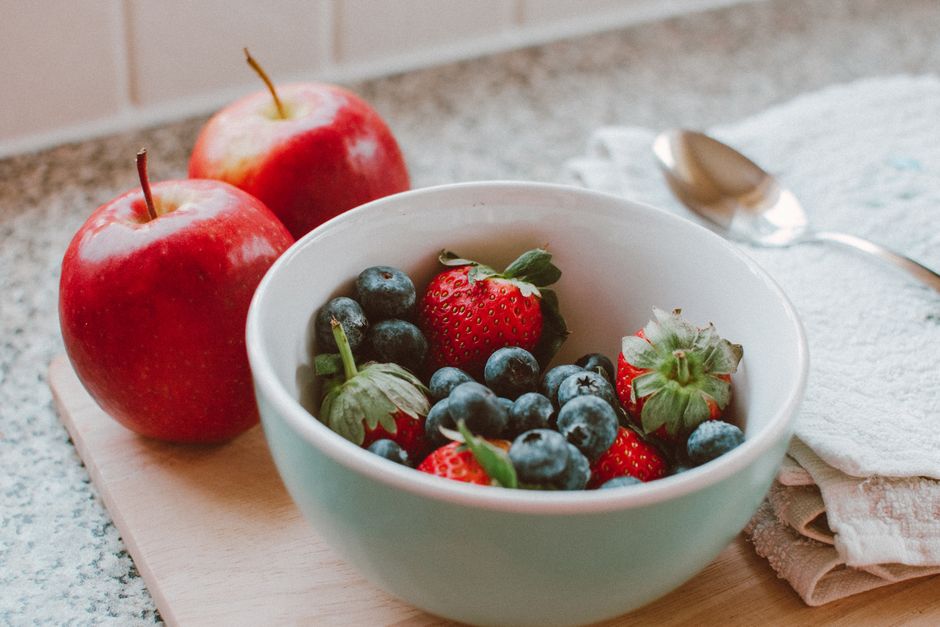
Is Fruit for Breakfast Good for Weight Loss?
Many women start their day with fruit, hoping it will help them shed pounds. But the sugar content in fruit often makes people wonder if they are making a smart choice.
The answer is yes, fruit for breakfast is good for weight loss for most people. Fruit is packed with fiber and water, which help you feel full on fewer calories. The natural sugars in fruit come with nutrients that your body needs, unlike the added sugars in processed breakfast foods. Choosing whole fruit over sugary cereals or pastries is a clear win for your weight loss efforts.
This article digs into the science behind fruit at breakfast. We’ll look at portion sizes, the best types of fruit, and how to combine them with other foods. You’ll get practical advice that goes beyond the simple “eat more fruit” advice you see everywhere.
My rule of thumb: I always pair my morning fruit with a protein source. A handful of berries with Greek yogurt keeps me satisfied until lunch, while fruit alone often leaves me hungry an hour later.
Key Points at a Glance
| Point | What It Means | Why It Matters |
|---|---|---|
| Fiber Content | Fruit provides 2-4 grams of fiber per serving | Fiber slows digestion and keeps you full longer |
| Water Volume | Most fruits are 80-90% water | Water adds bulk without adding calories |
| Natural Sugars | Fruit sugar comes with vitamins and antioxidants | Your body processes it differently than added sugar |
| Portion Control | One serving is about one cup or one medium piece | Eating too much fruit can add up in calories |
| Protein Pairing | Adding protein changes how your body handles fruit sugar | This combination stabilizes blood sugar and appetite |
What Does the Research Say About Fruit and Weight Loss?
Studies have consistently linked higher fruit intake with lower body weight. Research published in the journal Nutrients found that people who ate more fruit tended to weigh less over time. The fiber and water in fruit appear to be the main drivers of this effect.
Some research suggests that replacing higher-calorie breakfast foods with fruit can create a natural calorie deficit. A medium banana has about 105 calories, while a typical breakfast pastry has 300 or more. That swap alone can save you 200 calories before you even leave the kitchen.
I keep a bowl of apples on my counter because they are the most portable breakfast fruit. A crisp apple with a spoonful of peanut butter takes two minutes to prepare and holds me over for hours.
How Much Fruit Should You Eat at Breakfast?
One serving of fruit is the right amount for most people at breakfast. That means one medium piece of fruit, one cup of berries, or half a cup of chopped fruit. This provides roughly 60 to 100 calories, depending on the fruit you choose.
Eating more than two servings at one meal can work against you. Fruit is still food, and excess calories from any source can slow weight loss. If you love fruit, spread your servings across the day instead of loading up all at once.
Practical advice: Measure your fruit for the first week to train your eye. Most people are surprised to see what an actual one-cup serving looks like. After a week, you will be able to eyeball it accurately.
Which Fruits Are Best for Breakfast?
Berries, apples, pears, and citrus fruits are excellent choices for breakfast. These fruits are lower in sugar and higher in fiber than tropical options like mangoes and grapes. A cup of raspberries has 8 grams of fiber, which is about a third of your daily needs.
Bananas and melons are fine too, but they are higher in sugar and calories per serving. That does not make them bad choices, just ones that require a smaller portion. The best fruit for you is the one you will actually eat, so choose what you enjoy.
Should You Pair Fruit with Protein or Fat?
Yes, pairing fruit with protein or healthy fat makes a real difference. The protein slows down how quickly the sugar from fruit enters your bloodstream. This prevents the energy crash that can lead to mid-morning cravings.
Good pairings include fruit with Greek yogurt, cottage cheese, nuts, or eggs. A simple breakfast of sliced apple with almond butter or berries with plain yogurt works well. This combination turns fruit from a snack into a complete meal that keeps you satisfied.
Is Fruit for Breakfast Good for Weight Loss Compared to Other Options?
Fruit is a better breakfast choice than most processed options like cereal, toast with jam, or pastries. These foods are low in fiber and high in refined carbohydrates that spike blood sugar. Fruit provides similar sweetness but with fiber, water, and nutrients that support your goals.
However, fruit alone is not a complete breakfast. A meal of only fruit lacks protein and fat, which are essential for satiety. The evidence suggests that the best breakfast combines fruit with protein for lasting fullness.
Does the Sugar in Fruit Matter?
The sugar in whole fruit is not the same as added sugar in processed foods. Fruit sugar comes packaged with fiber, which slows its absorption and prevents blood sugar spikes. Research consistently shows that whole fruit does not have the same negative metabolic effects as sugary drinks or sweets.
That said, fruit juice is a different story. Juicing removes the fiber and concentrates the sugar, making it closer to soda in its effects on blood sugar. Stick with whole fruit and skip the juice if weight loss is your goal.
Related Articles
Frequently Asked Questions
Can eating fruit for breakfast cause weight gain?
Fruit alone rarely causes weight gain because it is low in calories and high in fiber. Weight gain happens when you eat more calories than you burn, regardless of the food source. Eating large amounts of dried fruit or drinking fruit juice can add significant calories without filling you up.
What is the best fruit to eat first thing in the morning?
Berries, apples, and pears are excellent choices because they are high in fiber and lower in sugar. These fruits have a lower calorie density than tropical options like bananas or mangoes. Choose whatever fruit you enjoy most, as consistency matters more than perfection.
Should I eat fruit before or after my main breakfast?
The order does not matter much for weight loss, so choose what feels natural. Eating fruit first may help you feel fuller before higher-calorie foods. Pairing fruit with your meal rather than eating it alone is the most important factor.
Is fruit for breakfast good for weight loss if I have diabetes?
Whole fruit can be part of a diabetes-friendly breakfast, but portion size matters. Pairing fruit with protein helps stabilize blood sugar and prevents spikes. Work with your healthcare provider to determine the right portion for your individual needs.
How many calories are in a typical fruit breakfast?
A one-cup serving of most fruits contains roughly 60 to 100 calories. Adding a protein source like Greek yogurt or eggs will add another 100 to 200 calories. A balanced fruit breakfast typically totals between 200 and 350 calories.
Can I eat frozen fruit for breakfast instead of fresh?
Frozen fruit is just as nutritious as fresh and often more affordable. It is picked at peak ripeness and flash-frozen, which locks in nutrients. Frozen berries work well in smoothies or microwaved with a little cinnamon for a warm breakfast.
Fruit can be a valuable part of your weight loss breakfast. The key is choosing whole fruit, watching your portions, and pairing it with protein. This approach keeps you full and satisfied while supporting your calorie goals.
Use our TDEE Calculator to find your maintenance calories and create a sustainable deficit that works with your breakfast choices.

The TDEECAL Team writes about nutrition, metabolism, and fat loss the way we built our calculator, with real numbers and no hype. We dig into the research so you don’t have to guess.