Is Resveratrol Good for Weight Loss? Here’s What the Evidence Shows
Resveratrol is the compound in red wine and grape skins that gets a lot of health hype. But when it comes to actually losing weight, the science is more complicated than the headlines suggest.
The honest answer to whether is resveratrol good for weight loss is this: the evidence is mixed, and any effect is likely small. Some studies show it may help with blood sugar control and reducing fat storage, but results vary widely. It is not a substitute for calorie control or exercise.
Most articles tell you resveratrol is a miracle fat burner without showing you the full picture. This guide breaks down what the research actually says, how much might help, and whether supplements are worth your money.
Key Points at a Glance
| Point | What It Means | Why It Matters |
|---|---|---|
| Evidence strength | Mixed results in human studies | Don’t expect dramatic fat loss |
| Main benefits | May improve blood sugar and insulin sensitivity | Better blood sugar control supports weight management |
| Dose used in studies | Typically 150–500 mg daily | Hard to get this amount from food alone |
| Realistic outcome | Small effect at best | Calorie deficit still matters most |
What Does the Research Say About Resveratrol and Weight?
The question of whether is resveratrol good for weight loss has been studied in both animals and humans. Animal studies often show impressive fat loss, but human results are much less dramatic.
Some research suggests resveratrol may help activate certain proteins linked to metabolism and fat breakdown. However, clinical trials in humans have found only modest changes in body weight or waist circumference.
A review of randomized controlled trials found that resveratrol supplementation had a small but measurable effect on body weight and body mass index. The average difference was roughly 1 to 2 pounds over several weeks — not the dramatic results some companies claim.
One thing researchers agree on is that resveratrol seems to improve insulin sensitivity in people with insulin resistance. Better insulin sensitivity means your body manages blood sugar more effectively, which can make weight loss easier over time.
How Much Resveratrol Do You Need for Weight Loss?
There is no established clinical guideline for resveratrol dosing specifically for weight loss. Most human studies use doses between 150 and 500 milligrams per day, often split into two doses.
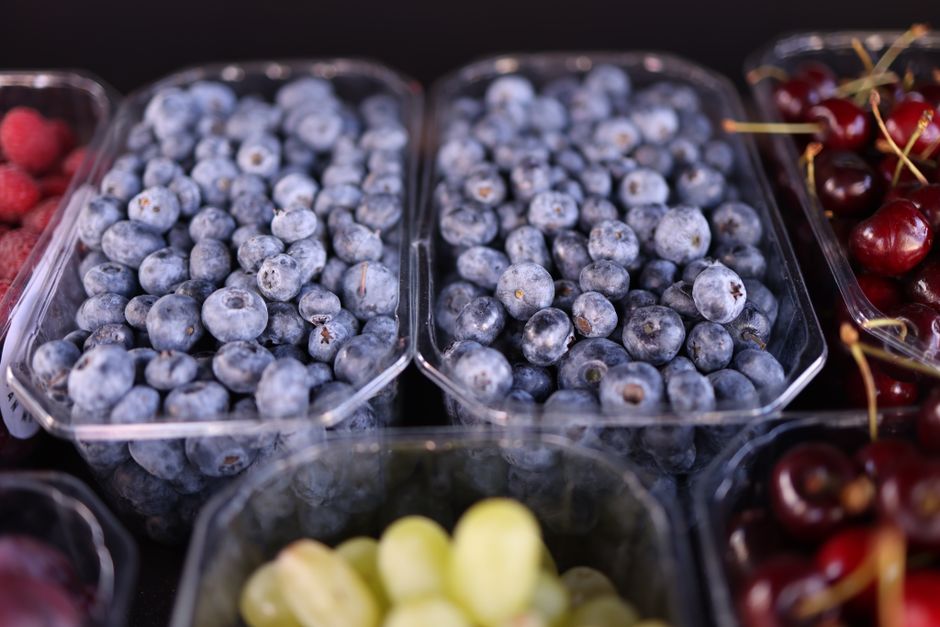
Getting that amount from food alone is nearly impossible. A glass of red wine contains roughly 1 to 2 milligrams of resveratrol. Grapes and berries have small amounts too, but you would need to eat them in unrealistic quantities.
Supplements are the only practical way to reach the doses used in research. However, quality varies widely between brands, and the FDA does not regulate supplements the way it regulates medications.
Some studies indicate that high doses of resveratrol can cause digestive upset, especially when taken on an empty stomach. Starting with a lower dose and taking it with food may reduce side effects.
Does Resveratrol Target Belly Fat Specifically?
Some supplement companies market resveratrol as a belly fat burner. The evidence does not support this specific claim.
Research in animals has shown that resveratrol may reduce visceral fat, which is the fat stored around your organs. But human studies have not consistently reproduced these results.
A few small human trials found reductions in waist circumference with resveratrol supplementation. Other studies found no significant difference compared to placebo. The evidence is genuinely mixed.
No study has confirmed that resveratrol targets belly fat more than fat elsewhere on the body. Spot reduction — losing fat from one specific area — is not supported by the research for any supplement or exercise.
Should You Take Resveratrol Supplements for Weight Loss?
Whether is resveratrol good for weight loss enough to justify buying supplements depends on your expectations. If you expect a dramatic change, you will likely be disappointed.
If you are already eating in a calorie deficit and exercising, resveratrol might offer a small additional benefit. Some studies suggest it supports metabolic health, which can help your overall efforts.
Before adding any supplement, check with your doctor. Resveratrol can interact with blood thinners and may affect estrogen levels, which matters for women with hormone-sensitive conditions.
Here is a realistic approach if you decide to try it:
- Choose a supplement from a brand that tests for purity and potency
- Start with 150 mg daily and increase only if tolerated
- Take it with food to reduce digestive side effects
- Give it 8 to 12 weeks before evaluating results
- Track your weight, measurements, and how you feel
What Are the Risks and Side Effects of Resveratrol?
Resveratrol is generally well tolerated at doses used in studies. The most common side effects are mild digestive issues like nausea, gas, or loose stools.
Higher doses above 1,000 mg daily increase the risk of side effects without adding proven benefits. More is not better with this compound.
One concern is that resveratrol may act like estrogen in the body. This could be problematic for women with a history of breast cancer or other hormone-sensitive conditions. Talk to your doctor before using it.
Another important point: resveratrol can interact with blood-thinning medications like warfarin. It may also affect how your liver processes certain drugs. Always disclose all supplements to your healthcare provider.
Frequently Asked Questions
Related Articles
Is resveratrol good for weight loss or just marketing hype?
The evidence is mixed, with some studies showing small benefits and others showing none. It is not a magic solution, but it may offer modest support when combined with diet and exercise.
How much weight can you lose with resveratrol?
Studies show an average difference of about 1 to 2 pounds compared to placebo over several weeks. Individual results vary significantly, and some people see no change at all.
Can I get enough resveratrol from red wine?
No, a glass of red wine contains only about 1 to 2 milligrams of resveratrol. Research doses range from 150 to 500 milligrams daily, which would require drinking unrealistic amounts of wine.
How long does it take for resveratrol to work?
Most studies last 8 to 12 weeks before measuring results. Give it at least that long before deciding whether it is helping you.
Is resveratrol safe for women taking hormone medications?
Resveratrol may act like estrogen in the body, so it could interact with hormone therapies. Check with your doctor before using it if you take any hormone-related medication.
What is the best time of day to take resveratrol?
Taking resveratrol with a meal that contains some fat improves absorption. Most studies split the dose between morning and evening to maintain steady levels.
If you are tracking calories as part of your weight loss plan, use our TDEE Calculator to find your maintenance calories. That number is the foundation for creating the calorie deficit that matters more than any supplement.

The TDEECAL Team writes about nutrition, metabolism, and fat loss the way we built our calculator, with real numbers and no hype. We dig into the research so you don’t have to guess.