Key Points at a Glance
| Point | What It Means | Why It Matters |
|---|---|---|
| Pink salt is mostly sodium chloride | It contains about 98% salt, with trace minerals making up the rest | Those trace minerals are too small to affect your health or weight |
| No direct weight loss effect | Pink salt does not burn fat or speed up metabolism | Weight loss still comes from a calorie deficit |
| May support hydration | Sodium helps your body hold onto fluids and maintain electrolyte balance | Better hydration can reduce bloating and support exercise performance |
| Calories are not the issue | Salt has zero calories | Any weight change from salt is water weight, not fat loss |
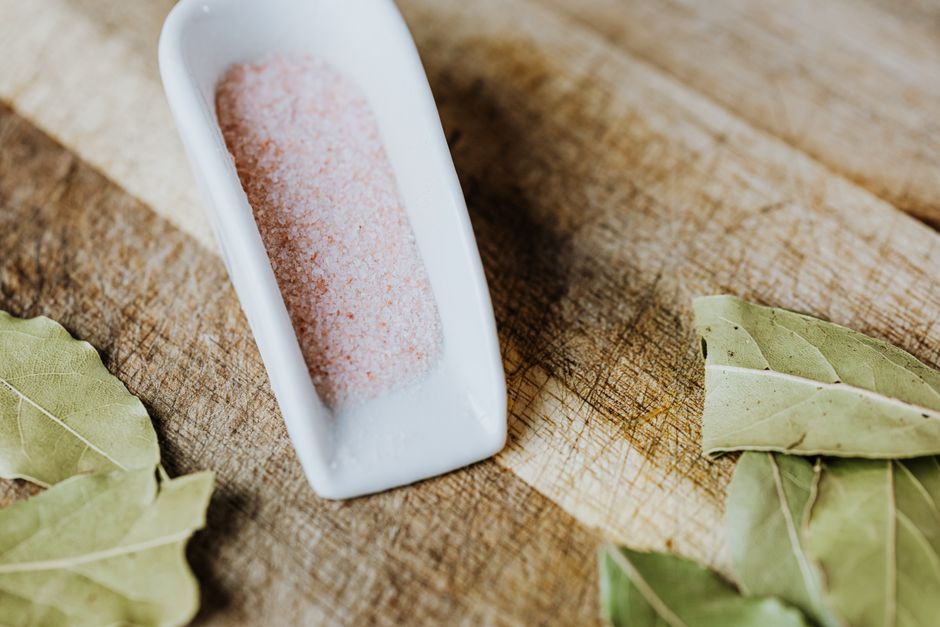
Pink salt sits in nearly every kitchen, but most people who buy it cannot say exactly what it does. The pink color comes from trace minerals like iron oxide, magnesium, and potassium. These minerals give the salt its distinctive look, but they do not change how your body processes it.
So what is pink salt for when it comes to weight loss? The honest answer is that pink salt has no direct fat-burning effect. It is still sodium chloride, just like regular table salt, and your body treats it the same way. The real role pink salt plays in weight management comes down to hydration, electrolyte balance, and how sodium affects water retention.
This article covers what the evidence actually says about pink salt and weight loss. You will learn how sodium affects your body, why some people feel less bloated on pink salt, and when it matters for your goals. No hype, no miracle claims — just the facts you need to decide if pink salt belongs in your kitchen.
What Is Pink Salt for Weight Loss Really Doing?
Pink salt, often called Himalayan pink salt, is mined from salt deposits in Pakistan. It contains the same basic compound as table salt — sodium chloride — plus trace amounts of minerals like calcium, potassium, and magnesium. Those minerals create the pink hue, but they exist in such small quantities that they have no measurable effect on your body.
Some studies suggest that pink salt may help with hydration because sodium is essential for fluid balance. When you are properly hydrated, your body functions better, and exercise feels easier. But no research shows that pink salt itself causes fat loss or changes your metabolism in any meaningful way.
Practical note: I keep pink salt in my kitchen because I like the flavor and texture, not because it changes how my body works. If you enjoy it, use it. Just do not expect it to do anything special for your weight.
Can Pink Salt Help You Lose Weight?
Weight loss happens when you consistently eat fewer calories than your body burns. Salt, whether pink or white, has zero calories and cannot create that deficit for you. No study has ever shown that pink salt increases fat burning or suppresses appetite.
What pink salt can do is influence water weight. If you switch from heavily processed table salt to pink salt, you might reduce your overall sodium intake, which can decrease water retention. That drop on the scale is water loss, not fat loss, and it typically reverses once your sodium intake returns to normal.
Some people also report feeling less bloated when using pink salt. This may happen because pink salt crystals are coarser, so you naturally use less of it. Less sodium means less water retention for some people, but the effect varies widely from person to person.
How Sodium Affects Your Weight and Hydration
Sodium is essential for nerve function, muscle contraction, and fluid balance. Your kidneys tightly regulate sodium levels, holding onto water when sodium is high and releasing it when sodium is low. This is why a salty meal often leaves you feeling puffy the next morning.
For people trying to lose weight, sodium matters because it affects the number on the scale. A high-sodium day can add two to four pounds of water weight overnight. That does not mean you gained fat — it means your body is holding extra fluid to maintain balance.
Proper hydration actually helps with weight loss efforts. When you are well-hydrated, your body can regulate hunger signals more effectively, and exercise performance improves. Using pink salt in moderation as part of a balanced diet can support hydration, but plain water and a normal diet already provide enough sodium for most people.
Are There Real Benefits to Pink Salt Over Table Salt?
The mineral content is the main difference between pink salt and regular table salt. Pink salt contains trace amounts of magnesium, calcium, and potassium, but you would need to eat dangerous amounts of salt to get meaningful quantities of these minerals. Your diet provides these nutrients in much larger amounts through vegetables, dairy, and whole grains.
Regular table salt in the United States is typically fortified with iodine, which is important for thyroid function. Pink salt is not iodized, so people who exclusively use pink salt may not get enough iodine in their diet. This is worth considering if you cook with pink salt every day and do not eat other iodine sources like seafood or dairy.
The evidence is clear that pink salt is not nutritionally superior to table salt in any way that matters for weight loss. Some people prefer the taste or the texture, and that is a valid reason to use it. But if you are choosing pink salt hoping it will help you lose weight, you will be disappointed.
How Much Sodium Should You Have While Losing Weight?
The general guidance for healthy adults is to keep sodium under 2,300 milligrams per day, which is about one teaspoon of salt. Most Americans consume far more than this, mostly from processed foods rather than salt added at the table. If you are losing weight, paying attention to sodium can help you avoid confusing water retention with actual fat loss.
One teaspoon of pink salt contains roughly 2,000 milligrams of sodium, similar to table salt. Using pink salt in cooking is fine, but the bigger source of sodium in most diets is packaged foods, restaurant meals, and condiments. Cutting those items will do far more for your weight loss than switching salt types.
Practical note: I weigh my food when I am tracking calories, and I do the same with salt. A pinch of pink salt adds negligible calories but can add significant sodium, so it is worth measuring if you are sensitive to bloating.
Frequently Asked Questions
Related Articles
Does pink salt burn belly fat?
No study has shown that pink salt burns fat in any part of the body. Weight loss requires a calorie deficit, and salt provides zero calories.
Is pink salt better than regular salt for weight loss?
Pink salt is not better than regular salt for weight loss because both are primarily sodium chloride. The trace minerals in pink salt are too small to affect your metabolism or fat burning.
Can pink salt cause water retention?
Yes, pink salt can cause water retention just like any other salt because it is high in sodium. If you eat more sodium than your body needs, your kidneys hold onto water to balance it out.
How much pink salt should I use daily?
Keep total sodium under 2,300 milligrams per day, which is about one teaspoon of salt. Most of that sodium should come from whole foods, not added salt.
Does pink salt have fewer calories than table salt?
Both pink salt and table salt contain zero calories. Salt does not contribute to your daily calorie intake regardless of its color or origin.
Will switching to pink salt help me lose weight faster?
Switching to pink salt will not speed up weight loss because it does not affect your calorie balance. Any scale change you see is likely water weight, not fat loss.
Pink salt is a perfectly fine seasoning, but it is not a weight loss tool. The path to losing weight still runs through consistent calorie control, adequate protein, and regular movement. Use pink salt because you like the way it tastes, not because you expect it to change your body. If you want to track your calories and protein accurately while losing weight, use our TDEE Calculator to find your maintenance calories and build a sustainable plan.

The TDEECAL Team writes about nutrition, metabolism, and fat loss the way we built our calculator, with real numbers and no hype. We dig into the research so you don’t have to guess.