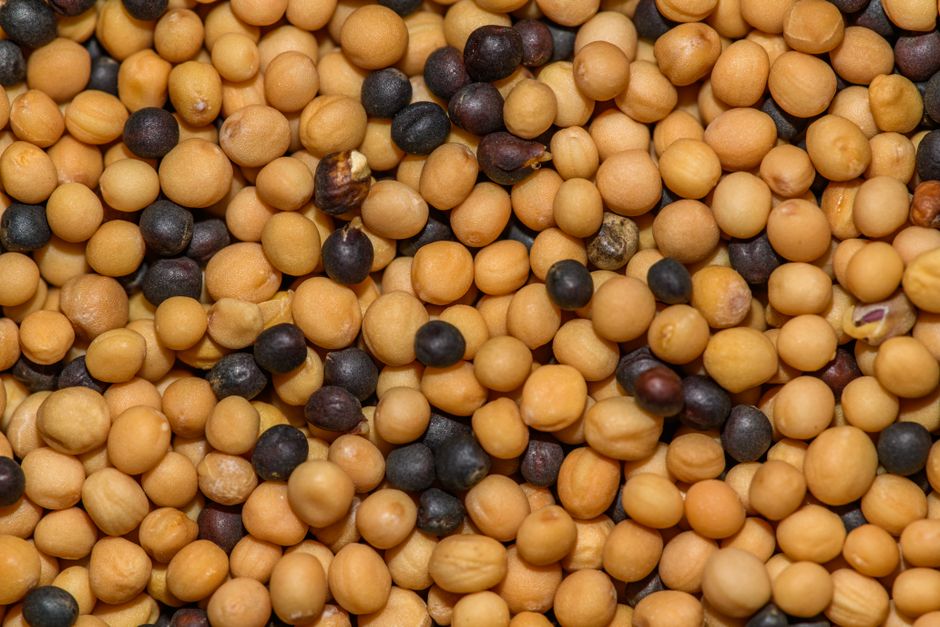
Mustard seeds are tiny, but they bring a sharp, warm kick to food that most people only experience through the yellow condiment. Many dieters overlook the whole seed, which is a mistake because it offers a simple way to add flavor without extra calories.
To eat mustard seeds for weight loss, the most effective method is to dry-roast them in a pan until they pop, then sprinkle them over cooked vegetables, salads, or soups. This technique softens their bitter edge and releases a nutty aroma that makes plain dishes more satisfying. Because the seeds are high in fiber and add potent flavor, they help you feel fuller and reduce the urge to reach for high-calorie sauces. You can also soak them overnight in water or vinegar to create a tangy, low-calorie dressing.
Weight loss comes down to a consistent calorie deficit, and mustard seeds work best as a tool to support that goal. They are not a miracle food, and no amount of seeds will cancel out a high-calorie diet. But adding them to your meals is an easy, evidence-backed way to make healthy eating more enjoyable.
This guide covers the practical ways to use them, the science behind their potential benefits, and the common mistakes people make. You will also find clear answers to the most frequent questions about portion sizes and preparation methods.
Key Points at a Glance
| Point | What It Means | Why It Matters |
|---|---|---|
| Roasting is the best prep | Dry-roasting softens bitterness and adds a nutty flavor | Makes seeds palatable so you actually use them regularly |
| Low calorie, high flavor | One teaspoon has about 15 calories | Adds taste without breaking your daily calorie budget |
| Fiber supports fullness | Seeds contain fiber that slows digestion | Helps you feel satisfied with smaller portions |
| Not a fat burner | No strong evidence shows they directly burn fat | Prevents unrealistic expectations and disappointment |
What Is the Best Way to Prepare Mustard Seeds?
Dry-roasting is the most reliable method for everyday cooking. Heat a small skillet over medium heat, add the seeds, and shake the pan constantly for one to two minutes until they start to pop and turn a shade darker. I always keep a lid nearby because the popping can send seeds flying across the stove.
Roasted seeds work beautifully as a finishing touch on roasted carrots, green beans, or a simple cucumber salad. You can also grind them into a powder and mix it into yogurt-based dips or marinades for chicken. The flavor is bold, so a little goes a long way.
Cook’s note: I always roast a small batch of about two tablespoons at a time and store the extras in a sealed jar. They stay crisp for about a week, and having them ready makes it much easier to add them to meals on busy nights.
Can Soaking Mustard Seeds Help With Weight Loss?
Soaking is a great alternative if you prefer a milder taste. Place the seeds in a bowl, cover them with water or apple cider vinegar, and let them sit for at least eight hours or overnight. The soaking process softens the seeds and reduces their sharp bite, making them easier to chew and digest.
Soaked seeds can be blended into smoothies or stirred into oatmeal for a subtle texture. Some studies suggest that the fiber in soaked seeds may help regulate blood sugar levels, which supports appetite control. However, the evidence is limited, and the main benefit remains the added fiber and flavor rather than any direct fat-burning effect.
How Many Mustard Seeds Should You Eat Per Day?
There is no established clinical guideline for a specific daily dose of mustard seeds. Most culinary uses call for one to two teaspoons per meal, which provides flavor and fiber without causing digestive discomfort. Starting with a smaller amount is wise because the seeds can be hard to digest in large quantities.
Eating more than a few tablespoons at once may lead to bloating or an upset stomach. The key is consistency, not quantity. Adding a teaspoon to your lunch and dinner is a practical approach that fits easily into a balanced diet.
Do Mustard Seeds Actually Boost Your Metabolism?
Some research suggests that compounds in mustard seeds, such as allyl isothiocyanate, may have a mild thermic effect. This means the body burns a few extra calories digesting them. However, the effect is small and unlikely to produce noticeable weight loss on its own.
Marketing claims often exaggerate this effect, calling mustard seeds a “metabolism booster.” No strong clinical evidence currently supports the idea that they significantly increase calorie burn. The real value lies in their ability to make low-calorie meals more flavorful, which helps you stick to your diet long-term.
What Are the Best Recipes Using Mustard Seeds for Weight Loss?
One of the simplest recipes is a mustard seed vinaigrette. Whisk together one teaspoon of soaked seeds, two tablespoons of apple cider vinegar, one teaspoon of olive oil, and a pinch of salt. This dressing adds a tangy kick to any salad without the sugar found in store-bought versions.
Another option is to add roasted seeds to a warm grain bowl. Cook half a cup of quinoa, then stir in a teaspoon of roasted mustard seeds, fresh herbs, and lemon juice. The seeds provide a pleasant crunch that makes the dish feel more substantial.
A third idea is to use ground mustard seeds as a dry rub for fish or chicken. Mix one teaspoon of ground seeds with garlic powder, paprika, and black pepper. Coat the protein and bake it for a simple, high-protein meal that supports your weight loss efforts.
Frequently Asked Questions
Related Articles
Frequently Asked Questions
Can you eat mustard seeds raw?
Yes, you can eat mustard seeds raw, but they are quite bitter and hard to chew. Roasting or soaking them makes the flavor more pleasant and easier to digest.
Do mustard seeds help reduce belly fat?
No food specifically targets belly fat, and mustard seeds are no exception. Weight loss from the belly area comes from an overall calorie deficit and regular physical activity.
Are mustard seeds high in calories?
No, mustard seeds are low in calories, with about 15 calories per teaspoon. This makes them a smart way to add flavor without adding significant calories to your meals.
Can mustard seeds cause any side effects?
Eating very large amounts of mustard seeds can cause stomach upset or bloating. Start with small portions and increase gradually to see how your body responds.
How long do roasted mustard seeds last?
Roasted mustard seeds stay fresh for about one week when stored in an airtight container. Keep them in a cool, dark place to preserve their flavor and crunch.
Adding mustard seeds to your meals is a simple strategy that pays off through better flavor and a little extra fiber. Use our TDEE Calculator to find your maintenance calories and build a plan that works for you.
Start with one small change today. Roast a teaspoon of seeds and sprinkle them over your dinner. Small, consistent habits are what actually move the scale.

The TDEECAL Team writes about nutrition, metabolism, and fat loss the way we built our calculator, with real numbers and no hype. We dig into the research so you don’t have to guess.