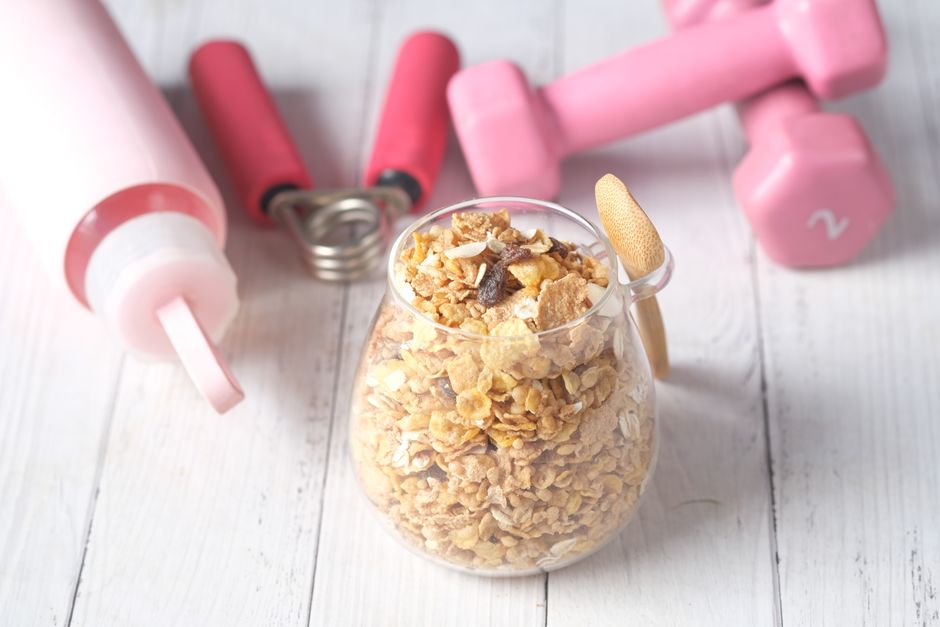
Is Dumbbells Good for Weight Loss?
Yes, dumbbells are an excellent tool for weight loss, and the short answer is that they work. The reason is simple: lifting weights builds muscle, and muscle burns more calories at rest than fat does. But the real power of dumbbells for weight loss comes from how they fit into your overall calorie equation.
Most people think cardio is the only answer to losing weight. That is a mistake. Strength training with dumbbells changes your body composition, which means you lose fat while keeping or even gaining lean muscle. This matters because your resting metabolic rate—the calories you burn doing nothing—stays higher when you have more muscle.
This article covers what the research actually says about dumbbells and weight loss. You will learn how many calories dumbbell workouts burn, how to structure your routine, and why most people give up too soon. You will also see the common mistakes that stall progress, so you can avoid them from day one.
Key Points at a Glance
| Point | What It Means | Why It Matters |
|---|---|---|
| Muscle burns more calories | Each pound of muscle uses roughly 6 calories per day at rest | More muscle means a higher daily calorie burn without extra effort |
| Dumbbells build muscle | Resistance training triggers muscle growth when paired with enough protein | Muscle preservation keeps your metabolism from dropping during weight loss |
| Calorie burn varies | A 30-minute dumbbell session burns roughly 100 to 200 calories | Workouts matter, but your daily calorie intake matters more |
| Consistency beats intensity | Two to three sessions per week produces reliable results | Regular training creates habits that last beyond the scale |
How Dumbbells Help You Burn More Calories
The calorie math behind weight loss is straightforward: you need to burn more calories than you consume. Dumbbells help on both sides of that equation. The workout itself burns calories, but the muscle you build keeps burning calories for hours afterward.
Research consistently shows that resistance training increases your resting metabolic rate. One study found that participants who lifted weights for 18 weeks raised their resting metabolism by roughly 7 percent. That means a woman burning 1,500 calories at rest would burn about 105 extra calories per day without changing anything else.
Most people underestimate how much energy strength training requires. A 155-pound woman doing moderate dumbbell exercises burns about 112 calories in 30 minutes. Heavier weights and shorter rest periods push that number higher, sometimes reaching 200 calories per session.
Is Dumbbells Good for Weight Loss Compared to Cardio?
The evidence is clear: combining both is better than choosing one. Cardio burns more calories during the workout itself. Dumbbells build muscle that raises your baseline burn. Together, they create a calorie deficit that is easier to sustain.
Some studies suggest that resistance training is better than cardio for preserving muscle during weight loss. When you cut calories, your body can break down muscle for energy. Lifting weights sends a signal to keep that muscle, forcing your body to burn fat instead.
Cardio has its place, though. It improves heart health and burns calories efficiently. The smart approach is to do both. Aim for two to three dumbbell sessions and two to three cardio sessions per week. This combination produces the most reliable results for long-term weight management.
How to Structure a Dumbbell Workout for Weight Loss
Start with compound movements. These are exercises that work multiple muscle groups at once, like squats, deadlifts, rows, and presses. They burn more calories per minute than isolation exercises like bicep curls because they demand more energy.
A simple beginner routine looks like this. Perform three sets of eight to twelve repetitions for each exercise. Rest for 60 to 90 seconds between sets. Choose a weight that makes the last two reps challenging but not impossible.
– Goblet squats
– Dumbbell bench press
– Bent-over rows
– Overhead press
– Dumbbell lunges
– Romanian deadlifts
Do this routine two to three times per week on non-consecutive days. As you get stronger, increase the weight before increasing the repetitions. Progressive overload—lifting more over time—is what drives muscle growth and continued calorie burn.
How Many Calories Should You Eat While Lifting Weights?
Your calorie target depends on your current weight, age, and activity level. A general rule is to create a deficit of 300 to 500 calories per day for steady weight loss of about one pound per week. That deficit should come mostly from food, not from extra exercise.
Protein becomes more important when you lift weights. Research suggests that higher protein intake helps preserve muscle during weight loss. Aim for roughly 0.7 to 1 gram of protein per pound of body weight. A 180-pound woman would target about 126 to 180 grams daily.
Do not cut calories too low. Eating below 1,200 calories per day is a clinical minimum that requires medical supervision. Very low-calorie diets can backfire by causing muscle loss and slowing your metabolism, which makes long-term weight loss harder.
Common Mistakes That Stall Dumbbell Weight Loss
The biggest mistake is using weights that are too light. If you can do twenty repetitions easily, the weight is not challenging enough. Your muscles need to work near failure to trigger growth. Choose a weight where the last two reps feel hard.
Another mistake is skipping rest days. Muscles grow during recovery, not during the workout. Training the same muscles every day prevents growth and increases injury risk. Give each muscle group at least 48 hours of rest between sessions.
Many people also ignore their nutrition while focusing on exercise. You cannot out-train a poor diet. Weight loss happens in the kitchen, while strength happens in the gym. Both matter, but the calorie deficit is non-negotiable.
How Long Before You See Results With Dumbbells?
Most people notice changes in four to eight weeks of consistent training. The scale might not move much at first because muscle is denser than fat. You could lose inches while the number on the scale stays the same. That is a sign the method is working.
Strength gains come faster than visible changes. You will likely lift heavier weights within two to three weeks. That progress is real and measurable, even if the mirror takes longer to catch up. Take measurements and progress photos to track changes the scale misses.
Patience is the hardest part of weight loss. Research shows that people who stick with a program for at least 12 weeks see the most significant results. Give yourself that time before judging whether dumbbells work for you.
Related Articles
Frequently Asked Questions
Can I lose belly fat with dumbbells?
You cannot target fat loss from one specific area of your body. Dumbbells build muscle everywhere, and losing belly fat comes from creating an overall calorie deficit.
How many days a week should I lift dumbbells?
Two to three sessions per week is ideal for most beginners. This schedule provides enough stimulus for muscle growth while allowing proper recovery between workouts.
Should I lift heavy or light weights for weight loss?
Heavier weights with fewer repetitions build more muscle than light weights with high repetitions. Choose a weight that makes the last two reps of each set challenging.
Will dumbbells make me bulky?
No, women generally lack the testosterone levels needed to build large amounts of muscle. Strength training creates a toned appearance by reducing fat and adding modest muscle.
Do I need to do cardio if I lift weights?
Cardio is not required, but it helps create a larger calorie deficit. Combining two to three days of dumbbell training with two to three days of cardio produces the best results.
How many calories does a dumbbell workout burn?
A 30-minute dumbbell session burns roughly 100 to 200 calories depending on your weight and intensity. The muscle you build continues burning extra calories around the clock.

The TDEECAL Team writes about nutrition, metabolism, and fat loss the way we built our calculator, with real numbers and no hype. We dig into the research so you don’t have to guess.