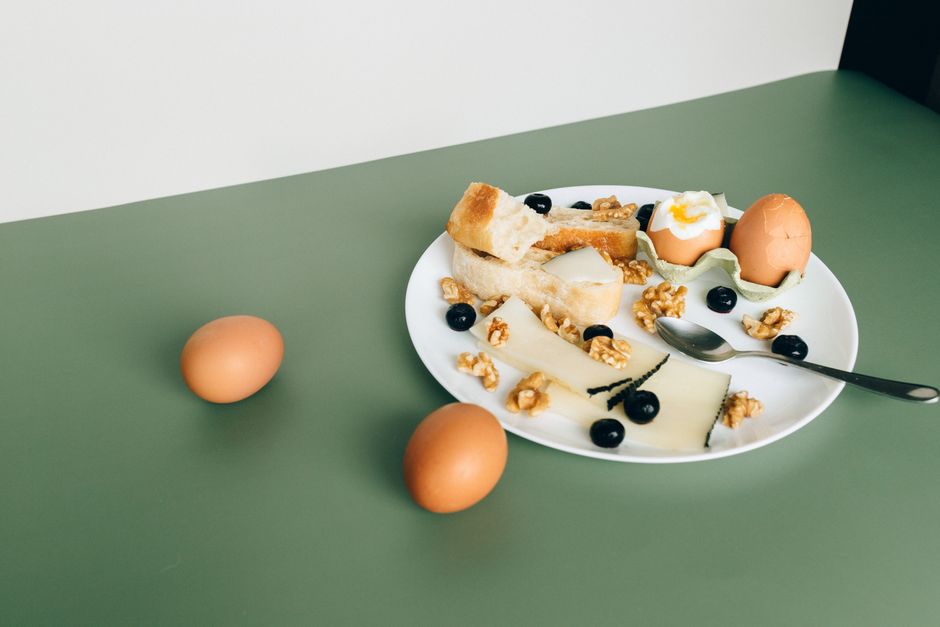
Most women aiming for weight loss eat far too little protein at breakfast and lunch, then try to catch up at dinner. That pattern works against you, because your body uses protein more efficiently when you spread it across the day. The research on meal timing and muscle preservation is clearer than most diet advice you’ll find online.
For weight loss, how much protein a meal should contain is roughly 25 to 35 grams for most women. That range supports muscle retention while you’re in a calorie deficit, keeps hunger in check between meals, and matches what studies on protein distribution have found effective. Spreading your intake this way beats loading most of your protein into one meal.
This article explains the science behind that number, how to adjust it for your body, and what happens if you eat more or less. You’ll also get practical ways to hit your target without overhauling your entire kitchen.
Key Points at a Glance
| Point | What It Means | Why It Matters |
|---|---|---|
| Protein per meal | 25–35 grams for most women | Supports muscle retention during weight loss |
| Timing | Spread evenly across 3–4 meals | Better muscle synthesis than one large serving |
| Calorie deficit | Protein needs rise when cutting calories | Protects lean mass while losing fat |
| Individual factors | Weight, activity, and age shift the target | A smaller woman needs less than a taller one |
How Much Protein Do You Need Per Day for Weight Loss?
Daily protein targets for weight loss typically range from 1.2 to 2.0 grams per kilogram of body weight. That translates to roughly 70 to 120 grams per day for a woman weighing 150 pounds, depending on how aggressive her calorie deficit is and how much she exercises.
Research published in the American Journal of Clinical Nutrition found that higher protein intakes help preserve lean mass during calorie restriction. The upper end of that range matters most if you’re doing strength training or carrying more muscle to protect.
How Much Protein a Meal Supports Weight Loss Best
Once you know your daily target, divide it across three or four meals. For most women, that works out to how much protein a meal should contain: roughly 25 to 35 grams. A 150-pound woman aiming for 100 grams daily would eat about 33 grams at each of three meals.
Some studies suggest that per-meal amounts above 40 grams offer little additional muscle-building benefit for most people. Your body uses what it needs and processes the rest as energy or stores it, so there’s no advantage to a 60-gram dinner if your breakfast had only 10.
I’ve found that clients who hit 30 grams at breakfast stop reaching for mid-morning snacks almost immediately. The difference shows up within the first week, and it’s not subtle.
What Does 30 Grams of Protein Actually Look Like?
Numbers are abstract until you see them on a plate. A 30-gram protein meal might be 4 ounces of chicken breast with a cup of quinoa, or two eggs with a cup of Greek yogurt and a handful of almonds, or a scoop of protein powder blended into oatmeal.
For reference, 3 ounces of cooked chicken has about 25 grams, a cup of Greek yogurt has roughly 20, and a large egg has 6. Plant proteins run lower per serving, so vegetarians often need to combine sources or use tofu and lentils more deliberately.
I always tell clients to measure portions for the first two weeks. Most people overestimate by 40 percent or more when they eyeball protein, and that gap quietly erodes their results.
Can You Eat Too Much Protein in One Meal?
For healthy women, there’s no real danger in eating 50 or 60 grams at a single sitting. Your body will digest it over several hours, and the excess simply gets used for energy or converted to stored fat like any extra calories.
The practical problem is different. If you eat a huge protein dinner, you’re likely missing protein earlier in the day, which means you miss out on the muscle-preserving and hunger-controlling benefits of even distribution. Consistency matters more than any single meal.
People with kidney disease do need to watch protein intake, but this does not apply to healthy women. If you have a diagnosed kidney condition, talk to your doctor about your specific protein needs.
Does Protein Type Matter for Weight Loss?
Complete proteins from animal sources contain all essential amino acids your body needs for muscle building. Plant proteins are often incomplete on their own, but combining rice with beans or eating soy products covers the gaps without much effort.
Research consistently shows that total daily protein matters more than the specific source for weight loss outcomes. That said, lean poultry, fish, eggs, dairy, and legumes give you the most protein per calorie, which is valuable when you’re in a deficit.
Processed protein bars and shakes work fine in a pinch, but whole food sources keep you fuller and provide other nutrients. I keep a bag of frozen shrimp and canned tuna in my pantry for days when I’m short on time.
Frequently Asked Questions
Related Articles
How much protein a meal should I eat to lose weight?
Most women should aim for 25 to 35 grams of protein per meal during weight loss. This range supports muscle retention and keeps you satisfied between meals.
Is 20 grams of protein per meal enough?
Twenty grams is on the low end and may work for smaller women with lower daily targets. Most women will feel hungrier and lose more muscle than those eating closer to 30 grams per meal.
Does eating protein at breakfast help weight loss more than other meals?
Breakfast protein helps control hunger throughout the day, but total daily intake matters most. The best approach is hitting your protein target at every meal rather than prioritizing one.
Can I lose weight without counting protein grams?
Yes, but you’ll likely eat less protein than you think you are. Using a food scale and tracking app for two weeks gives you a baseline you can estimate from afterward.
Will eating too much protein turn into fat?
Excess protein calories can be stored as fat, just like excess carbs or fat. The key is staying within your total calorie target while hitting your protein goals.
Use our TDEE Calculator to find your maintenance calories, then subtract 300 to 500 for weight loss. That number tells you exactly how much room you have for protein and other foods.
Start by tracking your protein for one week without changing anything else. You’ll likely find gaps in your breakfast or lunch that are easy to fix with a hard-boiled egg, a Greek yogurt cup, or a scoop of protein powder in your coffee.

The TDEECAL Team writes about nutrition, metabolism, and fat loss the way we built our calculator, with real numbers and no hype. We dig into the research so you don’t have to guess.