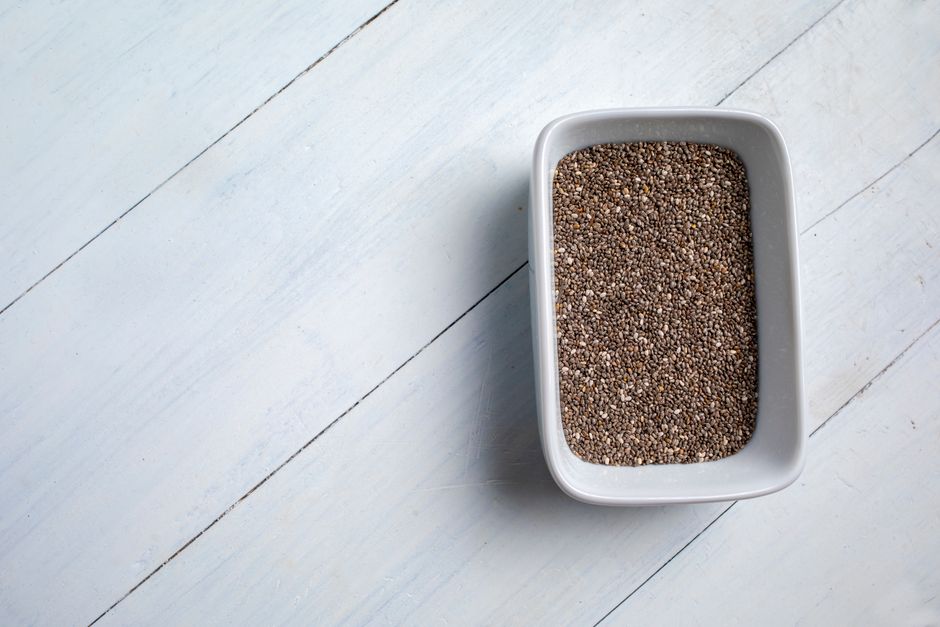
How to Eat Chia Seeds for Breakfast Weight Loss
Most people buy chia seeds, try them once, and let the bag gather dust in the pantry. That is a shame because these tiny seeds are one of the easiest breakfast additions for women trying to manage their weight.
The simplest way to eat chia seeds for breakfast weight loss is to soak them in liquid overnight to form a pudding, or stir them into yogurt, oatmeal, or a smoothie. The seeds absorb water and expand in your stomach, which helps you feel full longer with fewer calories. This effect is the main reason research connects chia seeds to better appetite control and steadier blood sugar through the morning.
Most generic advice stops at “add them to smoothies.” This article goes further. You will learn the exact ratios that work, why timing matters, and which preparation methods preserve the nutritional benefits. You will also get honest answers about how much these seeds actually help with weight loss versus what is just clever marketing.
Chia seeds are not a magic bullet. They are a practical tool that works best when paired with a balanced breakfast. Understanding how to use them properly makes the difference between a breakfast that satisfies and one that leaves you hungry by mid-morning.
Key Points at a Glance
| Point | What It Means | Why It Matters |
|---|---|---|
| Soak before eating | Mix with liquid 15+ minutes before consuming | Prevents choking risk and improves fullness |
| Portion size | 1 to 2 tablespoons per serving | Provides fiber and protein without excess calories |
| Protein pairing | Combine with Greek yogurt or eggs | Protein plus fiber keeps hunger away longer |
| Calorie awareness | About 60-70 calories per tablespoon | Easy to overdo if you are not measuring |
| Consistency matters | Daily use beats occasional large amounts | Weight loss comes from repeat habits |
What Does Science Say About Chia Seeds and Weight Loss?
Research on chia seeds and weight loss shows modest but real benefits. A study published in the journal Nutrition Research found that overweight adults who ate chia seeds daily for 12 weeks lost more belly fat than the placebo group. However, the total weight difference between groups was small — less than four pounds.
The strongest evidence supports the fullness effect. Chia seeds contain about 10 grams of fiber per two tablespoons. That fiber absorbs up to 12 times its weight in water, creating a gel that slows digestion and delays hunger signals. Some studies suggest this effect reduces calorie intake at the next meal by roughly 15 to 20 percent.
My cook’s note: I always soak my seeds in a covered jar overnight. Unsoaked seeds in a smoothie can leave a gritty texture that makes you less likely to repeat the habit. A 10-minute soak fixes that completely.
How Do You Eat Chia Seeds for Breakfast Without Getting Bored?
Chia pudding is the most reliable method. Combine 2 tablespoons of seeds with 1/2 cup of milk or unsweetened almond milk, a dash of vanilla, and a pinch of cinnamon. Stir well, wait 5 minutes, stir again to break up clumps, then refrigerate overnight. In the morning you have a pudding-like texture that takes about two minutes of active prep.
If pudding is not your style, stir a tablespoon of dry seeds into hot oatmeal right before eating. The seeds absorb liquid from the oats and add a pleasant texture. You can also mix them into plain Greek yogurt with berries — the seeds soften within 10 minutes and add a slight crunch.
A third option is adding them to a smoothie. Blend 1 tablespoon of seeds with your usual fruit and protein powder. The key is letting the smoothie sit for 5 minutes after blending so the seeds begin to swell before you drink it. This small step makes a noticeable difference in how full you feel afterward.
How Many Chia Seeds Should You Eat for Breakfast?
One to two tablespoons is the right range for most women. That amount delivers 5 to 10 grams of fiber and roughly 60 to 140 calories depending on the portion. Start with one tablespoon if you are new to high-fiber foods, then work up to two tablespoons over a week or two.
Going beyond two tablespoons rarely adds extra benefit and can cause digestive discomfort. Bloating, gas, and cramping are common when people suddenly double their fiber intake. Your body needs time to adjust to the extra roughage.
There is no established clinical guideline for a maximum daily chia intake. However, most dietitians recommend staying under four tablespoons per day total, including what you use in cooking or baking. Water intake matters too — drink plenty of fluids alongside chia seeds to help the fiber move through your system smoothly.
What Is the Best Way to Prepare Chia Seeds for Maximum Fullness?
Soaked chia seeds beat dry seeds for appetite control. The gel that forms during soaking is what creates the stomach-expanding effect. Dry seeds still provide fiber, but they do not swell as much before reaching your stomach, so the fullness signal is weaker.
Temperature matters less than you might think. Cold overnight pudding works well, but warm chia porridge on the stove works too. Heat a cup of milk with 3 tablespoons of seeds, simmer for 5 minutes, and you get a hot cereal with a similar fullness effect. I make this on cold mornings when I want something warm.
Grinding the seeds does not improve weight loss results. Whole seeds pass through the digestive tract more slowly, which extends the fullness period. Ground chia seeds are better for baking or as an egg replacement, but for breakfast weight loss, keep them whole and let them soak.
Are There Any Risks with Eating Chia Seeds Every Day?
For most healthy women, daily chia seeds are safe. The main concern is digestive discomfort, which you can avoid by starting small and drinking enough water. People with swallowing difficulties should always soak seeds thoroughly, since dry seeds can form a thick gel in the throat.
If you take blood pressure medication or diabetes medication, talk to your doctor before adding chia seeds to your routine. The seeds can amplify the effects of these drugs because they slow digestion and may lower blood sugar. This is not dangerous for most people, but it deserves a quick conversation with your healthcare provider.
Chia seeds are not a replacement for medical treatment. No study has confirmed that chia seeds alone produce significant weight loss. They work as part of a calorie-controlled diet, not instead of one.
Frequently Asked Questions
Related Articles
Can you eat chia seeds dry without soaking them?
Yes, but it is not recommended for breakfast. Dry seeds can clump in your throat and pose a choking risk, and they provide less fullness than soaked seeds.
How long do chia seeds need to soak before eating?
Fifteen minutes is the minimum for safety, but overnight soaking gives the best texture. The seeds form a complete gel after about two to four hours in liquid.
Will chia seeds help you lose belly fat specifically?
No food targets belly fat specifically. Chia seeds support overall weight loss through fullness and fiber, and body fat loss eventually reduces belly fat as part of the process.
What is the best liquid to use for chia pudding?
Unsweetened almond milk, regular milk, or coconut milk all work well. Choose one with fewer than 50 calories per cup to keep the breakfast light.
Can you add chia seeds to coffee or tea for breakfast?
Technically yes, but the seeds will settle at the bottom and the texture is unpleasant for most people. A smoothie or pudding is a more practical delivery method.
Do chia seeds need to be refrigerated after soaking?
Yes, refrigerate any soaked chia mixture if you are not eating it within two hours. Prepared chia pudding keeps safely in the fridge for up to five days.
Chia seeds are a simple addition to a weight loss breakfast, but they only work when you actually eat them consistently. Start with one easy recipe, keep the portion at one to two tablespoons, and pair the seeds with protein for the best appetite control. Use our TDEE Calculator to find your daily calorie target and see how chia seeds fit into your plan.

The TDEECAL Team writes about nutrition, metabolism, and fat loss the way we built our calculator, with real numbers and no hype. We dig into the research so you don’t have to guess.