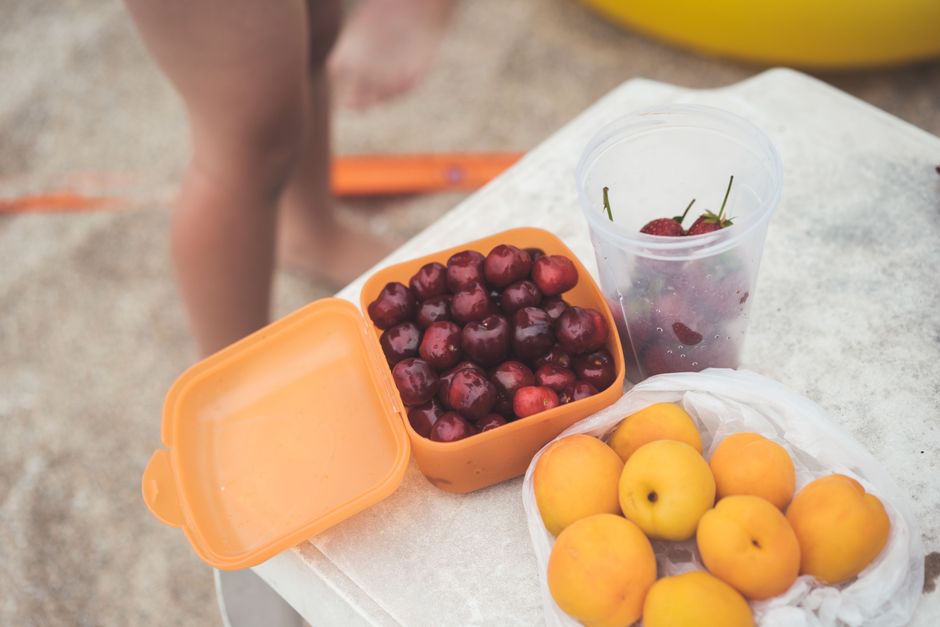
Is There Actually a “Healthiest” Fruit for Weight Loss?
Most people assume berries are the automatic winner for weight loss. The truth is more practical than that. The healthiest fruit for weight loss is the one you will actually eat regularly, but some fruits do have a real edge.
When asking what fruit is the healthiest for weight loss, the honest answer is that no single fruit melts fat. However, fruits with high water content, meaningful fiber, and a lower calorie density help you feel full on fewer calories. Berries, apples, and citrus fruits consistently show up in research as strong choices for this goal.
This article cuts through the hype. We will look at the actual nutritional differences, why portion size matters more than fruit type, and how to fit fruit into a weight loss plan without derailing your progress. You will not find any miracle claims here — just what the evidence supports.
Related Articles
Key Points at a Glance
| Point | What It Means | Why It Matters |
|---|---|---|
| Fiber content | Fruits like raspberries and pears provide 5–8 grams per serving | Fiber slows digestion and increases fullness |
| Water density | Watermelon, strawberries, and grapefruit are over 90% water | High water volume fills your stomach without many calories |
| Glycemic load | Berries and apples have a lower impact on blood sugar | Steadier blood sugar means fewer cravings later |
| Portion reality | Fruit calories add up quickly, especially dried fruit | Even healthy fruit needs a portion strategy |
| Consistency wins | The best fruit is the one you enjoy enough to repeat | Sustainable habits beat perfect choices |
What Makes a Fruit Better for Weight Loss?
Calorie density is the biggest factor. Fruits that are mostly water and fiber deliver volume without excess calories. A cup of strawberries has about 50 calories, while a cup of grapes has around 100 — same volume, double the calories.
Fiber matters more than most people realize. Research consistently shows that fiber intake is linked to lower body weight, partly because it slows stomach emptying and keeps you satisfied longer. Raspberries top the chart here, with 8 grams of fiber per cup — that is roughly a third of the daily recommended intake.
I always tell people to check how a fruit feels in their stomach, not just its reputation. A medium apple with the skin on gives you about 4 grams of fiber and takes real chewing time, which signals fullness to your brain.
Which Specific Fruits Rank Highest for Weight Loss?
Berries lead the group for weight loss purposes. Strawberries, blueberries, raspberries, and blackberries all combine high fiber with low sugar and moderate calories. Some studies suggest that anthocyanins — the compounds that give berries their color — may influence fat metabolism, though the evidence is still developing.
Apples deserve a close second. They are cheap, portable, and one medium apple provides around 95 calories with satisfying crunch and fiber. One study found that eating an apple before a meal reduced total calorie intake at that meal by roughly 15 percent. That is a practical trick, not a gimmick.
Citrus fruits like oranges and grapefruit also earn their place. Grapefruit is often claimed to boost metabolism, but strong clinical evidence for that specific effect is limited. What is clear is that grapefruit is low in calories, high in water, and filling.
My honest observation from years of writing about nutrition: the people who succeed with fruit for weight loss pick two or three favorites and rotate them. They do not chase exotic superfruits — they keep apples and frozen berries in the house at all times.
Does Fruit Sugar Hurt Weight Loss Efforts?
Whole fruit is not the problem — fruit juice is. The fiber in whole fruit changes how your body processes the natural sugars. Juice removes that fiber, leaving a concentrated sugar hit that spikes blood sugar quickly.
Dried fruit deserves caution too. A cup of fresh grapes is about 100 calories, but a cup of raisins is over 400 calories because the water is gone. Portion control becomes critical with dried fruit, and most people underestimate how much they are eating.
Some research suggests that replacing processed snacks with whole fruit leads to better weight outcomes. The mechanism is simple: fruit displaces higher-calorie foods while providing volume and nutrients. This is a substitution strategy, not a magic bullet.
Practical tip: Keep a bowl of washed apples or clementines visible on your counter. When a craving hits, the friction of preparing a snack often decides what you eat. Visible fruit gets eaten; hidden fruit gets forgotten.
How Much Fruit Should You Eat While Losing Weight?
General dietary guidance suggests about two cups of fruit per day for most adults. That translates to roughly two to three servings, where one serving is a medium fruit or one cup of chopped fruit.
For weight loss specifically, fruit should take up space alongside protein and vegetables — not replace them. A balanced plate approach works better than cutting fruit out entirely. Eliminating fruit entirely can backfire because it often leads to sugar cravings later.
There is no established clinical guideline for a precise fruit calorie target during weight loss. The safest approach is to treat fruit as a snack or dessert replacement, not as a free pass to eat unlimited amounts. Two to three portions daily fits most sustainable plans.
What Fruit is the Healthiest for Weight Loss in Real Life?
The most accurate answer is that the healthiest fruit is the one you will eat consistently. Berries, apples, and citrus all have strong evidence behind them, but they only work if they fit your taste and lifestyle.
If you dislike grapefruit, forcing yourself to eat it will not help you lose weight. The research on fruit and weight loss is about patterns, not single foods. People who eat a variety of whole fruits tend to have healthier body weights than those who avoid fruit or drink juice instead.
My practical advice is to buy what is in season and affordable. Frozen berries are just as nutritious as fresh and often cheaper. Canned fruit in water, not syrup, is another budget-friendly option that still provides fiber and volume.
Frequently Asked Questions
Is eating fruit at night bad for weight loss?
No, eating fruit at night does not cause weight gain by itself. Total daily calorie intake matters more than timing, so fruit as a late snack is fine if it fits your overall plan.
Which fruit has the least sugar?
Berries and citrus fruits rank among the lowest in sugar. Raspberries have about 5 grams per cup, while strawberries have around 7 grams per cup.
Can you eat too much fruit while dieting?
Yes, fruit calories still count toward your daily total. Eating several pounds of fruit daily can slow weight loss because the calories add up, especially from dried fruit.
Are bananas bad for weight loss?
Bananas are not bad for weight loss, but they are higher in calories and sugar than most other fruits. A medium banana has about 105 calories, so portion size matters more than avoiding them entirely.
Is fruit juice as healthy as whole fruit?
No, fruit juice lacks the fiber that makes whole fruit filling. Juice also delivers more sugar per serving, which can spike blood sugar and increase cravings.
What is the best way to add fruit to a weight loss diet?
Swap fruit for processed desserts or sugary snacks, and pair it with protein like Greek yogurt or nuts. This combination improves fullness and keeps blood sugar steady.
Before you go, check your daily calorie needs with our TDEE Calculator to see how fruit fits into your target intake. Knowing your maintenance calories takes the guesswork out of portion decisions.

The TDEECAL Team writes about nutrition, metabolism, and fat loss the way we built our calculator, with real numbers and no hype. We dig into the research so you don’t have to guess.