What is the Recommended Dose of Berberine for Weight Loss
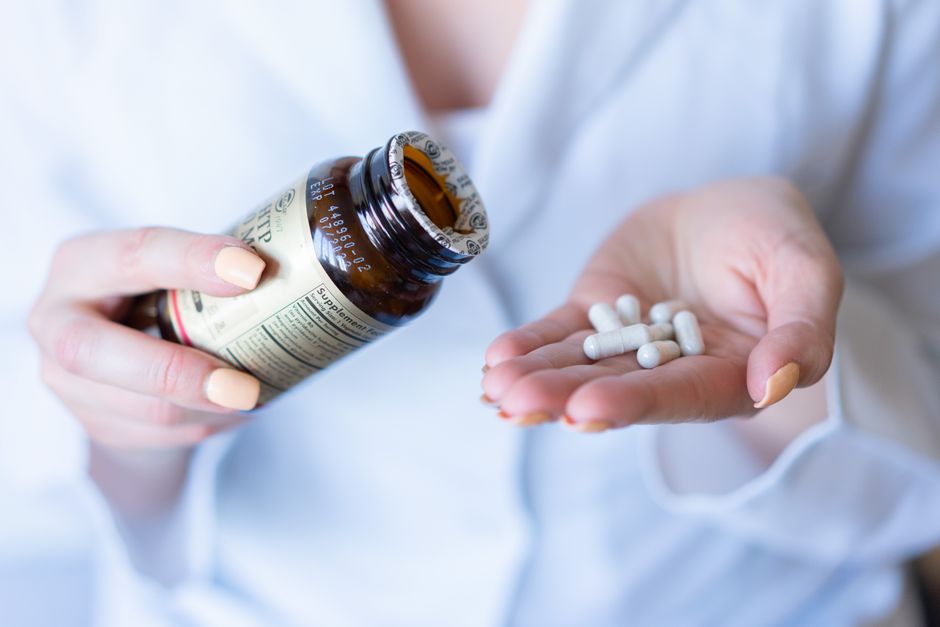
Most people who try berberine for weight loss take far less than what studies actually used, which explains why so many see no results. The standard dose in clinical trials is 500 mg taken three times daily, for a total of 1,500 mg per day. This is what the recommended dose of berberine for weight loss looks like in most published research, though individual responses vary.
Berberine is not a magic pill. It is a plant compound with real effects on blood sugar and metabolism, but dosing matters enormously. Many supplement labels suggest lower amounts, which may work for blood sugar support but often fall short for weight loss outcomes seen in studies.
This guide breaks down what the research actually shows about dosing, timing, and what to expect. You will also learn why some people need to adjust their approach and when to talk to a doctor before starting.
Key Points at a Glance
| Point | What It Means | Why It Matters |
|---|---|---|
| Standard dose | 500 mg taken three times per day | This is the amount used in most clinical trials |
| Total daily intake | 1,500 mg per day | Higher doses have not shown better results in studies |
| Timing | Take with meals | Reduces stomach upset and improves absorption |
| Duration | Most studies run 8–12 weeks | Effects appear gradually, not overnight |
| Individual variation | Some people respond at lower doses | Start low and adjust based on tolerance |
How Much Berberine Do Studies Actually Use?
Research published in the Journal of Clinical Endocrinology and Metabolism used 500 mg of berberine three times daily for three months in people with type 2 diabetes. Participants saw meaningful reductions in blood sugar and modest weight loss averaging around 5 pounds. The same dosing pattern appears across most weight loss studies.
My own observation after years of writing about supplements: people who take berberine inconsistently or at half the studied dose rarely report weight changes. Consistency matters more than most people realize.
Practical tip: Set a phone alarm for each dose. Missing one dose per day cuts your total intake by a third, which can change your results.
What Is the Recommended Dose of Berberine for Weight Loss Based On?
The 1,500 mg daily total comes from a specific biological mechanism. Berberine activates an enzyme called AMPK, which helps regulate energy balance. Research shows this activation is dose-dependent, meaning higher amounts produce stronger effects until a saturation point around 1,500 mg daily.
Some studies suggest that splitting the dose matters as much as the total amount. Taking 500 mg three times daily keeps AMPK activation more consistent than taking 1,500 mg all at once. This is why the split dosing pattern appears in nearly every clinical trial.
No established clinical guideline exists specifically for berberine dosing in healthy adults seeking weight loss. The 1,500 mg figure comes from research protocols, not from regulatory bodies like the FDA.
What About Lower Doses?
Some supplement brands recommend 500 mg once or twice daily. This may support healthy blood sugar but has limited evidence for weight loss. Studies that showed weight changes consistently used the three-times-daily pattern.
If you are sensitive to supplements or have a sensitive stomach, starting at 500 mg daily for one week makes sense. Then increase to 500 mg twice daily, and finally three times daily. This gradual approach helps you identify side effects early.
I always tell readers to track their energy and digestion during the first two weeks. Berberine can cause mild digestive upset that usually passes, but if it persists, talk to your doctor.
How Long Before You See Results?
Most studies measure outcomes at 8 to 12 weeks. Weight loss in clinical trials averages 2 to 5 pounds over that period, though some people lose more. Blood sugar improvements often appear earlier, sometimes within two to four weeks.
Berberine is not a quick fix. It works gradually alongside diet and exercise changes. If you expect dramatic weekly drops, you will be disappointed.
One pattern I notice in reader feedback: people who pair berberine with a modest calorie deficit and daily walking see better results than those relying on the supplement alone. Berberine appears to support weight loss rather than cause it directly.
Are There Side Effects or Risks?
Berberine is generally well tolerated, but digestive issues are the most common complaint. Nausea, cramping, and loose stools affect roughly 5 to 10 percent of people in clinical trials. These effects usually fade within the first week.
More serious concerns involve drug interactions. Berberine can lower blood sugar significantly when combined with diabetes medications. It may also interact with blood pressure drugs and certain antidepressants.
If you take any prescription medication, talk to your doctor before starting berberine. This is not optional advice — the interaction risk is real and documented in case reports.
Safety note: Pregnant or breastfeeding women should not take berberine. No safety data exists for these populations, and some research suggests it may affect fetal development.
How to Choose a Quality Berberine Supplement
Look for berberine hydrochloride (berberine HCl) on the label. This form has the most research behind it. Avoid proprietary blends that hide the actual berberine content.
Third-party testing matters. Brands that use independent labs verify potency and purity. Check for a certificate of analysis on the company website or contact customer service directly.
I recommend avoiding capsules with added stimulants like caffeine or green tea extract. These complicate dosing and make it harder to know what is causing side effects. Plain berberine HCl is the cleanest option.
What to Pair With Berberine for Better Results
Studies show berberine works best alongside a reduced-calorie diet. One study combined berberine with a 500-calorie daily deficit and saw double the weight loss compared to diet alone. The supplement appears to enhance the effects of eating less.
Resistance training also complements berberine. The compound may improve insulin sensitivity, which helps muscles use glucose more efficiently after strength workouts. This combination supports body composition changes beyond scale weight.
Use our TDEE calculator to find your maintenance calories, then subtract 300 to 500 calories for weight loss. This gives you a concrete target to pair with your berberine routine.
Related Articles
Frequently Asked Questions
Can I take all 1,500 mg of berberine at once?
No, split the dose into three 500 mg servings taken with meals. Taking it all at once increases digestive side effects and may reduce absorption.
How long does berberine take to work for weight loss?
Most studies show measurable changes at 8 to 12 weeks. Some people notice appetite changes within the first month, but scale weight changes take longer.
Is 500 mg of berberine per day enough for weight loss?
No, 500 mg daily is below the studied dose for weight loss. Clinical trials consistently used 1,500 mg daily split into three doses.
Should I take berberine with food or on an empty stomach?
Take berberine with meals to reduce stomach upset. Food also helps with absorption and makes the blood sugar effects align with glucose spikes from eating.
Can I take berberine forever?
Most studies ran 8 to 12 weeks, so long-term safety data is limited. Many people cycle off after three months and take a break before restarting.
Does berberine interact with metformin?
Yes, combining them can cause blood sugar to drop too low. Talk to your doctor before taking berberine with any diabetes medication.

The TDEECAL Team writes about nutrition, metabolism, and fat loss the way we built our calculator, with real numbers and no hype. We dig into the research so you don’t have to guess.