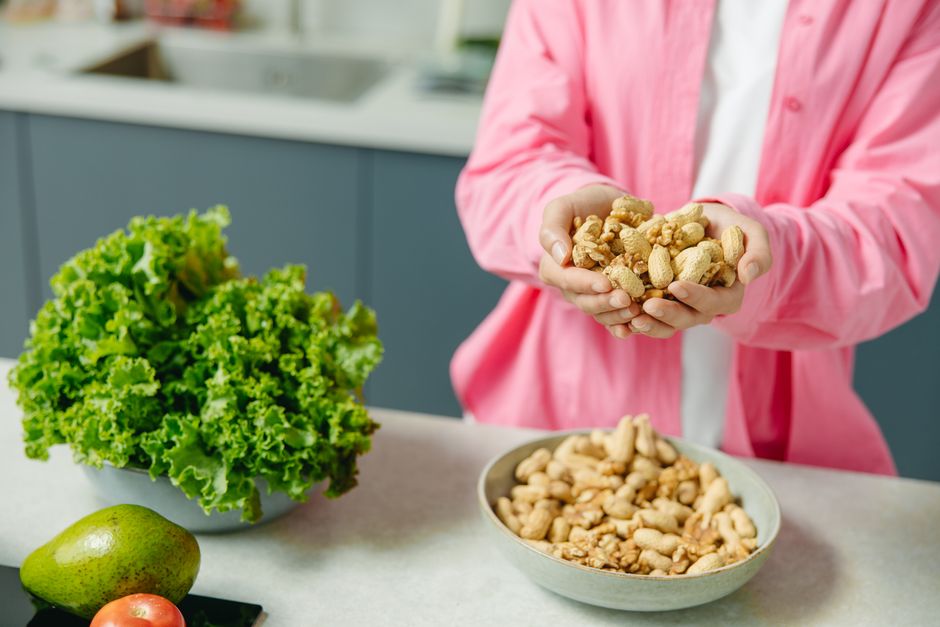
Peanuts and Weight Loss: The Honest Answer
Most people assume peanuts are too fatty to help with weight loss. That assumption misses the bigger picture about how fullness and calories actually work.
Yes, peanuts can be good for weight loss when eaten in controlled portions, because their protein and fiber help you feel full longer. The question “does peanut is good for” weight loss comes down to portion control, not the peanut itself. A standard serving is about one ounce, which is roughly 28 peanuts or two tablespoons of peanut butter.
What most articles skip is the practical side. Peanuts are calorie-dense, so eating them straight from the jar or bag rarely ends well. But used strategically, they can actually make a diet easier to stick with.
Key Points at a Glance
| Point | What It Means | Why It Matters |
|---|---|---|
| Calorie density | About 160-170 calories per ounce | Easy to overeat if you don’t measure |
| Satiety effect | Protein and fiber slow digestion | You eat less at the next meal |
| Portion control | One ounce is a true serving | Pre-portioning prevents mindless eating |
| Nutrient profile | Healthy fats, vitamin E, magnesium | Supports overall health during dieting |
| Research support | Studies link nut intake with lower BMI | Peanuts fit into weight management plans |
What Does the Research Actually Say?
Several large observational studies have found that people who eat nuts regularly tend to have lower body weight over time. Some research suggests this is because nuts promote satiety, meaning you naturally eat less later in the day.
A 2018 analysis in the European Journal of Nutrition looked at peanut consumption and weight management. The researchers concluded that peanuts do not promote weight gain when eaten in reasonable amounts. They also noted that peanut eaters often have better overall diet quality.
That said, the evidence is not a free pass. Peanuts are still roughly 50 percent fat by weight. The calories add up quickly if you eat them casually throughout the day.
Why Satiety Makes the Difference
The protein and fiber in peanuts slow down how quickly your stomach empties. That means you feel full for hours after a small serving. One study found that adding peanuts to breakfast helped participants eat less at lunch.
I always tell people to keep a single-serving bag at their desk. When the afternoon slump hits, you reach for something portioned instead of grabbing a handful from a family-size jar.
How Many Calories Are in Peanuts?
A one-ounce serving of dry-roasted peanuts contains roughly 160 to 170 calories depending on the brand and preparation. That serving provides about 7 grams of protein and 2.5 grams of fiber.
Peanut butter is similar. Two tablespoons run about 180 to 190 calories. The key difference is that peanut butter is easier to eat in larger amounts without noticing.
Here is the practical math. If you replace a 300-calorie snack with a 170-calorie serving of peanuts, you save 130 calories that day. Over a week, that adds up to nearly 1,000 calories saved. That is a meaningful difference for weight loss.
How to Eat Peanuts Without Sabotaging Your Progress
The single best strategy is pre-portioning. Buy individual snack packs or measure out servings into small containers at the start of the week. This removes the guesswork when hunger hits.
Pair peanuts with something low-calorie and high-volume. Apple slices with a tablespoon of peanut butter make a satisfying snack that stays under 200 calories. Celery sticks work the same way.
Avoid honey-roasted or chocolate-covered varieties. These add sugar that defeats the satiety benefit. Plain dry-roasted or raw peanuts are the better choice.
What About Peanut Butter?
Natural peanut butter with no added sugar or hydrogenated oil is the best option. Stir it well because the oil separates naturally. Refrigerate after opening to keep it from separating again.
I keep a measuring spoon in the jar. It sounds fussy, but it stops me from scooping out triple portions without thinking.
When Peanuts Work Against Weight Loss
Peanuts become a problem when they are eaten mindlessly. A handful here and there throughout the day can easily add 500 extra calories before dinner.
Trail mix is a common trap. The dried fruit and chocolate pieces make it easy to eat several servings at once. If you buy trail mix, pick out the peanuts and skip the rest.
Peanut butter on toast is another area where portions drift. Two tablespoons is a proper serving. Most people use closer to three or four.
Does Peanut is Good for Weight Loss Compared to Other Snacks?
Compared to processed snacks like crackers, chips, or granola bars, peanuts are a better choice. They offer more protein, more fiber, and less added sugar.
A study published in the journal Nutrients compared peanut snacks to rice cakes and found that peanuts produced greater fullness. Participants also reported less desire to eat later in the day.
The real comparison is between peanuts and no snack at all. If you are genuinely hungry between meals, a measured portion of peanuts beats skipping food and then overeating at dinner.
Frequently Asked Questions
Related Articles
Can eating peanuts every day help with weight loss?
Yes, when portions stay around one ounce daily. The protein and fiber help control hunger, which can reduce total daily calorie intake.
Are roasted or raw peanuts better for weight loss?
Both work equally well for weight loss. Choose dry-roasted without added oil or salt if you prefer the flavor.
How many peanuts should I eat per day for weight loss?
A one-ounce serving, about 28 peanuts, is a reasonable daily portion. This provides roughly 160 to 170 calories.
Does peanut butter cause weight gain?
Peanut butter only causes weight gain when eaten in large amounts. Two tablespoons per day fits into most weight loss plans.
Is it better to eat peanuts before or after a workout?
Either timing works, though some research suggests eating peanuts before exercise may help control appetite afterward. The difference is small, so choose what fits your schedule.
Can peanuts reduce belly fat specifically?
No food targets belly fat specifically. Peanuts support overall weight loss, which eventually reduces belly fat as total body fat decreases.
Understanding your total daily calorie needs matters more than any single food. Use the TDEE Calculator to find your maintenance calories and plan your peanut portions around that number.

The TDEECAL Team writes about nutrition, metabolism, and fat loss the way we built our calculator, with real numbers and no hype. We dig into the research so you don’t have to guess.