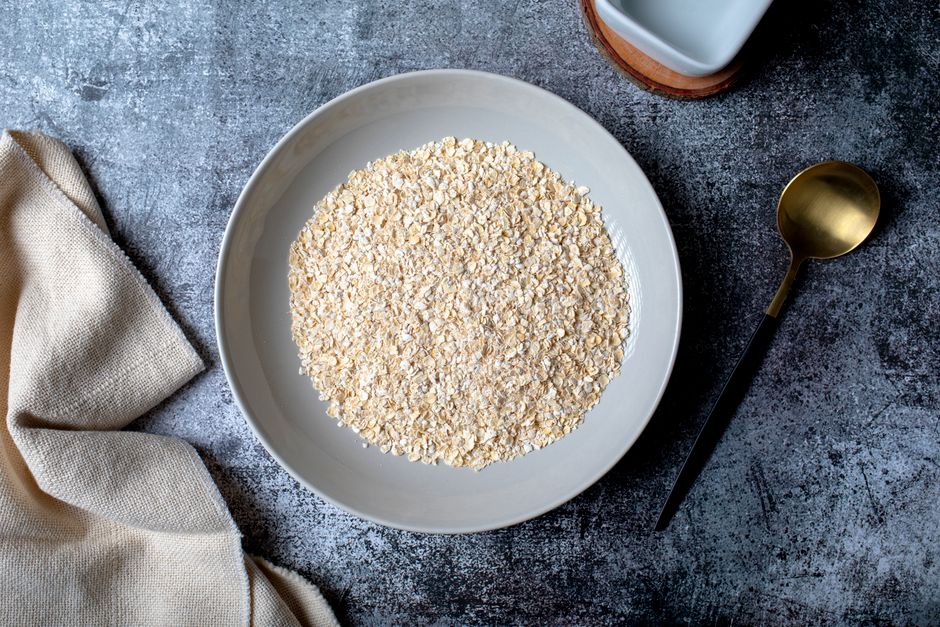
Oats have been sitting in American pantries for decades, yet the question of whether they actually help with weight loss still trips people up. The short answer is that oats can be a solid part of a weight loss plan, but how you prepare them and what you add changes everything.
So, is it oats good for weight loss? Yes, oats can support weight loss because they are high in fiber, which slows digestion and keeps you feeling full longer. A half-cup serving of dry rolled oats has about 150 calories and 4 grams of fiber, making it a filling breakfast choice. But the real answer depends on portion size, toppings, and whether you choose whole oats over heavily processed instant varieties.
Most articles tell you to eat oats and expect results. This one digs into what the research actually shows, how to portion them correctly, and why your bowl might be working against you without you realizing it.
Key Points at a Glance
| Point | What It Means | Why It Matters |
|---|---|---|
| Fiber content | Oats provide beta-glucan, a soluble fiber that slows digestion | Helps control appetite between meals |
| Calorie density | Dry oats are relatively low in calories per volume | You can eat a satisfying bowl for under 300 calories |
| Processing level | Steel-cut and rolled oats digest slower than instant | Slower digestion means longer fullness |
| Toppings matter | Brown sugar, honey, and dried fruit add quick calories | A healthy base can become a dessert in minutes |
| Satiety effect | Research links oatmeal to reduced hunger ratings | May help you eat less later in the day |
Is It Oats Good for Weight Loss Compared to Other Breakfasts?
Research consistently shows that oats outperform many common breakfast options when it comes to fullness. A well-known study compared oatmeal to corn flakes with the same calorie count and found that participants felt fuller and ate less at lunch after the oatmeal. The soluble fiber in oats forms a gel in your gut, which physically slows how quickly food leaves your stomach.
That said, oats are not magic. If you eat a 600-calorie bowl topped with nut butter, maple syrup, and banana slices, you will not lose weight just because oats are involved. The calorie math still applies. I always weigh my oats dry before cooking — eyeballing a serving can easily double the portion without you noticing.
Try this: Measure half a cup of dry rolled oats, cook with water or unsweetened almond milk, and add berries and a spoon of peanut butter. That bowl lands around 280 to 320 calories and holds most people for four hours.
How Many Calories Are in Oats and How Should You Portion Them?
A standard serving of dry rolled oats is half a cup, which comes to roughly 150 calories and about 27 grams of carbohydrates. Steel-cut oats are similar in calories but take longer to cook. Instant oats are slightly more processed, and while the calorie count is close, they digest faster, which means you may feel hungry sooner.
For weight loss, most women do well with one serving of dry oats as a base. That gives you room to add protein, healthy fats, and fruit without blowing past a reasonable calorie budget. If you are active or taller, a full cup of dry oats may be appropriate, but it is worth tracking for a few days to see how it fits your daily target.
One thing I have learned from years of cooking oats: always cook them with a pinch of salt. It sounds strange, but it makes the oats taste sweeter without adding sugar, which helps you skip the sweet toppings that pile on calories.
What Type of Oats Is Best for Weight Loss?
Steel-cut and rolled oats are the better choices for weight loss because they retain more of their structure, which slows digestion. Instant oats have been pre-cooked and pressed thinner, so your body breaks them down faster, leading to a quicker blood sugar rise and earlier hunger. The differences are modest, but they add up over weeks of daily breakfasts.
If you only have five minutes in the morning, rolled oats work fine — they cook in about five to seven minutes on the stove or two minutes in the microwave. Steel-cut oats need closer to twenty minutes unless you use a pressure cooker or overnight soaking method. I keep a jar of overnight oats in the fridge most weeks; it takes three minutes to assemble and is ready by morning.
Glycemic response is another factor. Some studies indicate that less processed oats produce a lower blood sugar spike compared to instant versions. For anyone managing insulin sensitivity alongside weight loss, that difference matters.
How to Build an Oatmeal Bowl That Supports Weight Loss
The base of a weight-loss-friendly oatmeal bowl is simple: one serving of oats, liquid, and a protein source. Protein is the missing piece for most people. A bowl of oats alone has about 5 grams of protein, which is not enough to keep you full until lunch. Adding Greek yogurt, eggs on the side, or a scoop of protein powder brings the total up to a more satisfying range.
Healthy fats like chia seeds, flaxseed, or a thin layer of almond butter add texture and slow digestion further. But these are calorie-dense, so measure them. Two tablespoons of chia seeds add about 120 calories; a tablespoon of almond butter adds around 100. Berries are the best fruit choice because they add fiber and sweetness for relatively few calories compared to bananas or dried fruit.
What you drink with your oats matters too. A large glass of orange juice adds 110 calories and 23 grams of sugar, which can undo the benefits of a modest breakfast. Water, black coffee, or unsweetened tea keeps the meal lean.
Watch the add-ins: A “healthy” oatmeal bowl with honey, dried cranberries, walnuts, and milk can easily reach 600 calories. That is a fine meal for some people, but it is not a light breakfast. Track it once to see where you actually land.
Can Oats Help You Eat Less During the Day?
Some research suggests that eating a high-fiber breakfast like oats reduces total daily calorie intake, simply because you feel fuller and snack less. The effect is not dramatic — we are talking about a few hundred calories at most — but over weeks, that adds up to real weight loss.
The evidence is not unanimous. Some studies show no significant difference in total daily intake between oatmeal and other breakfasts. What seems to matter most is that you enjoy what you eat and that it keeps you satisfied. If oats bore you by day three, you will abandon them, and that consistency matters more than any single food choice.
Frequently Asked Questions
Related Articles
Is it oats good for weight loss every day?
Yes, eating oats daily can support weight loss if your portions and toppings are controlled. Variety still matters, so rotate in eggs or Greek yogurt a few days a week to avoid burnout.
How many calories are in a bowl of oatmeal?
A basic bowl made with half a cup of dry oats and water has about 150 calories. Adding milk, fruit, nuts, or sweeteners can raise that to 300 to 500 calories quickly.
Are instant oats bad for weight loss?
Instant oats are not bad, but they digest faster and may leave you hungry sooner than rolled or steel-cut oats. If instant is all you have, add protein and fat to slow digestion.
Should I eat oats before or after a workout?
Oats work well about one to two hours before a workout because they provide steady energy. After a workout, pairing oats with protein helps with recovery.
Can oats cause weight gain?
Oats cause weight gain only if you eat more calories than your body burns. Large portions with calorie-dense toppings are the usual culprit, not the oats themselves.
What is the best way to sweeten oatmeal without sugar?
Mashed banana, cinnamon, vanilla extract, or a few berries add sweetness without refined sugar. These add minimal calories and bring natural flavor to the bowl.
If you want to know exactly how many calories you need for weight loss, use our TDEE Calculator to find your maintenance number and build a plan from there.

The TDEECAL Team writes about nutrition, metabolism, and fat loss the way we built our calculator, with real numbers and no hype. We dig into the research so you don’t have to guess.