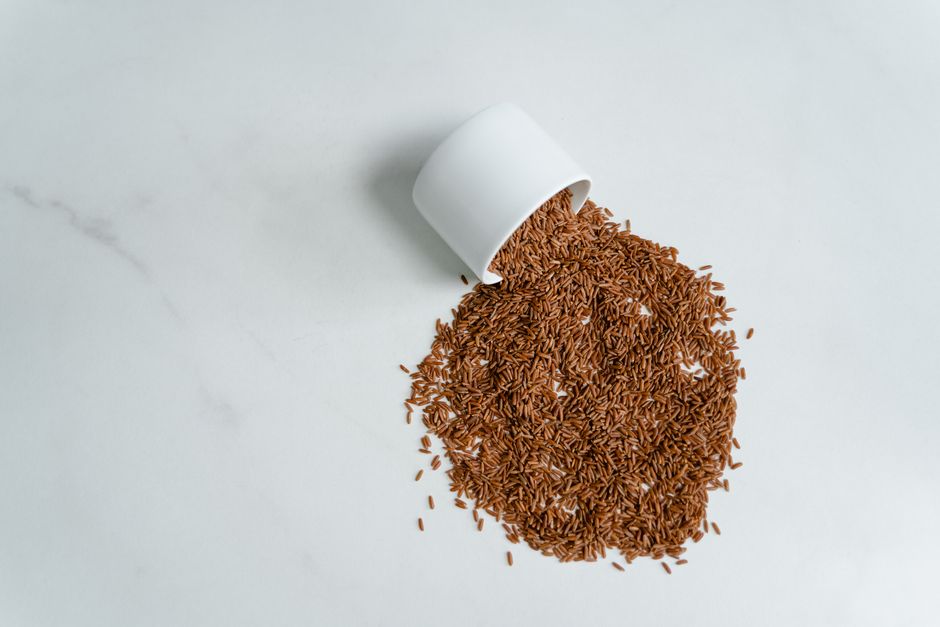
What to Replace Rice with for Weight Loss
White rice is a staple for millions of American families, but it is also one of the first foods people cut when they start counting calories. The good news is that you do not have to give up the comfort of a warm, filling bowl at dinner time.
When you ask what to replace rice with for weight loss, the honest answer is that you need a swap that is lower in calories, higher in protein or fiber, and still satisfying enough to keep you full until the next meal. Cauliflower rice, konjac noodles, and whole grains like quinoa or barley all fit this description, but they work differently in the kitchen and in your body.
Most weight loss advice focuses on cutting calories without addressing why you crave rice in the first place. You crave the texture, the warmth, and the way it soaks up sauce. This article covers practical replacements that respect those cravings while helping you stay in a calorie deficit.
We will also look at which swaps are backed by real evidence and which ones are just internet hype. You will leave with a clear plan for your next grocery trip.
Key Points at a Glance
| Point | What It Means | Why It Matters |
|---|---|---|
| Calorie density matters | Vegetable-based swaps have far fewer calories per cup than white rice | You can eat a larger portion for the same calories, which helps with satiety |
| Protein keeps you full | Quinoa and lentils provide more protein than white rice | Higher protein intake supports muscle retention during weight loss |
| Fiber slows digestion | Barley, farro, and riced vegetables contain more fiber than white rice | Fiber stabilizes blood sugar and reduces hunger between meals |
| Texture matters | No single swap works for every dish | Matching the replacement to the meal increases the chance you stick with it |
What Are the Best Low-Calorie Alternatives to White Rice?
The most effective swaps fall into two categories: vegetable-based and whole grain-based. Vegetable swaps like cauliflower rice and broccoli rice cut calories dramatically, but they do not fill you up the same way a grain does.
Cauliflower rice contains roughly 25 calories per cup, compared to about 200 calories for the same amount of cooked white rice. That is a massive difference. But you will likely feel hungry sooner after eating cauliflower rice alone, which is why many people combine it with a protein source like chicken or tofu.
Whole grain swaps like quinoa, barley, and farro are not much lower in calories than white rice, but they offer more protein and fiber per serving. Research published in the American Journal of Clinical Nutrition found that replacing refined grains with whole grains improved weight loss outcomes in overweight adults.
One trick I use in my own kitchen is to mix half cauliflower rice with half quinoa. You get the low calorie volume from the vegetables and the staying power from the quinoa. It is the best of both worlds.
How Do Grain Substitutes Compare for Weight Loss?
Quinoa is the most popular rice substitute, and for good reason. A cup of cooked quinoa provides about 8 grams of protein and 5 grams of fiber, while white rice offers only 4 grams of protein and less than 1 gram of fiber.
Barley is another strong option that often gets overlooked. It contains beta-glucan, a type of soluble fiber that some studies suggest helps with appetite control and blood sugar management. The chewy texture is different from rice, but it works well in soups and grain bowls.
Konjac rice, sometimes called shirataki rice, is the lowest calorie option available at roughly 10 calories per serving. It is made from glucomannan fiber, which expands in your stomach and promotes fullness. The tradeoff is that it has almost no nutritional value, and some people find the texture rubbery.
No strong clinical evidence currently supports konjac rice as a weight loss tool on its own. It can help you reduce calories, but it will not solve hunger on its own.
What to Replace Rice with for Weight Loss in Specific Dishes
The best replacement depends entirely on what you are cooking. For stir-fries, cauliflower rice works beautifully because it absorbs sauce and cooks quickly. For curries and stews, you want something that holds its shape, like barley or farro.
For burrito bowls and Mexican-inspired meals, riced broccoli or cauliflower with lime and cilantro is a fresh alternative. For fried rice cravings, use cauliflower rice with eggs, peas, and a splash of soy sauce. The eggs add protein that the cauliflower lacks.
If you are making a rice pilaf or a side dish for roasted meat, try quinoa cooked in chicken broth with a little lemon zest. It mimics the fluffy texture of rice while adding a nutty flavor that complements the main dish.
One mistake people make is expecting a substitute to taste exactly like rice. It will not. But after a few weeks, your palate adjusts, and the vegetable versions become their own enjoyable dish.
Which Rice Alternatives Are Not Worth Your Money?
Green banana rice and lentil rice products are marketed as healthy swaps, but they are often highly processed and contain added starches. Check the ingredient label before buying anything that claims to be a “rice alternative” in a box.
Cauliflower rice sold in the freezer section is fine, but be careful with seasoned versions that include added sugar or sodium. A plain bag of frozen cauliflower rice should only list cauliflower as the ingredient.
Some research suggests that resistant starch, found in cooled and reheated rice, may reduce the blood sugar impact of rice. But this does not mean you should keep eating white rice in unlimited amounts if your goal is weight loss. The calorie difference still matters.
I always check the frozen vegetable aisle for plain riced vegetables without seasoning. The seasoned versions often add 50 to 100 calories per serving from oils and sugar, which defeats the entire purpose of the swap.
Frequently Asked Questions
Related Articles
Is cauliflower rice actually good for weight loss?
Yes, cauliflower rice is an effective weight loss tool because it replaces a 200-calorie serving of white rice with one that has about 25 calories. It also provides fiber and vitamin C, though you will need to pair it with protein to stay full.
How many calories are in a serving of quinoa?
A cup of cooked quinoa contains roughly 220 calories, which is similar to white rice but with more protein and fiber. It is not a low-calorie food, but it is more filling per calorie than refined rice.
Can I eat rice and still lose weight?
Yes, you can eat white rice and still lose weight as long as you maintain a calorie deficit. The issue is portion control, because rice is calorie-dense and easy to overeat.
What rice substitute tastes most like white rice?
Cauliflower rice is the closest in appearance and texture, especially when cooked until slightly tender. Konjac rice is closer in shape but has a very different, chewier texture that many people find off-putting.
Is barley better than quinoa for weight loss?
Both are nutritious, but barley has more fiber per serving, which may help with appetite control. Quinoa has more protein, so the better choice depends on what else you are eating in the meal.
To figure out exactly how many calories you need each day for weight loss, use our TDEE calculator to get a personalized number. It takes less than a minute and gives you a realistic target based on your age, height, weight, and activity level.
Start with one swap this week, whether that is cauliflower rice in your stir-fry or barley in your soup. Track how you feel after the meal. You will likely notice that the vegetable swaps leave you lighter, while the whole grain swaps keep you full for hours. Both are useful tools depending on the situation.

The TDEECAL Team writes about nutrition, metabolism, and fat loss the way we built our calculator, with real numbers and no hype. We dig into the research so you don’t have to guess.