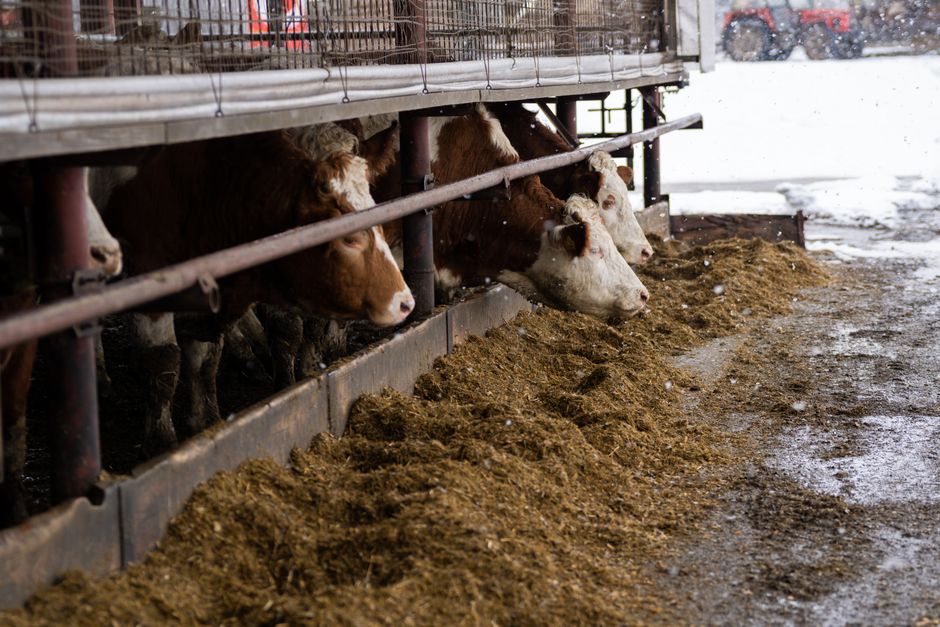
Is Cow Meat Good for Weight Loss? Here’s What the Evidence Says
Beef often gets a bad reputation when you’re trying to lose weight. But the truth is more complicated than the headlines suggest.
Yes, cow meat can be good for weight loss when you choose lean cuts and watch your portions. Beef is packed with protein, which helps you feel full longer and preserves muscle mass while you lose fat. The key is picking the right cuts and cooking methods, since some options are much higher in calories and saturated fat than others.
Most generic advice tells you to avoid red meat entirely, but that ignores the nuance. This article breaks down which cuts actually support weight loss, how much protein you really need, and how to fit beef into a calorie deficit without sabotaging your progress.
Key Points at a Glance
| Point | What It Means | Why It Matters |
|---|---|---|
| Protein density | Lean beef provides 25-30g protein per 100g | Protein increases fullness and supports muscle retention |
| Calorie differences | Lean cuts range from 150-250 calories per 100g | Fatty cuts can contain double the calories |
| Saturated fat | Amount varies widely by cut and grading | Heart health guidelines recommend limiting intake |
| Portion control | Recommended serving is 85-100g cooked | Larger portions quickly exceed calorie goals |
What Makes Beef Helpful for Weight Loss?
Protein is the main reason beef supports weight loss efforts. Research consistently shows that high-protein diets increase satiety, meaning you feel fuller after meals and naturally eat less later. A 100-gram serving of lean beef provides roughly 25 to 30 grams of protein, which is a substantial contribution toward your daily needs.
Beef also contains nutrients that support overall health during weight loss. Iron, zinc, and B vitamins are all present in meaningful amounts, which matters because restrictive diets can leave you short on these nutrients. I always tell people to think of beef as a tool, not a villain — it’s about how you use it.
Which Cuts Are Best for Weight Loss?
The cut you choose makes a massive difference in calories. Here’s what to look for:
- Sirloin steak: About 150-180 calories per 100g cooked
- Eye of round: Roughly 150 calories per 100g cooked
- Lean ground beef (93% lean): About 170-200 calories per 100g cooked
- Ribeye or T-bone: Can reach 250-300 calories per 100g cooked
When I cook for myself, I always trim visible fat before cooking. It’s a small step that saves you 50 to 80 calories per serving without changing the flavor much.
How Much Protein Do You Actually Need?
For weight loss, most research suggests aiming for 1.6 to 2.2 grams of protein per kilogram of body weight daily. For a 160-pound woman, that’s about 116 to 160 grams of protein per day. A single 100-gram serving of beef covers roughly a quarter of that target.
Spreading protein across meals matters more than loading it all into one sitting. Your body uses protein more efficiently when you distribute it throughout the day. I recommend pairing a smaller beef portion with other protein sources like eggs, Greek yogurt, or legumes to hit your daily target without going overboard on calories.
Is Cow Meat Good for Weight Loss Compared to Chicken or Fish?
Is cow meat good for weight loss when compared to lean poultry or fish? The answer depends on the cut and preparation. Skinless chicken breast and white fish are generally lower in calories and saturated fat than most beef cuts. But lean beef can fit into the same calorie range when you choose wisely.
The bigger factor is variety. Some studies suggest that eating a mix of protein sources provides a broader range of nutrients than relying on one type. I rotate between beef, chicken, fish, and plant proteins across the week — this keeps meals interesting and covers all my nutritional bases.
How Often Should You Eat Beef While Losing Weight?
There’s no strict rule that says you must limit beef to a certain number of meals per week. The American Heart Association recommends limiting saturated fat to about 13 grams per day on a 2,000-calorie diet. One serving of lean beef contains roughly 2 to 3 grams of saturated fat, which leaves room for other foods.
The practical approach is to treat beef as one protein option, not the centerpiece of every meal. Two to three servings per week is a reasonable target for most people losing weight. If you have heart disease or high cholesterol, talk to your doctor about what intake makes sense for you.
Common Mistakes That Sabotage Weight Loss With Beef
The biggest mistake I see is focusing only on the meat itself while ignoring what’s served with it. A lean sirloin paired with a loaded baked potato and butter-soaked vegetables quickly becomes a 700-calorie meal. The same steak with roasted broccoli and a small sweet potato stays under 450 calories.
Another mistake is relying on processed beef products. Bacon, sausages, and deli meats are often high in sodium and preservatives, which can cause water retention and make the scale misleading. Stick with fresh cuts you cook yourself for the most control over what goes into your meal.
Frequently Asked Questions
Related Articles
Is cow meat good for weight loss or does it cause weight gain?
Beef itself does not cause weight gain — excess calories do. Lean beef in appropriate portions supports weight loss through its high protein content.
How many calories are in a typical serving of lean beef?
A 100-gram serving of cooked lean beef contains roughly 150 to 200 calories. Fatty cuts like ribeye can reach 300 calories for the same portion size.
What is the best beef cut for losing belly fat?
No specific cut targets belly fat, but lean cuts like sirloin and eye of round support overall fat loss. Total calorie intake matters more than the specific cut you choose.
Can you eat beef every day while trying to lose weight?
Daily beef consumption can fit into a weight loss plan if portions are controlled and you choose lean cuts. Most health guidelines suggest varying your protein sources for better nutrient diversity.
Does grass-fed beef have fewer calories than grain-fed beef?
Grass-fed and grain-fed beef are similar in calories, but grass-fed tends to have slightly less saturated fat. The difference is small enough that cut selection matters more than the feeding method.
How much protein is in a serving of cooked beef?
A 100-gram serving of cooked lean beef provides approximately 25 to 30 grams of protein. This covers about 20 to 25 percent of a typical daily protein target for weight loss.
Use our TDEE calculator to determine your exact calorie needs for weight loss, then plan your beef portions around that number.

The TDEECAL Team writes about nutrition, metabolism, and fat loss the way we built our calculator, with real numbers and no hype. We dig into the research so you don’t have to guess.