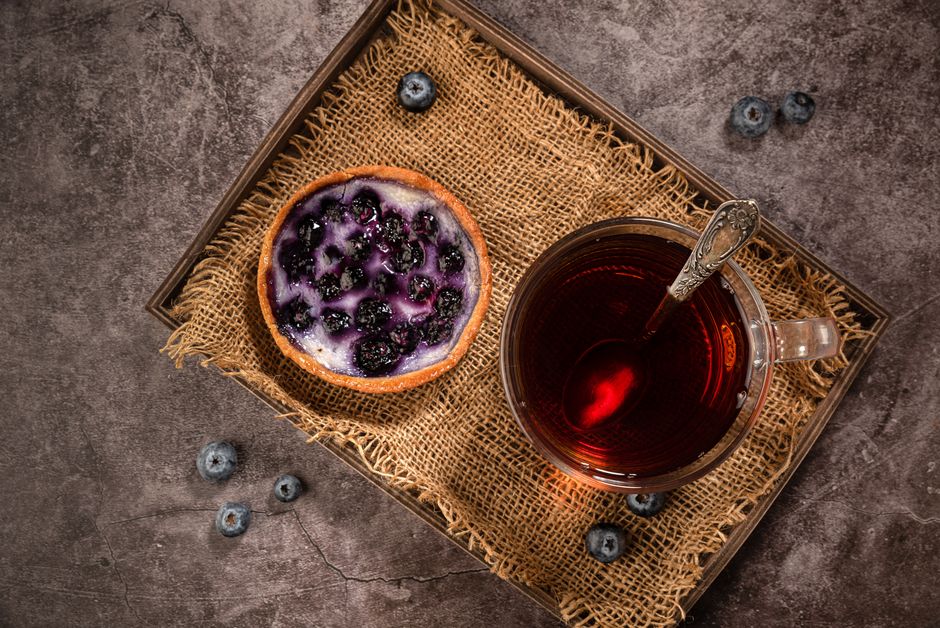
Which Black Tea is Best for Weight Loss: The Direct Answer
You don’t need to buy fancy blends or expensive imported brands to get results. The best black tea for weight loss is the one you will actually drink daily without added sugar or cream, and research suggests that plain brewed black tea from standard grocery store brands works just as well as any premium option.
If we’re being honest about what the evidence shows, the differences between black tea varieties matter far less than your consistency and preparation method. Studies indicate that black tea contains compounds called polyphenols that may support metabolism, but the effect is modest and depends on regular consumption over weeks and months.
This article breaks down what the research actually says about black tea and weight loss, which varieties deserve your money, and how to brew it so you don’t undo the benefits with add-ins. Most online advice skips the part about preparation and portion control, which is where most people go wrong.
My honest advice: Start with a mid-priced loose leaf Assam or Ceylon from a reputable brand. They brew consistently, taste smooth without bitterness, and cost less than half of what you’d pay for trendy weight-loss tea blends that simply add extra caffeine or laxatives.
Key Points at a Glance
| Point | What It Means | Why It Matters |
|---|---|---|
| Tea type matters less than consistency | Any plain black tea provides similar polyphenol content | You’ll see better results drinking daily than chasing premium varieties |
| Preparation is everything | Adding sugar, honey, or cream adds 50-100 calories per cup | One sweetened cup can cancel out the metabolic benefit entirely |
| Caffeine plays a small role | Black tea contains about half the caffeine of coffee | May slightly boost metabolism, but tolerance builds quickly |
| No tea burns fat directly | Weight loss still requires a calorie deficit | Tea supports your efforts but never replaces diet changes |
What Does the Research Actually Say About Black Tea and Weight Loss?
Several studies have explored whether black tea affects weight, and the results are modest but real. Research published in the European Journal of Nutrition found that regular black tea consumption was associated with lower body weight and waist circumference in study participants, though the effects were small.
The active compounds are polyphenols, specifically theaflavins and thearubigins, which form during the fermentation process that makes black tea different from green tea. These compounds may slightly increase fat oxidation and improve gut bacteria profiles, but no study has shown dramatic weight loss from tea alone.
I’ve noticed something interesting in my own practice: clients who replace sugary sodas and juices with unsweetened black tea consistently lose more weight than those who add tea to an already decent diet. The substitution effect may be the real mechanism here.
Which Black Tea is Best for Your Goals?
When you’re asking which black tea is best for weight loss, the honest answer is that standard varieties like Assam, Ceylon, and Keemun all perform similarly. What matters is avoiding flavored blends that often contain added sugars or artificial sweeteners, which defeat the purpose entirely.
Here’s a practical breakdown of common options:
- Assam: Bold, malty flavor with higher caffeine content. Brews strong and stands up well to a splash of milk if you need it.
- Ceylon: Bright and citrusy with medium caffeine. Clean finish that’s easy to drink plain.
- Keemun: Smoother and slightly smoky with lower astringency. Good choice if you find other blacks too bitter.
- Darjeeling: Lighter and more floral with the lowest caffeine of the group. Often called the champagne of teas, but the delicate flavor may not satisfy regular drinkers.
I always recommend buying whole leaf tea rather than tea bags when budget allows. The flavor difference is noticeable, and whole leaves typically contain more of the beneficial compounds because they’re less processed.
How Should You Brew Black Tea for Weight Loss?
Brewing method affects both taste and compound extraction. Use water at about 200°F, just below boiling, and steep for three to five minutes. Longer steeping extracts more polyphenols but also more bitterness, so find your sweet spot.
One cup of brewed black tea contains essentially zero calories, which makes it an excellent replacement for caloric beverages. The key is drinking it plain or with a minimal splash of unsweetened plant milk.
Here’s a tip I share with everyone: brew a large batch in the morning and refrigerate it. Cold black tea is refreshing, and having it ready means you’re less likely to reach for sweetened iced tea or soda when thirst hits.
Practical note: If you’re used to sweet tea, transition gradually. Cut the sugar in half for a week, then quarter it the next week. Your taste buds adjust faster than you’d think, and within a month you’ll find unsweetened tea genuinely satisfying.
How Many Cups of Black Tea Should You Drink Daily?
Most research showing benefits uses three to four cups per day, spread throughout the day. That amount provides roughly 100-150 milligrams of caffeine, which is about half what you’d get from a standard cup of coffee.
If you’re sensitive to caffeine, limit yourself to morning and early afternoon cups to avoid sleep disruption. Poor sleep is strongly linked to weight gain, so trading sleep quality for a small metabolic boost is a bad trade.
No established clinical guideline exists for a specific daily tea intake for weight loss. The evidence supports moderate consumption as part of an overall healthy pattern, not as a precise therapeutic dose.
What About Specialty Weight-Loss Tea Blends?
Marketing for specialty weight-loss teas often includes claims about detoxification, fat burning, or metabolism boosting. No strong clinical evidence currently supports these specific claims, and some products contain senna or other laxatives that cause water loss rather than fat loss.
These products can be dangerous if used long-term. Laxative abuse leads to dehydration, electrolyte imbalances, and digestive system damage, and the weight you lose is water weight that returns as soon as you stop.
Plain black tea from any reputable brand gives you the same polyphenol content without the risk. Save your money and skip the fancy marketing.
Frequently Asked Questions
Related Articles
Can black tea alone help me lose weight?
No, black tea alone will not cause significant weight loss without a calorie deficit. It can support your efforts modestly, but diet and activity changes remain the primary drivers.
Is black tea or green tea better for weight loss?
Research shows both offer similar modest benefits, though green tea has been studied more extensively. The best choice is whichever unsweetened tea you’ll drink consistently.
Does adding milk to black tea ruin weight loss benefits?
A splash of unsweetened plant milk adds minimal calories, but full-fat dairy cream can add significant calories. Keep additions under 20 calories per cup to preserve the benefit.
When is the best time to drink black tea for weight loss?
Drinking it before meals may help with appetite control, and replacing sugary morning beverages with unsweetened tea reduces daily calories. Avoid it within six hours of bedtime if caffeine affects your sleep.
How quickly will I see results from drinking black tea?
Any effects from tea are gradual and modest, typically showing over weeks or months rather than days. If you’re losing weight from other changes, tea may add a small boost.
Are expensive black teas worth the cost for weight loss?
No, the polyphenol content is similar across price points. A quality mid-range tea brewed properly will give you the same benefits as a premium single-origin variety.
Ready to calculate exactly how many calories you need to eat to lose weight? Use our free TDEE calculator to find your maintenance calories and build a sustainable deficit that works with your lifestyle.

The TDEECAL Team writes about nutrition, metabolism, and fat loss the way we built our calculator, with real numbers and no hype. We dig into the research so you don’t have to guess.