Cottage cheese often shows up on weight loss grocery lists, but many women wonder if it actually helps or hurts their progress. The answer depends on which type you buy and how much you eat.
Is cottage cheese fattening for weight loss? No, cottage cheese is not fattening for weight loss when you choose the right variety and control your portion size. A half-cup serving of low-fat cottage cheese contains roughly 90 to 120 calories and about 12 to 14 grams of protein, making it a filling option that supports weight loss efforts.
Most women trying to lose weight have been told to eat cottage cheese for years, yet confusion remains about whether it truly fits into a calorie-controlled diet. The reality is that cottage cheese can be a helpful tool, but the version you pick matters more than you might think. Full-fat varieties with added cream can double the calories, while plain low-fat options keep your daily calorie budget intact.
This article covers what the research actually says about cottage cheese and weight loss, how to choose the right type, and practical ways to include it without derailing your progress. You will also find answers to common questions about portion sizes, fat content, and how cottage cheese compares to other protein sources.
Key Points at a Glance
| Point | What It Means | Why It Matters |
|---|---|---|
| Calorie content | Low-fat cottage cheese has about 90 to 120 calories per half-cup | Fits easily into a weight loss calorie budget |
| Protein amount | Roughly 12 to 14 grams per half-cup serving | Helps you feel full and preserves muscle during weight loss |
| Fat varieties | Full-fat versions range from 150 to 180 calories per half-cup | Higher calorie count requires careful portion control |
| Sodium levels | Some brands contain 300 to 400 mg per serving | High sodium can cause water retention and bloating |
| Satiety effect | Protein-rich foods increase fullness compared to carbs alone | May reduce overall daily calorie intake naturally |
Is Cottage Cheese Fattening for Weight Loss or Helpful?
Cottage cheese is not inherently fattening, but the answer changes based on the specific product you select. Plain low-fat cottage cheese provides a strong protein-to-calorie ratio that supports weight loss, while sweetened or cream-added versions can work against your goals. The key is reading labels carefully and understanding that not all cottage cheese is created equal.
Research consistently shows that high-protein foods increase satiety, meaning they keep you feeling full longer than refined carbohydrates. A study published in the journal Appetite found that cottage cheese produced similar fullness ratings to eggs, another well-regarded protein source. This matters because feeling satisfied between meals often leads to eating fewer calories throughout the day without constant effort.
How Many Calories Are in Cottage Cheese?
Calorie counts vary widely depending on the milk fat percentage and whether any cream is added. A half-cup of low-fat (1 percent) cottage cheese contains roughly 90 to 100 calories, while full-fat (4 percent) versions run about 110 to 120 calories. Brands that add cream for texture can reach 150 to 180 calories for the same portion.
This range matters because a difference of 60 to 80 calories per serving adds up quickly if you eat cottage cheese daily. Over a week, choosing a cream-added variety could add nearly 500 extra calories compared to a plain low-fat option. For weight loss, those calories are better spent on vegetables or additional protein.
What Is the Best Cottage Cheese for Weight Loss?
Low-fat cottage cheese with no added cream offers the best balance for weight loss. Look for products labeled 1 percent or 2 percent milkfat, and check that the ingredient list contains only milk, cream, salt, and live cultures. Avoid versions with fruit, honey, or sweeteners, as these add significant sugar and calories.
Sodium content deserves attention too. Some brands pack 300 to 400 milligrams of sodium per half-cup, which can cause water retention and temporary weight fluctuations on the scale. Compare labels and choose brands with lower sodium when possible, especially if you already eat a salty diet.
How Much Cottage Cheese Should You Eat for Weight Loss?
A standard serving size is half a cup, which provides a satisfying amount of protein without breaking your calorie budget. Some women find that a full cup works better as a meal replacement, especially when combined with vegetables or fruit. Start with half a cup and adjust based on your hunger levels and total daily calorie needs.
Your individual calorie target depends on factors like age, activity level, and current weight. Using a TDEE calculator can help you determine how many calories you need each day for weight loss, then fit cottage cheese into that number. Most women aiming to lose weight target between 1,400 and 1,800 calories daily, though this varies by person.
Does Cottage Cheese Help You Lose Belly Fat?
No food targets belly fat specifically, and cottage cheese is no exception. Spot reduction is a myth, and the only way to lose belly fat is to reduce overall body fat through a consistent calorie deficit. Cottage cheese can support this process because its protein content helps preserve muscle mass while you lose weight.
Research indicates that higher protein intake during weight loss helps maintain lean muscle, which keeps your metabolism running efficiently. The calcium in cottage cheese has also been studied for its potential role in weight management, though evidence remains mixed. Some studies suggest adequate calcium intake supports fat loss, but results vary and more research is needed.
Frequently Asked Questions
Related Articles
Can you eat cottage cheese every day while losing weight?
Yes, eating cottage cheese daily can support weight loss if you choose a low-fat variety and control portions. Just be mindful of sodium intake and vary your protein sources for nutritional balance.
Is full-fat cottage cheese bad for weight loss?
Full-fat cottage cheese is not bad for weight loss, but it contains more calories than low-fat versions. You can still include it if you account for the extra calories in your daily budget.
What is the healthiest cottage cheese to buy?
The healthiest option is plain low-fat cottage cheese with no added sugar, fruit, or sweeteners. Look for brands with lower sodium and a short ingredient list.
Is cottage cheese better than Greek yogurt for weight loss?
Both are excellent high-protein options with similar calorie counts. Cottage cheese contains slightly more protein per serving, while Greek yogurt offers probiotics and often less sodium.
Does cottage cheese cause bloating?
Cottage cheese can cause bloating in some people due to lactose or high sodium content. If you notice bloating, try a lactose-free version or rinse the cheese to reduce sodium.
What should you eat with cottage cheese for weight loss?
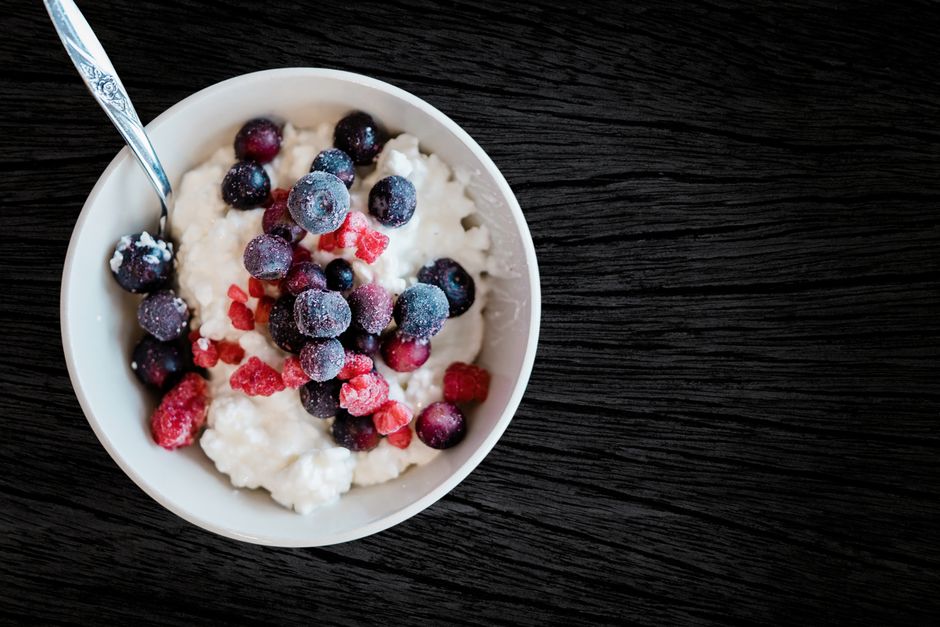
Pair cottage cheese with vegetables, berries, or a small portion of whole grains for a balanced meal. Adding fiber-rich foods helps increase fullness and slows digestion.
Cottage cheese fits into a weight loss plan when you choose wisely and watch portions. The protein keeps you satisfied, the calories stay reasonable, and the versatility makes it easy to include in meals and snacks. Pay attention to labels, avoid added sugars and cream, and let your hunger guide your portion size.
If you are unsure how cottage cheese fits into your specific calorie needs, use a TDEE calculator to establish your daily target. That number gives you the framework to enjoy cottage cheese without guessing whether it helps or hurts your progress.

The TDEECAL Team writes about nutrition, metabolism, and fat loss the way we built our calculator, with real numbers and no hype. We dig into the research so you don’t have to guess.