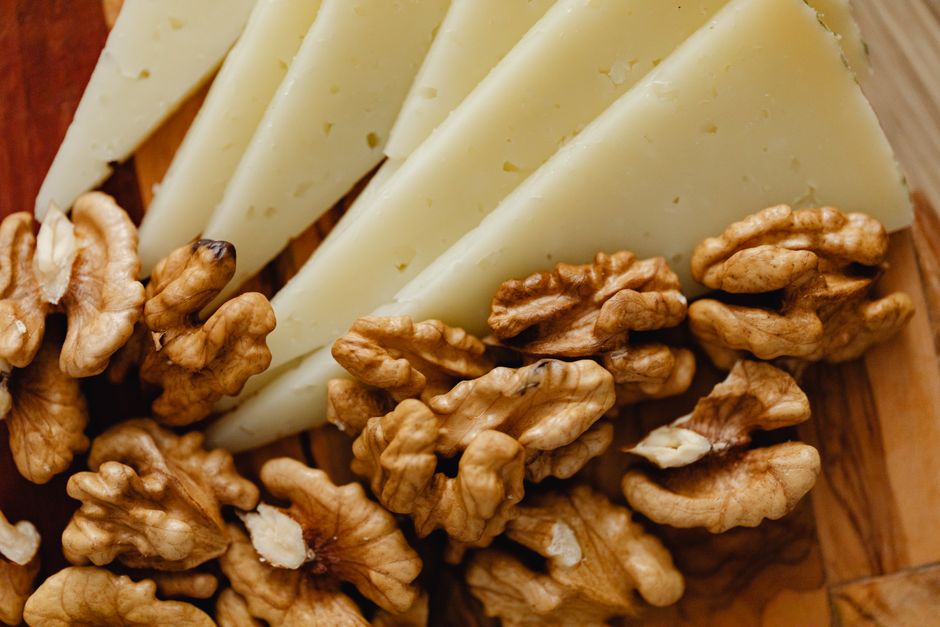
Most people assume cheese is off-limits during weight loss, but that belief doesn’t match what the research actually shows. Cheese can fit into a weight loss plan when you choose the right types and watch your portions carefully.
When asking what cheese is best for weight loss, the answer comes down to protein content, calorie density, and portion control. Lower-fat cheeses like part-skim mozzarella, cottage cheese, and feta deliver solid protein without excessive calories. These options help you feel full while keeping your daily calorie total in check.
The confusion most people face is real. Grocery store cheese aisles are overwhelming, and marketing labels like “light” or “reduced-fat” don’t always mean better choices. This guide breaks down the actual nutritional numbers, explains which cheeses help with satiety, and gives you practical ways to enjoy cheese without derailing your progress.
You’ll also learn why portion size matters more than the specific cheese, and how to handle common pitfalls like cheese boards and restaurant portions. No gimmicks, no elimination diets — just evidence-based guidance you can use today.
Key Points at a Glance
| Point | What It Means | Why It Matters |
|---|---|---|
| Protein density | Cheeses with more protein per calorie keep you fuller longer | Helps reduce overall daily calorie intake naturally |
| Calorie control | Hard cheeses are calorie-dense; soft cheeses often are not | Prevents accidental overeating that stalls weight loss |
| Portion strategy | Weighing cheese rather than eyeballing prevents portion distortion | Most people underestimate cheese portions by 2-3 times |
| Sodium awareness | Some cheeses contain high sodium that affects water retention | Can cause misleading scale readings during weight loss |
| Satiety pairing | Cheese with fiber-rich foods increases fullness | Creates sustainable meals that prevent snacking later |
What Cheese is Best for Weight Loss: The Top Choices
Part-skim mozzarella stands out as a top pick. One ounce delivers about 6 grams of protein for roughly 72 calories, making it one of the most protein-efficient cheeses available. Cottage cheese is another strong option, with a half-cup providing around 12 grams of protein for approximately 90 calories depending on the brand and milk fat percentage.
Feta cheese offers bold flavor with moderate calories — about 75 calories and 4 grams of protein per ounce. Because feta is so flavorful, you often need less of it to satisfy your taste buds. Swiss cheese and low-fat cheddar also perform well, each offering roughly 7-8 grams of protein per ounce with calorie counts between 90 and 110.
Practical tip: I always keep a food scale on my kitchen counter. Weighing cheese for one week trains your eye to recognize accurate portions, and that skill sticks with you long after the scale goes back in the drawer.
Parmesan deserves mention too. It’s calorie-dense at about 110 calories per ounce, but a tablespoon of grated parmesan adds significant flavor to vegetables or salads for only about 20 calories. This makes it a smart flavor tool rather than a main protein source.
Which Cheeses Should You Limit or Avoid?
Some cheeses are harder to fit into a weight loss plan, not because they’re “bad,” but because their calorie density makes portion control difficult. Aged cheddar, brie, and gouda all hover around 110-120 calories per ounce. That’s not excessive, but these cheeses are easy to overeat because they’re so satisfying.
Processed cheese products deserve extra caution. American cheese slices and cheese spreads often contain added fats, sodium, and fillers that increase calories without adding meaningful protein. A single slice of processed American cheese has about 60-80 calories but only 3-4 grams of protein — a poor trade compared to natural cheese.
Cream cheese and mascarpone are the most calorie-dense options. Two tablespoons of regular cream cheese contain roughly 100 calories and only 2 grams of protein. These are fine as occasional treats, but they shouldn’t be daily staples when you’re trying to lose weight.
How Much Cheese Can You Eat While Losing Weight?
There’s no single magic number, but most nutrition research supports a portion-based approach. A reasonable serving is 1 to 2 ounces of hard cheese or about half a cup of cottage cheese per day. This delivers meaningful protein and calcium while keeping calories manageable.
Your total daily calorie target matters more than any specific cheese choice. If your daily calorie goal is 1,500 calories, spending 200 of those on cheese is fine. If you’re on a stricter plan, you’ll want to keep cheese closer to 100 calories per day.
One pattern I see constantly: people eat cheese straight from the block while cooking or standing at the fridge. Those “taste tests” add up fast. I always tell clients to portion cheese onto a plate or into a small bowl before eating. That single habit can save 200-300 calories a day without changing anything else.
Practical tip: Pre-portion cheese into snack bags right after grocery shopping. Having 1-ounce portions ready to grab makes the smart choice the easy choice.
Does Cheese Help or Hurt Your Weight Loss Efforts?
Research consistently shows that protein-rich foods increase satiety, meaning they help you feel full after eating. Cheese fits this pattern. A 2017 study in the journal Nutrients found that dairy protein, including cheese, can support weight management when consumed as part of a calorie-controlled diet.
Some research suggests that full-fat dairy might be neutral or even beneficial for weight management compared to reduced-fat versions. The evidence here is mixed, but the difference appears small. What matters most is total calorie intake, not whether your cheese is full-fat or low-fat.
Calcium may also play a role. Some studies indicate that higher calcium intake is associated with lower body weight, though the mechanism isn’t fully understood. The effect is modest at best, so don’t expect cheese to melt fat away on its own.
Cheese can also help with blood sugar control when eaten with carbohydrates. The protein and fat in cheese slow digestion, which prevents sharp blood sugar spikes. This can reduce cravings later in the day, making your overall eating pattern easier to maintain.
How to Add Cheese to Your Meals Without Sabotaging Progress
Start with vegetables. Roasted broccoli with a sprinkle of parmesan, or a green salad with crumbled feta, gives you volume and fiber plus the satisfaction of cheese. This combination keeps meals filling without excessive calories.
Use cheese as a seasoning rather than the main event. Grate a small amount over soups, eggs, or whole-grain toast instead of adding thick slices. A tablespoon of sharp cheddar can transform plain scrambled eggs into something satisfying for only 30-40 calories.
Pair cheese with protein-rich foods to maximize fullness. A cheese stick with a hard-boiled egg, or cottage cheese with tuna, creates a high-protein snack that holds you for hours. This strategy works better than cheese with crackers, which adds refined carbs without much nutritional payoff.
If you’re tracking calories, remember that cheese calories count just like any other food. A useful tool is the TDEE Calculator, which helps you determine your maintenance calories so you can plan how much cheese fits into your daily budget.
Frequently Asked Questions
Related Articles
Is cheese bad for weight loss?
No, cheese is not inherently bad for weight loss. The key is choosing lower-calorie options and controlling portion sizes to stay within your daily calorie target.
What is the lowest calorie cheese?
Cottage cheese is among the lowest-calorie options, with about 90 calories per half-cup for the low-fat version. Part-skim mozzarella and feta are also relatively low-calorie choices.
How much cheese can I eat per day on a diet?
Most people can include 1 to 2 ounces of hard cheese or half a cup of cottage cheese daily without disrupting weight loss. Your specific amount depends on your total calorie goal.
Is full-fat cheese better than low-fat for weight loss?
The evidence is mixed, but total calories matter more than fat content. Some research suggests full-fat dairy may be neutral or slightly beneficial, though portion control is still essential.
Does eating cheese at night cause weight gain?
Eating cheese at night does not cause weight gain by itself. Weight gain happens when your total daily calorie intake exceeds what your body burns.
What cheese has the most protein?
Parmesan and Swiss cheese are among the highest-protein options, with roughly 8 grams per ounce. Part-skim mozzarella and cottage cheese also deliver strong protein per calorie.
Choosing the right cheese comes down to protein, calories, and portion awareness. Part-skim mozzarella, cottage cheese, feta, and parmesan are your best everyday options. Measure your portions, pair cheese with vegetables or protein, and keep your total daily calories in mind.

The TDEECAL Team writes about nutrition, metabolism, and fat loss the way we built our calculator, with real numbers and no hype. We dig into the research so you don’t have to guess.