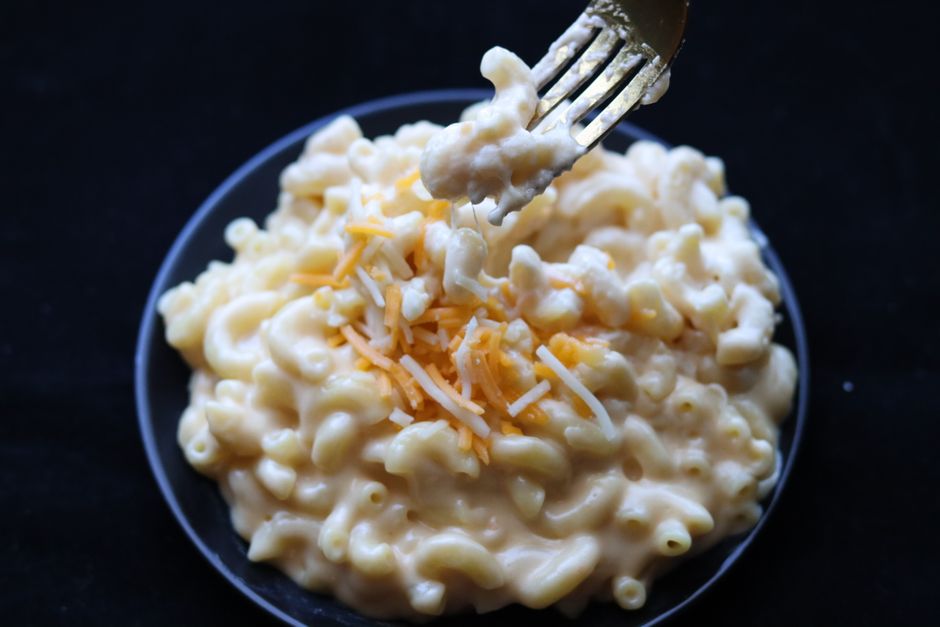
You’re staring at a box of Annie’s Mac and Cheese, wondering if it can fit into your weight loss plan. The short answer is yes, but only if you treat it as a controlled portion within a balanced day — not as a free-for-all meal. Is Annie’s Mac and Cheese good for weight loss? It can be, when you stick to a single serving (about 1 cup prepared), pair it with protein and vegetables, and account for the calories in your daily total. The real issue isn’t the pasta itself — it’s the portion size and what you add to it.
Most weight loss advice tells you to cut out comfort foods entirely. That approach rarely works long-term. This article breaks down the actual nutrition of Annie’s Mac and Cheese, how to fit it into a calorie deficit, and what simple swaps make it work harder for your goals. No guilt, no hype — just practical math.
Key Points at a Glance
| Point | What It Means | Why It Matters |
|---|---|---|
| Calories per serving | About 260–280 calories for 1 cup prepared (box mix) | Fits into most weight loss meal plans if portioned correctly |
| Protein content | Only 7–9 grams per serving | Too low for a meal — needs added protein to keep you full |
| Fiber | Less than 2 grams per serving | Low fiber means faster digestion and sooner hunger |
| Fat | About 8–10 grams, mostly from cheese sauce | Moderate — not a problem if you watch other fats that day |
| Sodium | Around 500–600 mg per serving | High for one meal — pair with low-sodium sides |
What Is the Actual Nutrition of Annie’s Mac and Cheese?
A single serving of Annie’s Mac and Cheese (about 2.5 ounces dry mix, prepared with butter and milk) provides roughly 260–280 calories. That number varies slightly by flavor — the white cheddar version is similar, while the gluten-free option runs about 290 calories. The box says 2 servings, but most people eat the whole thing without thinking.
I always measure the dry pasta before cooking. A food scale costs $12 and saves you from guessing. That single habit alone keeps me from accidentally doubling my calories at dinner.
The bigger concern is what else you eat alongside it. One serving of Annie’s Mac and Cheese has about 7–9 grams of protein and less than 2 grams of fiber. Those numbers are low for a meal that should keep you satisfied for 3–4 hours. Without added protein or vegetables, you will likely feel hungry again quickly.
Can Is Annie’s Mac and Cheese Fit Into a Calorie Deficit?
Yes, absolutely. Weight loss comes down to eating fewer calories than you burn over time. A 260-calorie serving of Annie’s Mac and Cheese can easily fit into a 1,500- or 1,800-calorie day. The problem is that most people eat the whole box, which doubles that to 520–560 calories — and that starts to crowd out more filling foods.
To make it work, plan the rest of your day around it. Eat a high-protein breakfast and lunch, then enjoy your mac and cheese as a smaller dinner portion. Or split the box into two separate meals across two days. I do this regularly — I cook the whole box, portion half into a container for tomorrow, and eat the other half with a pile of steamed broccoli and grilled chicken on top.
What Simple Swaps Make Annie’s Mac and Cheese Better for Weight Loss?
You do not need to reinvent the recipe. Small changes add up without ruining the comfort factor. First, use water instead of whole milk when preparing the pasta. This saves about 30–40 calories per serving. Second, skip the butter or reduce it by half. The cheese powder already provides enough flavor and fat.
Third, add volume with low-calorie vegetables. Stir in frozen peas, chopped broccoli, or spinach right before serving. They bulk up the portion without adding many calories. I always toss in a handful of frozen peas — they turn bright green and add a slight sweetness that works surprisingly well with cheddar.
Fourth, add a protein source. Canned chicken, leftover rotisserie chicken, or a handful of cooked shrimp turn this side dish into a real meal. Aim for at least 15–20 grams of protein total in the bowl. That keeps your blood sugar stable and your hunger in check.
Common Mistakes People Make With Annie’s Mac and Cheese
The biggest mistake is eating the whole box in one sitting. The box says 2 servings, but the math is honest — each serving is about 1 cup prepared. Most bowls hold 2–3 cups easily. Use a measuring cup once to see what 1 cup actually looks like. You might be surprised.
Another mistake is skipping the protein and vegetables. Eating plain mac and cheese for dinner means you will likely snack later. That late-night grazing can undo the calorie deficit you worked for all day. Plan your additions before you cook, not after.
Some people also assume “organic” or “natural” means low-calorie. Annie’s is made with organic pasta and real cheese, but the calorie count is similar to conventional boxed mac and cheese. Organic does not equal weight loss friendly. Portion control still matters.
Related Articles
Frequently Asked Questions
How many calories are in one serving of Annie’s Mac and Cheese?
One prepared serving (about 1 cup) contains roughly 260–280 calories when made with butter and milk. The exact number depends on the specific flavor and how much butter or milk you use.
Is Annie’s Mac and Cheese high in protein?
No, it contains only 7–9 grams of protein per serving. That is too low for a complete meal, so you should add a protein source like chicken, beans, or tofu.
Can I eat Annie’s Mac and Cheese every day on a diet?
You can eat it daily if you keep the portion to one serving and account for the calories in your daily total. But the low protein and fiber mean you will need to plan the rest of your meals carefully to stay full.
What is the best way to add vegetables to Annie’s Mac and Cheese?
Stir in frozen peas, chopped broccoli, or spinach during the last minute of cooking. They add volume and nutrients without changing the flavor much.
Does the organic version have fewer calories than regular mac and cheese?
No, the calorie count is similar to conventional boxed mac and cheese. Organic ingredients do not automatically mean lower calories or better weight loss results.
Should I use milk or water when making Annie’s Mac and Cheese for weight loss?
Using water instead of whole milk saves about 30–40 calories per serving. The cheese powder still provides enough creaminess and flavor.

The TDEECAL Team writes about nutrition, metabolism, and fat loss the way we built our calculator, with real numbers and no hype. We dig into the research so you don’t have to guess.