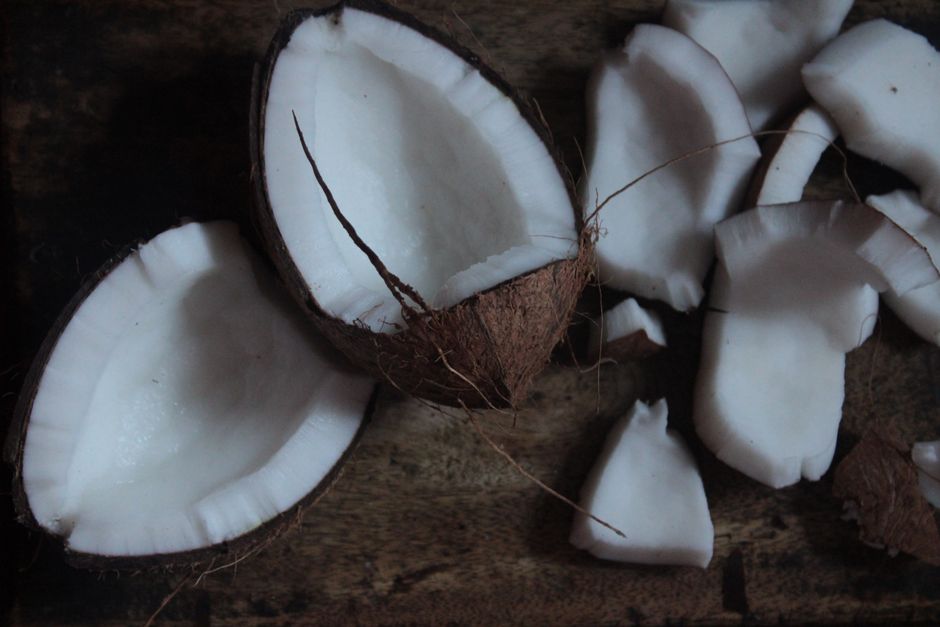
Can Coconut Oil Help You Lose Weight?
Coconut oil has a reputation as a weight-loss food, but the reality is more complicated. The truth is that coconut oil is still a fat, and it contains about 120 calories per tablespoon. Swapping it into your diet without adjusting other calories will not produce weight loss.
So how to eat coconut oil for weight loss comes down to using it as a replacement for less healthy fats, not as an addition. It may offer a slight metabolic advantage over some other fats, but the evidence is modest. This article explains the practical ways to use coconut oil, how much is reasonable, and where the science actually stands.
Most online advice skips the calorie math. We will cover that first, then move into cooking methods and honest expectations.
Key Points at a Glance
| Point | What It Means | Why It Matters |
|---|---|---|
| Calorie density | One tablespoon has about 120 calories, similar to butter | It is not a free food; portions control results |
| MCT content | Coconut oil is about 50% medium-chain triglycerides | MCTs may slightly increase calorie burn, but the effect is small |
| Replacement strategy | Use it instead of butter or vegetable oil, not in addition | Swapping keeps total calories in check |
| Appetite effects | Some research suggests MCTs may increase fullness | This could help with portion control later in the day |
| Evidence quality | Weight-loss studies are short-term and often small | Expect modest results, not dramatic changes |
How to Eat Coconut Oil for Weight Loss Without Sabotaging Your Calories
The single most important rule is to treat coconut oil as a substitute, not a supplement. Use it to replace butter, margarine, or vegetable oil in cooking. If you simply add a spoonful to your morning coffee without removing anything else, you will likely gain weight over time.
One practical approach is to use coconut oil for sautéing vegetables or eggs in the morning. A teaspoon to a tablespoon is enough to coat a pan. I find that a small amount goes further than you expect, especially when the pan is preheated properly.
Another common method is adding coconut oil to coffee or smoothies. This is called “bulletproof” style drinking, and it works best when it replaces a breakfast, not when it accompanies one. If you blend a tablespoon into coffee and skip your usual breakfast pastry, you have cut calories overall.
Practical tip: Start with one teaspoon per day for the first week. This lets you see how your digestion responds, and it keeps the calorie addition minimal while you adjust the rest of your meals.
How Much Coconut Oil Should You Eat Per Day?
No established clinical guideline exists for coconut oil specifically. However, most research studies use one to two tablespoons per day, divided across meals. That equals roughly 120 to 240 calories, which is a significant portion of a daily fat budget for most women.
For a typical weight-loss diet of 1,400 to 1,800 calories, fat should make up about 20 to 35 percent of total calories. That translates to roughly 30 to 70 grams of fat per day. One tablespoon of coconut oil provides about 14 grams of fat, so it can take up a large share of that allowance.
If you are counting calories, the safest approach is to log the coconut oil just like any other food. Many people forget to track oils, and that oversight alone can stall weight loss by 100 to 200 calories per day.
Does Coconut Oil Actually Boost Metabolism?
Some research suggests that the medium-chain triglycerides in coconut oil may increase energy expenditure slightly compared to long-chain fats like olive oil. The effect is real but small, typically in the range of 50 to 100 extra calories burned per day at most. That is not enough to cause weight loss on its own.
The evidence is mixed, and most studies are short-term with small participant groups. Some studies indicate that MCT oil, which is a concentrated form of these fats, has a stronger effect than regular coconut oil. Regular coconut oil contains only about 50 percent MCTs, so the metabolic effect is roughly half of what purified MCT oil provides.
Results also vary by individual. Some people feel fuller after eating coconut oil, while others notice no difference in appetite. The honest summary is that coconut oil is not a metabolic miracle, but it is not neutral either.
Best Cooking Methods for Coconut Oil
Coconut oil has a high smoke point, which makes it suitable for medium-heat cooking. It works well for sautéing vegetables, frying eggs, and roasting potatoes. The flavor is mildly sweet and coconut-like, which pairs nicely with curries, stir-fries, and baked goods.
For baking, you can replace butter with coconut oil at a 1:1 ratio in most recipes. The texture will be slightly different, but the results are usually acceptable. I have found that coconut oil works best in recipes that already include warm spices like cinnamon or ginger, because those flavors mask the coconut taste.
One mistake people make is using coconut oil for high-heat frying. It is not ideal for deep frying because the flavor becomes bitter at very high temperatures. Save it for stovetop cooking and baking instead.
You can also use it as a spread on toast, though it is hard when cold. Let it soften at room temperature first, or mix it with a little honey for a quick topping.
Common Mistakes When Adding Coconut Oil to Your Diet
The biggest mistake is assuming coconut oil is a “free” food because it is natural. It is still pure fat, and the calories count exactly the same as butter or lard. Another common error is using it in addition to other fats rather than in place of them.
Some people also expect rapid results. Weight loss from any single food is typically slow and modest. If you lose one to two pounds per month from swapping in coconut oil, that is actually a reasonable outcome based on the evidence.
Digestive discomfort is another issue. Coconut oil can cause stomach cramps or loose stools, especially when you start with large amounts. Beginning with a teaspoon and gradually increasing over two weeks usually helps.
Who Should Avoid Coconut Oil?
People with a history of heart disease or high cholesterol should be cautious. Coconut oil raises both LDL (bad) and HDL (good) cholesterol, and the net effect on heart health is still debated. If you have elevated cholesterol, talk to your doctor before adding it regularly.
Anyone on a very low-calorie diet, especially below 1,200 calories per day, should be careful. Coconut oil is calorie-dense, and it takes up a large portion of a small calorie budget. In that case, it may be better to focus on more filling, higher-volume foods.
Pregnant or breastfeeding women should follow standard dietary guidance and consult their healthcare provider about fat intake. No specific coconut oil recommendation exists for these groups.
Related Articles
Frequently Asked Questions
Can I eat coconut oil straight from the jar?
Yes, you can eat it directly, but it is not the most pleasant way to consume it. Start with a teaspoon and melt it in your mouth or mix it into a warm drink to make it easier to swallow.
Is coconut oil better than olive oil for weight loss?
The evidence does not clearly favor one over the other for weight loss. Olive oil has stronger evidence for heart health benefits, while coconut oil may have a slight edge in metabolic effects.
Will coconut oil in coffee help me lose weight?
Only if it replaces a meal or snack, not if it is added to your existing breakfast. A tablespoon of coconut oil in coffee adds 120 calories, so it must be counted in your daily total.
How long does it take to see weight loss results from coconut oil?
Most studies last 4 to 12 weeks, and results are modest. You might notice a difference in one to two months, but it will likely be a few pounds at most.
Can coconut oil suppress my appetite?
Some research suggests MCTs may increase fullness, but the effect varies by person. If you feel satisfied after eating it, that can help you eat less later in the day.
Is it safe to eat coconut oil every day?
For most healthy people, one to two tablespoons per day is safe. If you have high cholesterol or heart disease, check with your doctor first.
Use our TDEE Calculator to find your daily calorie target, then plan how coconut oil fits into that number.

The TDEECAL Team writes about nutrition, metabolism, and fat loss the way we built our calculator, with real numbers and no hype. We dig into the research so you don’t have to guess.