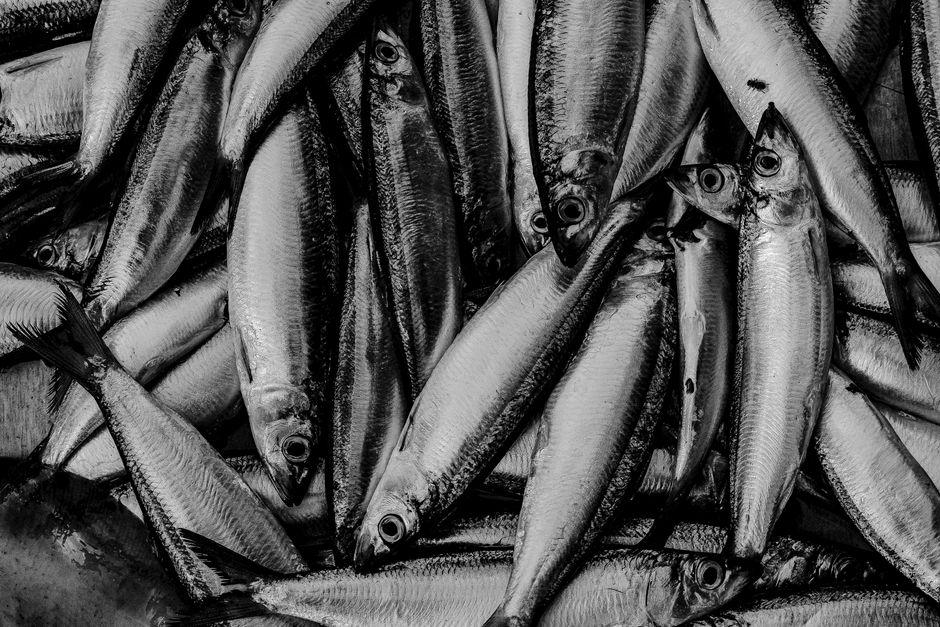
Most people assume all white fish are the same for weight loss, but whiting has a specific nutritional profile that sets it apart from cod or tilapia. If you are counting calories or tracking protein, the difference matters more than you might think.
Yes, whiting fish is good for weight loss. A 100-gram serving of cooked whiting provides roughly 90 to 110 calories with about 20 grams of protein and less than 2 grams of fat, making it one of the leanest protein sources available. The high protein content supports muscle retention during calorie restriction, which helps keep your metabolism active while you lose weight.
Most weight loss advice focuses on cutting calories without considering which foods preserve muscle mass. That is a mistake. When you lose weight, about 25 percent of what you lose can be muscle if your protein intake is too low. Whiting offers a practical solution because it delivers substantial protein for very few calories.
This article covers the actual nutritional data for whiting, how it compares to other popular fish, and the practical ways to prepare it without undoing your calorie deficit. You will also learn which whiting preparations to avoid and how to fit it into a sustainable eating pattern.
Key Points at a Glance
| Point | What It Means | Why It Matters |
|---|---|---|
| Calorie content | Roughly 90–110 calories per 100g cooked | Fits easily into a calorie deficit |
| Protein density | About 20g protein per 100g serving | Supports muscle retention during weight loss |
| Fat content | Under 2g per serving | Low calorie density keeps portions flexible |
| Preparation risk | Breading and frying add 200+ calories | Preparation method determines weight loss benefit |
| Mercury safety | Low mercury levels | Safe for regular weekly consumption |
What Makes Whiting Different From Other Fish for Weight Loss?
Whiting belongs to the same family as cod and haddock, but it is often cheaper and just as lean. The key difference is that whiting has a slightly softer texture and a milder flavor, which means you need less added fat to make it taste good. A simple squeeze of lemon and a pinch of salt is enough.
Most white fish are similar in calories, but whiting stands out because of its protein-to-calorie ratio. Research consistently shows that high-protein foods increase satiety more than carbohydrates or fat, which helps you eat less overall without feeling deprived. That effect is central to why whiting works well in a weight loss diet.
Cook’s note: I always pat the whiting fillets dry with paper towels before cooking. It takes ten seconds and makes a noticeable difference — the fish browns instead of steaming, so you do not need any oil at all.
How Many Calories Are in Whiting Fish?
A 100-gram serving of cooked whiting contains roughly 90 to 110 calories depending on the cooking method. Baking or grilling without added fat keeps it at the lower end, while pan-frying with oil adds about 40 to 60 calories per tablespoon of oil used.
The calorie count changes dramatically when you add breading. A typical breaded and fried whiting fillet can reach 250 to 300 calories per 100 grams. That is more than double the plain version, and most of the extra calories come from refined carbohydrates and frying oil — exactly what you are trying to limit during weight loss.
Is Whiting Fish Good for Weight Loss Compared to Other Proteins?
Whiting compares favorably to chicken breast, which has about 165 calories and 31 grams of protein per 100 grams cooked. Whiting has fewer calories but slightly less protein, so both are excellent choices. The real advantage of whiting is variety — eating the same chicken breast every day leads to boredom, and boredom often leads to giving up.
Compared to salmon, whiting has significantly fewer calories and less fat. Salmon provides healthy omega-3 fats, but at roughly 200 calories per 100 grams, it is harder to fit into a strict calorie deficit. Whiting gives you flexibility that fattier fish cannot offer, and you can alternate both throughout the week.
The evidence on protein and weight loss is strong. Studies have found that diets containing 25 to 30 percent protein from calories improve weight loss outcomes compared to lower protein diets. Whiting makes reaching that target easier because it delivers protein without pushing your calorie budget over the limit.
What Is the Best Way to Cook Whiting for Weight Loss?
Baking, grilling, or poaching are the best methods for keeping whiting low in calories. A simple preparation with lemon, garlic, and fresh herbs adds flavor without adding meaningful calories. Cooking time is short — about 10 to 12 minutes at 400°F for a standard fillet.
Frying is the main problem. Even a light flour coating absorbs oil during cooking, and that oil adds calories quickly. If you genuinely prefer fried fish, use an air fryer with a light spray of oil. It will not be identical to deep frying, but it keeps the calorie count reasonable.
One practical approach is to cook a batch of whiting at the start of the week. It keeps for three days in the refrigerator and can be added cold to salads or reheated quickly for lunch. Having a ready protein source removes the decision fatigue that often leads to unhealthy takeout choices.
Practical tip: Use your TDEE calculator to set your daily calorie target first. Then plan whiting portions around that number so you stay in a sustainable deficit without guessing.
Are There Any Downsides to Eating Whiting Regularly?
Whiting is low in omega-3 fatty acids compared to fatty fish like salmon or mackerel. If you eat whiting exclusively, you may miss out on those anti-inflammatory benefits. The solution is simple — rotate whiting with salmon or sardines a couple of times per week.
Mercury levels in whiting are low, so it is safe to eat several times per week. The FDA categorizes whiting as a low-mercury fish, which makes it suitable for regular consumption. However, pregnant women and young children should still follow current guidance on fish servings per week.
Sodium can be an issue if you buy frozen whiting with added salt solutions. Some commercial frozen fillets are injected with sodium phosphate to retain moisture, which adds significant sodium. Check the ingredient list and choose fillets with no additives when possible.
Frequently Asked Questions
Related Articles
How much whiting can I eat per week for weight loss?
You can safely eat whiting three to four times per week as part of a balanced diet. Each 100-gram serving provides about 20 grams of protein for under 110 calories.
Is whiting better than chicken for weight loss?
Whiting and chicken breast are similar in calorie and protein content, so neither is clearly better. Whiting offers more variety and a lower fat profile, while chicken provides slightly more protein per serving.
Can I eat whiting every day?
Eating whiting daily is safe due to its low mercury content, but variety is better for overall nutrition. Rotate it with other proteins to get a wider range of nutrients.
Does whiting help you feel full?
Yes, the high protein content in whiting increases satiety hormones that reduce hunger. Studies show protein-rich meals keep you fuller longer than meals with the same calories from carbohydrates.
Is frozen whiting as healthy as fresh whiting?
Frozen whiting retains the same protein and calorie content as fresh, as long as no additives are included. Check the label for sodium or phosphate solutions that are sometimes added to frozen fillets.
What is the healthiest way to season whiting?
Lemon juice, garlic, herbs, and black pepper add flavor without calories. Avoid butter-based sauces and creamy toppings that can add 100 or more calories per serving.
Whiting is a practical, affordable protein that fits comfortably into a weight loss plan when prepared simply. The nutritional profile is solid, the mercury risk is low, and the calorie cost is minimal. Choose baking or grilling over frying, and you have a reliable staple for your weekly rotation.
Start by replacing one higher-calorie dinner with a baked whiting fillet and a generous serving of vegetables. Track your calories with a reliable calculator, and adjust portions based on your results. Small consistent changes like this are what actually move the scale over time.

The TDEECAL Team writes about nutrition, metabolism, and fat loss the way we built our calculator, with real numbers and no hype. We dig into the research so you don’t have to guess.