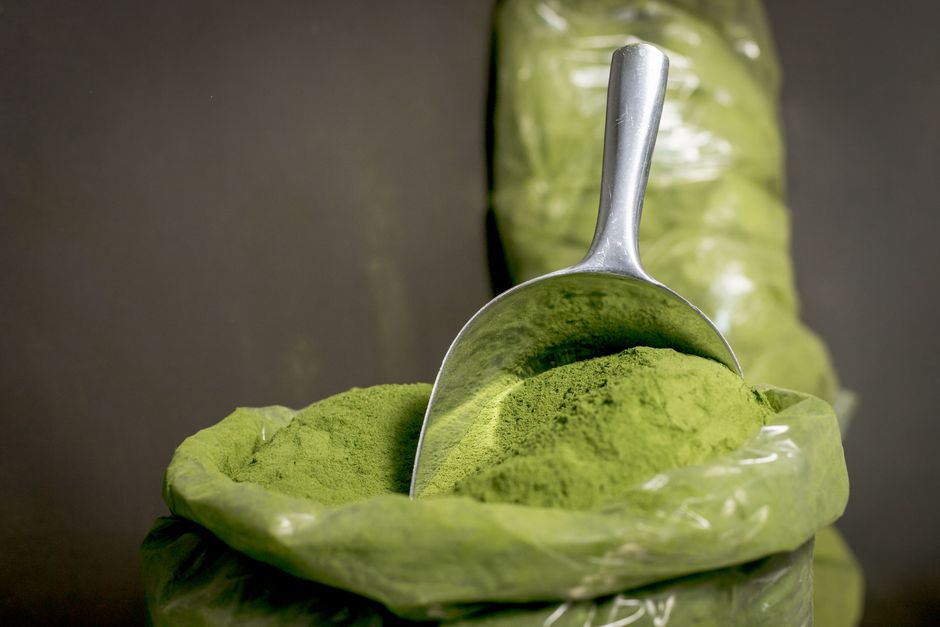
Does Moringa Really Work for Weight Loss?
Moringa powder is everywhere on social media, but the honest answer is that the evidence for weight loss is still in its early stages. Some studies suggest moringa may help with blood sugar control and inflammation, which can indirectly support weight management efforts. However, no strong clinical evidence currently confirms that moringa causes direct or significant fat loss on its own. The realistic view is that moringa might be a helpful addition to a solid diet and exercise plan, but it is not a magic bullet.
Key Points at a Glance
| Point | What It Means | Why It Matters |
|---|---|---|
| Blood Sugar Control | Some studies show moringa may help lower post-meal blood sugar spikes. | Stable blood sugar means fewer cravings and steadier energy throughout the day. |
| Inflammation Reduction | Moringa contains compounds that may reduce markers of inflammation. | Lower inflammation can make it easier to stick with exercise and recovery. |
| Calorie Content | A teaspoon of moringa powder has roughly 5 to 10 calories. | It is a low-calorie addition that does not derail your daily calorie budget. |
| Nutrient Density | Moringa leaves are rich in iron, vitamin C, and calcium. | It can help fill nutrient gaps when you are eating fewer calories. |
| Direct Fat Loss | No strong clinical evidence shows moringa directly burns fat. | Set realistic expectations so you do not rely on it as a standalone solution. |
What Does the Research on Moringa Actually Show?
The research on moringa and weight loss is promising but limited. Some studies indicate that moringa leaf powder can improve blood sugar regulation and reduce oxidative stress in the body. These effects matter because stable blood sugar helps control appetite and reduces the urge to snack on sugary foods.
But here is the honest part. Most of the human studies are small, short-term, or focused on metabolic markers rather than actual weight loss. Some animal studies show fat reduction, but animal results do not always translate to humans. The evidence is mixed at best for direct weight loss effects.
I always tell people to look at moringa as a support tool, not a primary strategy. One teaspoon a day in a smoothie is easy to do, and the nutrient boost is real even if the scale does not move dramatically.
How Could Moringa Support Your Weight Loss Efforts?
The most realistic benefit of moringa comes from its effect on blood sugar. Some research suggests that compounds in moringa leaves can slow down how quickly your body absorbs sugar from your meals. When your blood sugar stays steadier, you typically feel fuller for longer and experience fewer energy crashes.
Moringa is also notably anti-inflammatory. Chronic inflammation is linked to weight gain and difficulty losing weight, so reducing it can indirectly help your efforts. Plus, the powder is genuinely nutrient-dense, which matters when you are cutting calories and need to stay on top of your vitamin and mineral intake.
Does Moringa Really Work for Weight Loss Without Diet Changes?
No, and this is where the marketing gets tricky. No supplement, including moringa, will produce weight loss if you are eating more calories than your body burns. The fundamental math of weight loss still applies.
Your total daily energy expenditure, or TDEE, is the number of calories your body uses each day. Weight loss happens when you eat fewer calories than that number. Moringa might help you feel fuller or manage cravings, but it cannot override a consistent calorie surplus.
Use a TDEE calculator to find your maintenance calories, then aim for a modest deficit. That approach, combined with moringa as a supportive addition, is the only evidence-backed path to sustainable weight loss.
What Is the Right Way to Use Moringa for Weight Loss?
If you decide to try moringa, the practical details matter. Most studies use doses between 1.5 and 3 grams of leaf powder per day, which is roughly one to two teaspoons. No established clinical guideline exists for moringa specifically, so staying within that range is a reasonable choice based on the research.
The form matters too. Whole leaf powder retains the fiber and nutrients better than extracts or capsules. You can mix it into smoothies, soups, or even plain water with a squeeze of lemon. I personally find that adding it to a green smoothie masks the earthy flavor completely.
One important caution. Moringa can interact with certain medications, particularly thyroid medications and diabetes drugs. If you take any prescription medication, check with your doctor before adding moringa to your routine.
What Are the Realistic Results and Timeline?
If moringa does help you, the effects will be gradual and modest. You might notice better energy levels within a week or two, and possibly slightly better appetite control. Actual weight loss from moringa alone would likely be minimal, maybe a pound or two over a month at most, and even that is not guaranteed.
The people who see the best results with moringa are those already eating well and exercising consistently. They use it as a small edge, not the main strategy. That is the honest picture based on what the evidence currently shows.
Frequently Asked Questions
Related Articles
Can moringa cause any side effects?
Some people experience mild digestive upset, nausea, or diarrhea when starting moringa. These effects usually pass within a few days, but stop using it if they persist.
Is moringa safe to take every day?
For most healthy adults, daily use at typical doses appears safe based on current research. Long-term safety data beyond a few months is still limited, so periodic breaks are reasonable.
Does moringa help reduce belly fat specifically?
No research shows that moringa targets belly fat specifically. Spot reduction of fat from any single food or supplement is not supported by science.
Should I take moringa in the morning or at night?
Morning is generally better because some people find moringa mildly energizing. Taking it earlier also gives you the blood sugar benefits throughout the day.
Can moringa replace a healthy diet for weight loss?
No. Moringa is a supplement, not a meal replacement or a substitute for balanced nutrition. Sustainable weight loss still requires a calorie deficit and consistent healthy habits.
How long until I see results from moringa?
Most people notice changes in energy within one to two weeks if they respond well. Weight changes, if any, typically take four to six weeks of consistent use to appear.

The TDEECAL Team writes about nutrition, metabolism, and fat loss the way we built our calculator, with real numbers and no hype. We dig into the research so you don’t have to guess.