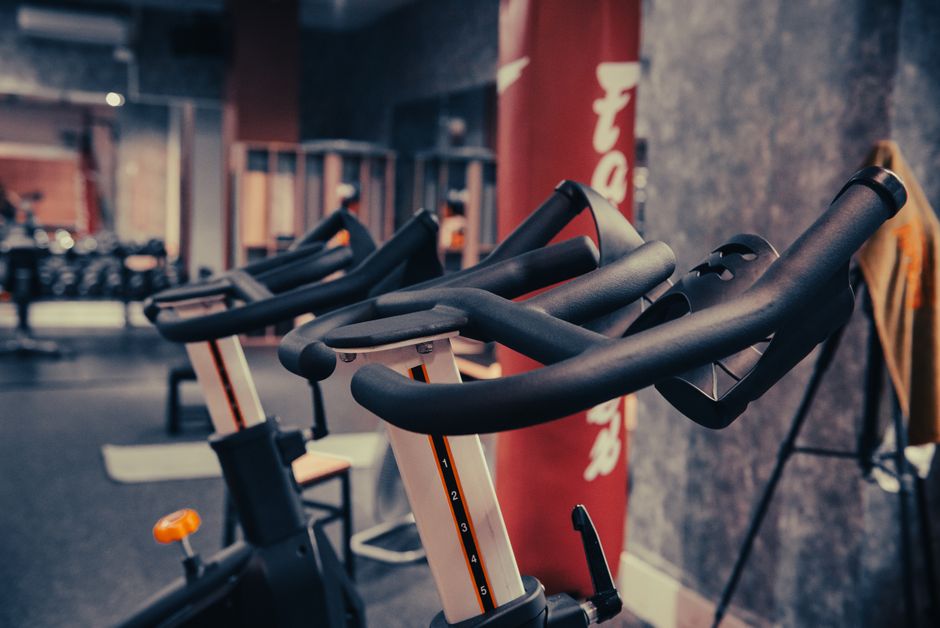
Is Gym Cycling Good for Weight Loss?
Stationary bikes are among the most popular machines in any gym, and for good reason. If you have been skipping the bike because you are unsure if it actually works, here is the direct answer: yes, gym cycling is good for weight loss because it burns a significant number of calories while being gentle on your joints. A 155-pound person can burn roughly 260 calories in 30 minutes of moderate cycling, and that number climbs with intensity. This makes it a reliable tool for creating the calorie deficit that drives fat loss, provided you pair it with a sensible diet.
Most generic advice tells you to just “move more,” but that misses the point. The real question isn’t whether you can burn calories on a bike—it is whether you can do it consistently without getting bored or injured. This article covers how many calories you actually burn, how to structure your sessions for results, and why the bike might be smarter than the treadmill for your specific goals.
Key Points at a Glance
| Point | What It Means | Why It Matters |
|---|---|---|
| Calorie burn | 300-600 calories per hour depending on effort | Creates the deficit needed for fat loss |
| Joint impact | Low impact, no pounding on knees or hips | Lets you train more often with less recovery time |
| Intensity control | Easy to measure watts and heart rate | Helps you hit specific training zones |
| Sustainability | Seated position allows longer sessions | Consistency beats intensity for long-term results |
How Many Calories Does Gym Cycling Actually Burn?
The number on the bike’s display is often optimistic, so take it with a grain of salt. Research published in the Journal of Sports Sciences found that most stationary bikes overestimate calorie burn by 15 to 20 percent. A more realistic estimate for a 155-pound person is 260 to 400 calories per 30 minutes, depending on how hard you push.
Your weight matters too. A 185-pound person burns roughly 311 calories in 30 minutes at a moderate pace, while a 125-pound person burns closer to 210. The key variable is intensity—if you can hold a conversation easily, you are in the low end of that range. If you are breathing hard and struggling to speak, you are at the high end.
I always tell clients to ignore the “calories” readout on the console and instead track their average heart rate. That number is far more honest about your effort level.
Is Gym Cycling Good for Weight Loss Compared to Running?
Gym cycling is good for weight loss, but it requires a slightly different approach than running to get the same results. Running burns more calories per minute for most people—roughly 10 to 15 percent more—because it uses more muscle mass and gravity works against you. However, running also creates far more joint stress, which means you cannot do it every day without risking injury.
Cycling allows you to train longer and more frequently. Many people can cycle for 60 minutes without issue but struggle to run for 30. That longer duration often closes the calorie gap. A 155-pound person running at 6 mph burns about 372 calories in 30 minutes, while the same person cycling vigorously burns about 315. Over a week, the cyclist who trains six days might out-burn the runner who can only manage three.
How to Structure Your Cycling Sessions for Fat Loss
Steady-state cycling at a moderate pace works, but interval training gets you there faster. Research from the Journal of Obesity found that high-intensity interval training on a bike produces greater reductions in abdominal fat compared to steady-state exercise, even when total calories burned are similar. The reason is that intervals create a greater “afterburn” effect, where your body continues burning calories for hours after you stop.
A simple protocol that works for beginners is 30 seconds hard, 90 seconds easy, repeated 8 to 10 times. Warm up for 5 minutes first, then alternate. As you get fitter, you can shorten the recovery to 60 seconds or extend the hard intervals to 45 seconds. Aim for two or three interval sessions per week, with steady rides in between.
The biggest mistake I see is people pedaling at the same easy pace every single workout. Your body adapts quickly, and the calorie burn drops. Change your resistance or speed every few minutes so your heart rate stays elevated.
Why the Bike Wins for Older Adults and Beginners
If you are over 40 or have not exercised in years, gym cycling is good for weight loss because it removes the two biggest barriers to consistency: pain and fear. The seated position supports your back, the pedaling motion is smooth, and you can start at a very low resistance. This means you are far less likely to quit after the first week.
The bike also gives you measurable feedback that other machines lack. You can see your watts, cadence, and heart rate in real time, which lets you track improvement week to week. That progress is motivating, and motivation is what keeps you coming back.
One practical note: make sure the seat height is correct. Your knee should have a slight bend at the bottom of the pedal stroke. Too low, and you will feel it in your knees within ten minutes.
Frequently Asked Questions
Related Articles
How often should I cycle to lose weight?
Aim for four to five sessions per week, mixing intervals and steady rides. Consistency matters more than any single workout.
Can I lose belly fat by cycling?
You cannot spot-reduce fat, but cycling burns overall body fat, and belly fat shrinks as total fat decreases. Interval training may accelerate this process.
Is 30 minutes of cycling a day enough?
Yes, 30 minutes daily can create a meaningful calorie deficit of roughly 1,500 to 2,000 calories per week. This translates to about half a pound of fat loss weekly.
Does cycling build leg muscle?
Cycling does build some muscle, especially in the quads and glutes, but it is primarily an endurance exercise. The muscle gain is modest compared to weightlifting.
Should I cycle on an empty stomach to burn more fat?
Cycling fasted does not meaningfully increase fat loss over the long term. The total calories burned across the day matter more than the fuel source during exercise.
To get a precise calorie target for your weight loss goals, use our TDEE Calculator to find your maintenance calories and subtract 300 to 500 calories from that number.

The TDEECAL Team writes about nutrition, metabolism, and fat loss the way we built our calculator, with real numbers and no hype. We dig into the research so you don’t have to guess.