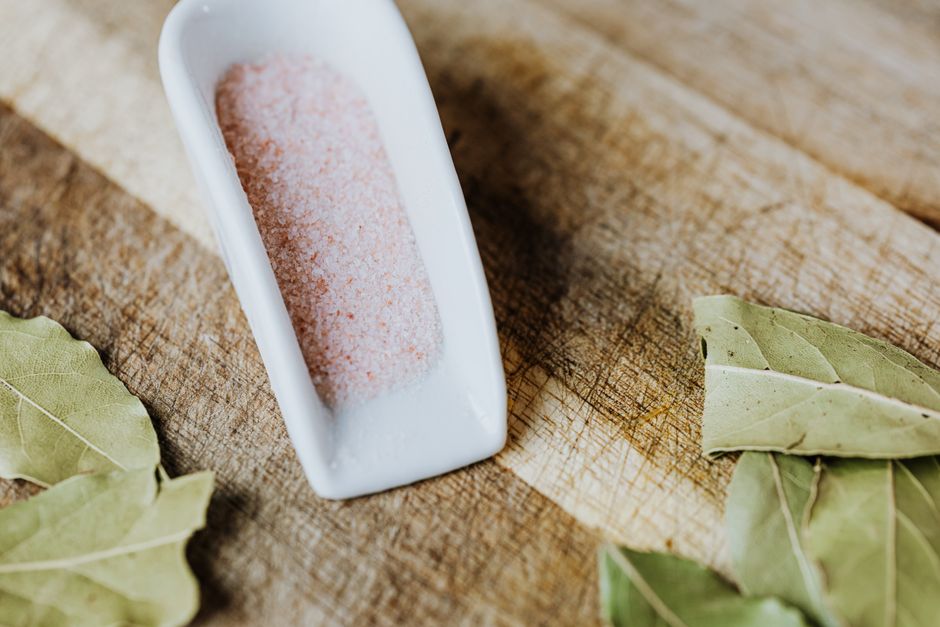
Why Salt Might Be Slowing Down Your Weight Loss
Most people never connect their salt shaker to their scale. But the link between sodium and weight loss is stronger than you might think, and it goes far beyond water weight.
Understanding why is salt bad for weight loss comes down to how your body responds to excess sodium. High salt intake causes your body to hold onto water, which can mask real fat loss on the scale and make you feel bloated and frustrated. It also drives thirst, and the beverages people choose to quench that thirst often add extra calories.
This article covers the real science behind salt and weight loss, the difference between water weight and fat loss, and practical steps to cut back without eating bland food. Many generic articles tell you to “just eat less salt,” but they rarely explain what that actually looks like in a typical American kitchen.
And here is the part most advice skips: salt is not your enemy in small amounts. Your body needs sodium to function. The problem is that most adults consume far more than their bodies can handle, often without realizing it.
Reality check: If you are eating out even twice a week, you are likely consuming more than half your daily sodium allowance in those meals alone. Restaurant food is where most hidden sodium lives.
Key Points at a Glance
| Point | What It Means | Why It Matters |
|---|---|---|
| Sodium and water retention | Your body holds extra water to balance sodium levels | Scale readings can fluctuate 2-5 pounds from water alone |
| Hidden sodium sources | Processed foods, sauces, and restaurant meals contain most of your daily sodium | You cannot control what you cannot see |
| Salt and thirst | High sodium triggers thirst, often leading to sugary drink choices | Liquid calories silently add up |
| Blood pressure effects | Chronic high sodium raises blood pressure over time | High blood pressure limits safe exercise options |
What Does Salt Actually Do to Your Body?
Sodium is an essential mineral. Your nerves and muscles depend on it to function. The trouble starts when you consume more than your kidneys can excrete, which for most people is somewhere around 2,300 milligrams per day.
When sodium levels in your blood rise too high, your body pulls water from your cells to dilute it. That extra fluid stays in your tissues, which is why your rings feel tighter and your face looks puffier the morning after a salty meal. This is not fat gain, but it can easily hide fat loss on the scale.
I notice this with my own cooking all the time. When I use a store-bought marinade instead of making my own, I step on the scale two pounds heavier the next morning. The food is not the problem. The sodium load is.
How Salt Affects Weight Loss Progress
Research consistently shows that high sodium intake increases water retention, but the effect on actual fat loss is indirect. The scale is the tool most people use to track progress, and water weight creates noise that makes it hard to see real changes.
Some studies suggest that consistent high sodium intake can increase thirst, which often leads people to reach for sweetened beverages. A single 12-ounce soda adds about 150 calories. Over a week, that can easily add up to a pound of fat if your overall calorie intake stays the same.
There is also some evidence that high sodium diets may influence hunger hormones, though the research is still early. What we know for certain is that reducing sodium helps your body release excess water, which can make your clothes fit better and give you a more accurate picture of your actual fat loss.
Practical tip: Weigh yourself daily if you want data, but only compare weekly averages. This smooths out the water weight noise and shows you the real trend underneath.
Why is Salt Bad for Weight Loss Specifically?
Salt is not directly fattening. It contains zero calories. But the reason why is salt bad for weight loss comes down to how it affects your behavior and your measurements.
First, water retention masks fat loss. You could be losing fat perfectly on schedule, but the scale shows no change because your body is holding an extra three pounds of water. Second, high sodium intake drives thirst, and the most common thirst-quenchers are caloric beverages. Third, some research suggests that chronic high sodium may contribute to insulin resistance over time, though this connection needs more study.
The most practical reason is simpler. When you feel bloated and heavy, you are less likely to stay motivated. Many people quit their weight loss efforts because they feel like “nothing is working,” when in reality, water weight is just hiding their progress.
How Much Sodium Should You Actually Eat?
The general dietary guideline for most adults is to stay under 2,300 milligrams of sodium per day, which is about one teaspoon of salt. However, the average American consumes closer to 3,400 milligrams daily, which is roughly 50 percent more than recommended.
Some people are more salt-sensitive than others. If you have high blood pressure, kidney disease, or a family history of either, your doctor may recommend a lower target. No single number works for everyone, so pay attention to how your body responds.
For weight loss purposes, the goal is not to eliminate sodium entirely. It is to reduce your intake enough that your body stops holding excess water and your scale becomes a more reliable tool for tracking fat loss.
Practical Ways to Cut Sodium Without Eating Bland Food
Cutting sodium does not mean eating plain chicken and steamed broccoli forever. It means changing where your sodium comes from. Most of the sodium in the American diet comes from processed foods and restaurant meals, not from the salt shaker on your table.
Start by reading nutrition labels on packaged foods. Look for items with less than 140 milligrams of sodium per serving, which qualifies as “low sodium.” Pay special attention to bread, deli meats, canned soups, and frozen meals, which are common hidden sources.
Cook more meals at home using fresh ingredients. When you control the salt, you can use other seasonings like garlic, lemon, vinegar, and herbs to add flavor. I find that a squeeze of fresh lemon over a finished dish does more for flavor than a pinch of salt ever did.
Kitchen trick: Rinse canned beans and vegetables before using them. This simple step can cut their sodium content by up to 40 percent, and it takes less than a minute.
How Long Until Water Weight Goes Down?
If you cut your sodium intake significantly, you will likely notice a drop in water weight within 24 to 72 hours. Your kidneys will start excreting the excess fluid once sodium levels normalize.
This initial drop can be motivating, but do not mistake it for fat loss. The water weight loss is real and visible, but the fat loss process still requires a calorie deficit over time. Use the scale drop as encouragement to keep going, not as proof that you have found a shortcut.
If you want to track your actual fat loss more accurately, consider measuring your waist circumference weekly instead of relying only on the scale. This measurement is not affected by water retention the same way.
Try this: Use a TDEE calculator to determine your maintenance calories, then subtract 300-500 calories for a sustainable deficit. Pair this with lower sodium intake and your progress will be much easier to see.
Does Salt Cause Belly Fat?
Salt itself does not cause belly fat. Fat storage is driven by excess calorie intake, not sodium consumption. However, high sodium intake can cause bloating in the abdominal area, which may look and feel like belly fat.
This distinction matters because many people get discouraged when their midsection does not change despite their efforts. If you have been eating well and exercising but still feel puffy, check your sodium intake before assuming your diet is failing.
Can Cutting Salt Help You Lose Weight Faster?
Cutting salt will not directly speed up fat loss, but it can make your progress more visible and keep you motivated. When the scale shows the results of your hard work, you are more likely to stick with your plan.
The real weight loss work still comes from maintaining a calorie deficit. Salt reduction is a supporting player, not the main event. But it is a supporting player that can make the whole process feel more rewarding.
Frequently Asked Questions
Related Articles
Does salt make you gain weight?
Salt causes your body to retain water, which can increase your scale weight by several pounds. This is water weight, not fat, and it goes away when your sodium intake drops.
How much water should I drink to flush out salt?
Drinking more water helps your kidneys excrete excess sodium, but there is no specific amount that will “flush” salt faster. Aim for your normal daily hydration needs, which is roughly 8 to 10 cups for most adults.
Will cutting salt reduce belly bloating?
Yes, reducing sodium can noticeably reduce abdominal bloating for most people. The effect usually appears within a few days of consistent lower sodium intake.
Is sea salt better than table salt for weight loss?
Sea salt and table salt have nearly identical sodium content by weight. The only real difference is that sea salt often contains trace minerals, but this does not affect weight loss.
Can high salt intake cause weight gain even if calories are the same?
High salt intake can cause temporary water weight gain even if your calorie intake is unchanged. This water weight typically disappears within a few days of reducing sodium.
What is the fastest way to reduce sodium in my diet?
The fastest approach is to stop eating processed foods and restaurant meals for a few days. Cooking fresh foods at home with minimal added salt will drop your sodium intake dramatically within 48 hours.

The TDEECAL Team writes about nutrition, metabolism, and fat loss the way we built our calculator, with real numbers and no hype. We dig into the research so you don’t have to guess.