That jar of dried oregano in your cabinet might be doing more than you think. Herbs are one of the few weight loss tools that add flavor without adding a single calorie.
The best way to know how to prepare herbs for weight loss is to use them fresh or lightly dried, chop them finely, and add them at the end of cooking to preserve their natural oils. This simple method keeps the active plant compounds intact, which is what makes herbs useful beyond just taste. You do not need complicated recipes or expensive supplements to benefit from them.
Most people overlook herbs because they seem like garnish, not a real strategy. But swapping salt, sugar, and heavy sauces for fresh herbs can cut hundreds of calories from your weekly meals without making food feel bland. This article covers the practical steps that actually work in a home kitchen, not the vague advice you usually find online.
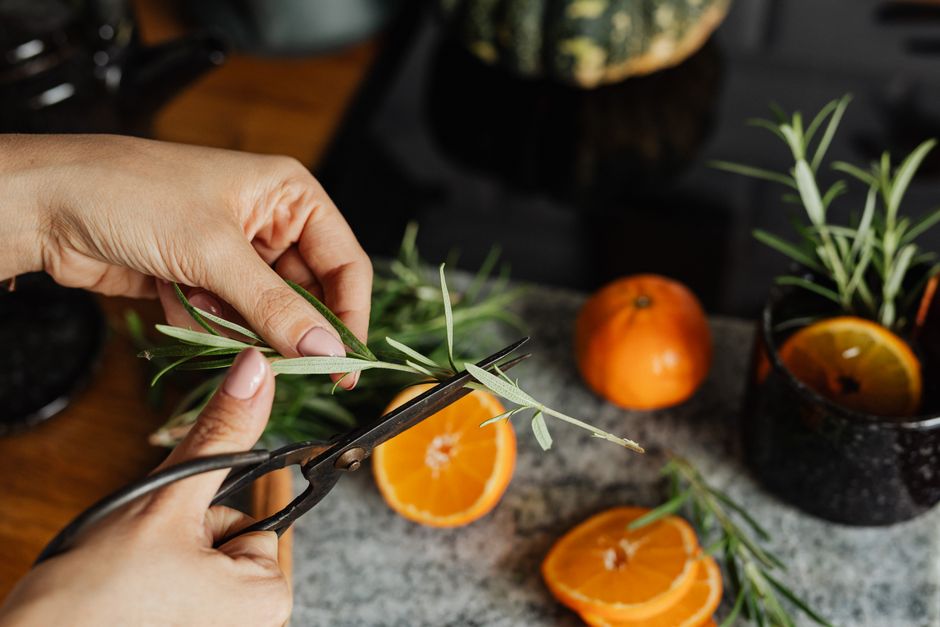
My kitchen note: I keep a pair of sharp kitchen shears dedicated to herbs. Chopping with a dull knife bruises the leaves and makes them release their moisture too early, which dulls the flavor.
Key Points at a Glance
| Point | What It Means | Why It Matters |
|---|---|---|
| Fresh over dried | Fresh herbs contain more volatile oils | Stronger flavor means you use less salt and fat |
| Add at the end | Heat destroys delicate compounds | Preserves the compounds that provide flavor and potential health benefits |
| Chop finely | Releases flavor compounds evenly | Distributes taste throughout the dish, so you need less of everything else |
| Pair with healthy fats | Some compounds are fat-soluble | A small amount of olive oil helps your body absorb them |
What Is the Best Way to Prepare Fresh Herbs?
The most reliable method is the chiffonade technique for leafy herbs like basil and mint. Stack the leaves, roll them tightly, and slice them into thin ribbons with a sharp knife. For woody herbs like rosemary and thyme, strip the leaves from the stem and chop them coarsely — the stems are too tough to chew comfortably.
Wash herbs thoroughly and dry them completely before chopping. Wet herbs clump together and steam instead of releasing their oils, which changes both texture and flavor. Pat them dry with a clean kitchen towel or use a salad spinner for larger batches.
How to Prepare Herbs for Weight Loss Without Losing Their Benefits
The key is understanding that heat changes herbs in different ways. Delicate herbs like parsley, cilantro, and dill should go in during the last minute of cooking or be sprinkled on top after you plate the food. Heartier herbs like oregano, sage, and bay leaves can withstand longer cooking times and actually release more flavor when simmered.
Research suggests that some compounds in herbs, particularly those in the mint and parsley families, are sensitive to high heat. Some studies indicate that gentle preparation methods preserve more of these plant compounds than aggressive boiling or frying. This is why adding herbs at the end of cooking is not just about taste — it is about keeping the parts of the plant that may support your metabolism intact.
Practical tip: Make a simple herb paste by blending fresh herbs with a teaspoon of olive oil and a pinch of salt. Store it in the fridge for up to three days and add a spoonful to soups, eggs, or roasted vegetables for instant flavor without extra calories.
Which Herbs Are Most Useful for Weight Loss?
No single herb will melt fat, and any product claiming otherwise is marketing, not medicine. But some herbs have evidence behind them for supporting digestion, reducing water retention, or making healthy food more appealing. Ginger and peppermint are the most studied for digestive comfort, while cayenne pepper contains capsaicin, which some research suggests may slightly increase calorie burning.
For everyday cooking, focus on herbs that help you reduce high-calorie flavorings. Cilantro, basil, oregano, and thyme all provide strong flavor that lets you cut back on oil, salt, and creamy sauces. The weight loss benefit comes from what herbs replace, not from the herbs themselves.
What About Dried Herbs?
Dried herbs are more concentrated than fresh, so use about one-third the amount. If a recipe calls for one tablespoon of fresh oregano, use one teaspoon of dried. Add dried herbs earlier in cooking so they have time to rehydrate and release their flavors.
Check the age of your dried herbs. Most lose significant potency after six months to a year. If the jar has been sitting in your cabinet for two years, it is probably adding more dust than flavor. Rub a small amount between your fingers — if it does not smell strongly, it will not taste strongly either.
Related Articles
Frequently Asked Questions
Can I drink herbs as tea for weight loss?
Yes, but the effect is modest. Herbal teas like peppermint, ginger, and dandelion can support digestion and help you stay hydrated, which supports overall weight loss efforts.
How much fresh herb should I use per day?
There is no established clinical guideline for a specific daily herb quantity. A practical target is one to two tablespoons of chopped fresh herbs per meal, which is safe for most people.
Do herbs lose their benefits when frozen?
Freezing preserves most of the beneficial compounds in herbs. Chop them, place them in an ice cube tray with a little water or olive oil, and freeze for up to three months.
Is it better to use herbs fresh or dried for weight loss?
Fresh herbs generally contain more volatile oils, but dried herbs are more concentrated by weight. Both are useful, and the best choice depends on what you have available.
Can herbs replace salt in cooking?
Herbs can reduce your need for salt, but they do not replicate the salty taste. Start by cutting salt in half and adding double the herbs, then adjust to your preference.
If you want to track how herbs and other food changes affect your progress, use the TDEE Calculator to understand your daily calorie needs.

The TDEECAL Team writes about nutrition, metabolism, and fat loss the way we built our calculator, with real numbers and no hype. We dig into the research so you don’t have to guess.