Why Pasta Gets Blamed for Weight Gain
Most people assume pasta is the enemy of weight loss. But the research tells a more interesting story. Pasta doesn’t make you gain weight by itself. Portion size, sauce choices, and what you eat with it matter far more.
The direct answer to “is pasta unhealthy for weight” is no — not when eaten in reasonable portions with vegetables and lean protein. Studies have actually linked pasta consumption to lower body mass index in some populations. The problem is rarely the pasta itself. It is the oversized bowls, creamy sauces, and lack of vegetables that derail progress.
Understanding how pasta fits into a calorie-controlled diet changes everything. This article covers what the evidence really says, how to portion pasta properly, and which preparation methods support weight loss. You will also learn why some people see better results when they swap regular pasta for alternatives.
Key Points at a Glance
| Point | What It Means | Why It Matters |
|---|---|---|
| Pasta is not inherently fattening | Calories determine weight change, not specific foods | You can lose weight while eating pasta |
| Portion size is the main issue | Most people eat 2-3 times the recommended serving | One serving is about 2 ounces dry pasta |
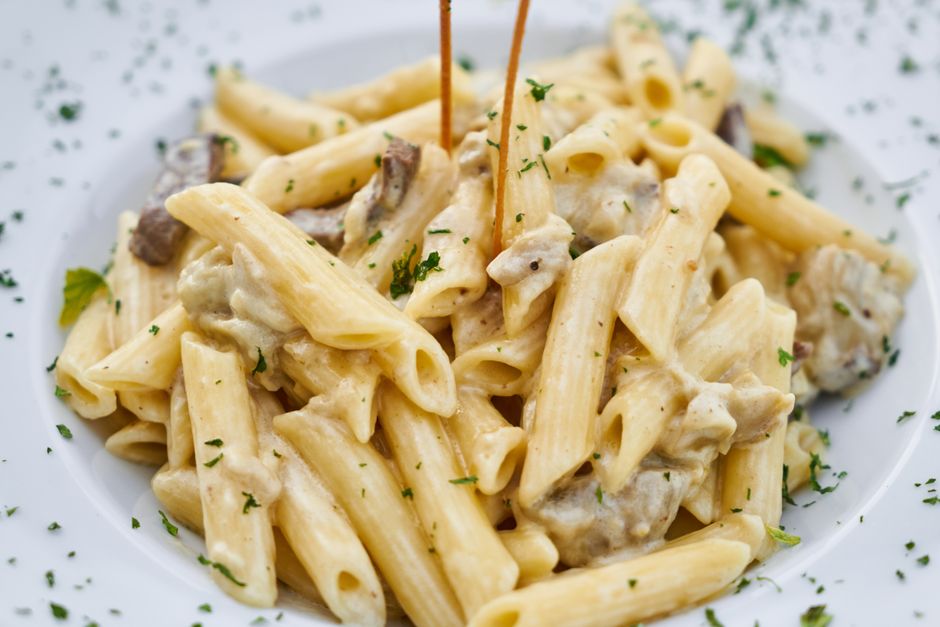
| Sauces add hidden calories | Cream and cheese sauces can double the calorie count | Tomato-based sauces are much lighter |
| Pairing matters | Vegetables and protein slow digestion and increase fullness | Balanced plates keep you satisfied longer |
| Pasta alternatives vary | Whole wheat and legume pastas have more fiber | Higher fiber helps with appetite control |
What Does the Science Say About Pasta and Weight?
Research published in the journal Nutrients found that pasta consumption was not associated with weight gain. In fact, some studies show pasta eaters tend to have lower body weight and smaller waist measurements. This is likely because pasta is often eaten as part of a Mediterranean-style diet rich in vegetables, olive oil, and fish.
A 2018 systematic review in BMJ Open examined randomized trials comparing pasta to other carbohydrates. The researchers found pasta did not increase body weight or belly fat compared to other carb sources. Some studies even showed slightly greater weight loss with pasta, possibly because it has a lower glycemic response than white bread or potatoes.
The evidence is consistent. Pasta is a carbohydrate source like any other. Whether it helps or hurts your weight loss depends entirely on how much you eat and what surrounds it on your plate.
Is Pasta Unhealthy for Weight Loss When You Control Portions?
The short answer is no. A standard serving of cooked pasta is about one cup, which contains roughly 200 calories. Most restaurant portions serve two to three cups, pushing that number to 400-600 calories before sauce is even added.
Here is a practical way to measure your portion. A single serving of dry pasta is about the size of a quarter when placed in your palm. Cooked, it should fill about half of a standard cereal bowl. If you are eating out, ask for a half portion or box half your meal before you start eating.
I always weigh my pasta dry before cooking. It takes ten seconds and removes all guesswork. A kitchen scale is the most honest tool in weight management.
How Should You Prepare Pasta for Weight Loss?
The way you prepare pasta makes a bigger difference than the pasta itself. A tomato-based sauce with vegetables adds fiber and volume for relatively few calories. A cream sauce can double or triple the calorie content of the same dish.
Choose lean protein to pair with your pasta. Grilled chicken, shrimp, or white beans add satiety without excessive calories. Add at least one cup of vegetables per serving. Broccoli, spinach, zucchini, or bell peppers increase the volume of your meal without adding many calories.
Here is a simple formula that works well. Fill half your plate with vegetables, one quarter with pasta, and one quarter with protein. This naturally controls portions while keeping the meal satisfying.
Are Whole Wheat or Legume Pastas Better Choices?
Whole wheat pasta contains about 6 grams of fiber per serving compared to 2 grams in white pasta. Legume-based pastas made from chickpeas or lentils can have even more fiber plus additional protein. These options digest slower and may keep you fuller for longer.
The calorie difference between these pastas is minimal. A serving of whole wheat pasta has roughly the same calories as white pasta. The advantage comes from fiber and protein, which support appetite control.
Taste and texture differ noticeably. Whole wheat pasta has a nuttier flavor and firmer bite. Chickpea pasta can be slightly grainy. Try a few brands to find one you genuinely enjoy, because consistency matters more than perfection.
What About Pasta Alternatives Like Zucchini Noodles?
Zucchini noodles, often called zoodles, contain about 20 calories per cup compared to 200 calories in cooked pasta. They add volume and nutrients, but they do not provide the same satisfaction for everyone. Many people feel hungry an hour after eating only vegetable noodles.
A middle ground works well for many people. Use half regular pasta and half zucchini noodles. This cuts calories while preserving the texture and mouthfeel you expect from pasta. You get the best of both approaches without feeling deprived.
Spiralized vegetables also cook much faster than pasta. They need only two to three minutes in a hot pan. Add them at the very end of cooking so they stay crisp rather than turning mushy.
Frequently Asked Questions
Related Articles
Can I eat pasta every day and still lose weight?
Yes, as long as your total daily calories stay below your maintenance level. Keep portions to one cup cooked and pair with vegetables and lean protein.
Is pasta worse than bread for weight loss?
No strong evidence shows pasta is worse than bread for weight loss. Both affect weight through portion size and total calories.
How many calories are in a typical pasta dinner?
A reasonable homemade portion with tomato sauce and vegetables is about 400 to 500 calories. Restaurant versions often exceed 800 calories.
Does eating pasta at night cause weight gain?
Eating pasta at night does not cause weight gain by itself. Total calories across the full day determine weight change, not meal timing.
What is the healthiest pasta to buy?
Whole wheat and legume-based pastas offer more fiber and protein than white pasta. Choose whichever variety you enjoy enough to eat in controlled portions.
Should I avoid pasta completely to lose weight?
No, avoiding pasta completely is unnecessary for weight loss. Sustainable results come from portion control and balanced meals, not eliminating foods you enjoy.
How to Build a Weight Loss Plate Around Pasta
Start with a smaller plate. A salad plate or lunch plate naturally limits your portion. Fill one quarter with pasta, one quarter with protein, and half with vegetables.
Add a small amount of healthy fat like olive oil or grated parmesan. Fat slows digestion and increases satisfaction. One tablespoon of olive oil adds about 120 calories, so measure it rather than pouring freely.
Eat slowly and pay attention to fullness. It takes about 20 minutes for your brain to register that your stomach is full. Putting your fork down between bites helps you notice when you have had enough.
If you want to track your progress more precisely, use the calculator at TDEE Calculator to set your calorie target. Pair that with a simple food scale and you have everything you need to make pasta work for your weight loss goals.

The TDEECAL Team writes about nutrition, metabolism, and fat loss the way we built our calculator, with real numbers and no hype. We dig into the research so you don’t have to guess.