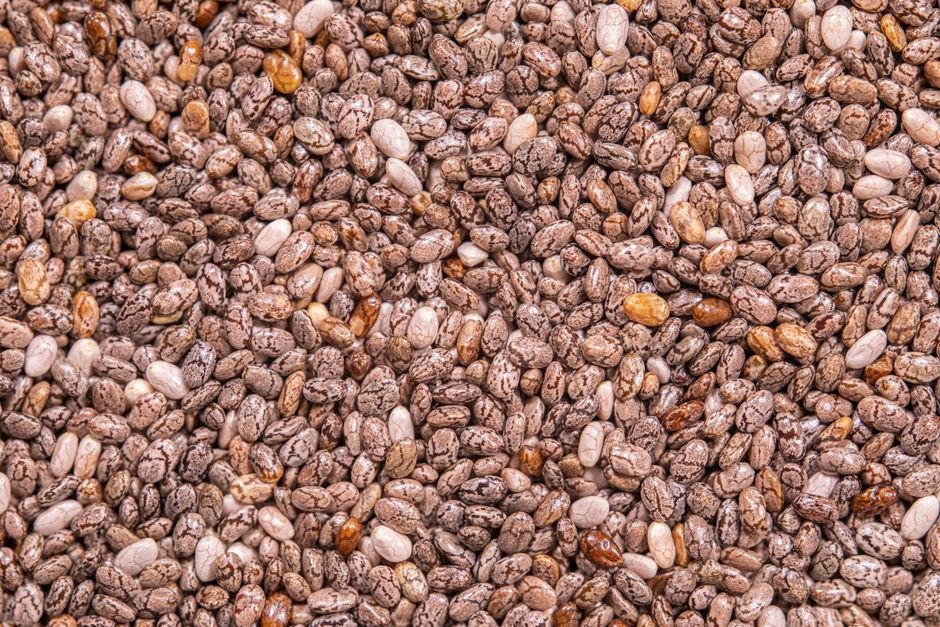
Pinto beans are a staple in many American kitchens, yet they often get a bad reputation when weight loss comes up. The truth is simpler than most diet chatter suggests, and it comes down to portions and preparation.
So, are pinto beans fattening for weight loss? No, pinto beans are not fattening for weight loss when eaten in sensible portions. A half-cup serving of cooked pinto beans contains roughly 120 calories and provides about 8 grams of protein and 7 grams of fiber. This combination helps you feel full longer, which supports weight management rather than working against it.
The confusion usually starts with how beans are prepared. Adding lard, heavy cheese, or large amounts of salt can turn a healthy food into a calorie-dense dish. This article breaks down the actual numbers, the science of bean satiety, and how to fit pinto beans into a realistic weight loss plan without giving up flavor.
Most generic advice tells you to “eat more fiber” without explaining how that works in your body. Here, you get the practical side: what a real serving looks like, how to cook them without unnecessary calories, and what the research actually says about beans and body weight.
Key Points at a Glance
| Point | What It Means | Why It Matters |
|---|---|---|
| Calorie density | Pinto beans are low in calories relative to their weight | You can eat a satisfying volume without blowing your daily budget |
| Protein content | About 8 grams per half-cup serving | Protein supports muscle maintenance during weight loss |
| Fiber content | About 7 grams per half-cup serving | Fiber slows digestion and reduces hunger between meals |
| Preparation matters | Frying or adding animal fats changes the calorie count | How you cook beans determines whether they help or hinder your goals |
| Blood sugar impact | Beans have a low glycemic index | Steadier blood sugar means fewer cravings and energy crashes |
Are Pinto Beans Fattening for Weight Loss Compared to Other Carbs?
Comparing pinto beans to white rice or pasta shows a clear difference. A half-cup of cooked white rice has about 100 calories but only 1 gram of fiber. Pinto beans give you more protein, more fiber, and a similar calorie count for the same volume. That means you stay full for hours longer with beans than with refined grains.
Research published in the Journal of the American College of Nutrition found that people who ate beans regularly had lower body weights and smaller waist measurements compared to those who did not. The study linked bean consumption to better overall diet quality, not to weight gain.
I always keep a pot of plain cooked pinto beans in my fridge. A scoop added to a salad or a bowl of vegetables turns a light meal into something that actually holds you until dinner.
How Many Calories Are in Pinto Beans and What Is a Proper Serving?
A standard serving is half a cup of cooked beans, which comes to roughly 120 calories. That is about the same as a medium apple, but with four times the protein and significantly more fiber. Most people eat more than a half-cup, so measuring once or twice helps you calibrate your eye.
One cup of cooked pinto beans contains around 240 calories, 15 grams of protein, and 15 grams of fiber. Even at double the serving size, this remains a reasonable calorie load for a meal component, especially compared to a fast-food side dish.
When you cook dried pinto beans from scratch, they absorb water and roughly triple in volume. One cup of dried beans makes about three cups cooked, which helps you plan portions for the week without much effort.
What Does the Research Say About Beans and Weight Loss?
Several studies have examined beans specifically for weight management. A 2016 analysis in the American Journal of Clinical Nutrition reviewed multiple trials and found that eating legumes, including pinto beans, led to modest weight loss even without intentional calorie restriction. The effect comes from increased fullness and reduced overall food intake at subsequent meals.
The evidence is not dramatic, and beans will not melt fat on their own. But the data consistently shows that replacing refined grains with beans improves body composition outcomes. The fiber and protein work together to regulate appetite hormones like ghrelin, which controls hunger signals.
Some research suggests that resistant starch in beans feeds beneficial gut bacteria. A healthier gut microbiome is associated with better weight regulation, though this area of science is still developing.
How to Cook Pinto Beans Without Adding Unnecessary Calories
Refried beans from a restaurant are often cooked in lard, which adds 50 to 100 calories per serving. You can make a lighter version at home by mashing cooked beans with a little olive oil, garlic, and cumin. The flavor stays rich without the heavy fat load.
Canned pinto beans are convenient and nutritionally similar to dried ones, but check the sodium content. A single serving of canned beans can contain 300 to 400 milligrams of sodium. Rinsing them under cold water for 30 seconds removes about 40 percent of that salt.
I add a bay leaf and a strip of kombu seaweed while simmering dried beans. It cuts down on the gas some people experience and adds a subtle depth that makes plain beans taste better without any extra calories.
Pair pinto beans with a source of vitamin C like tomatoes or bell peppers. Your body absorbs more iron from the beans this way, which helps maintain energy levels during a calorie deficit.
How Much Protein Do You Need to Lose Weight?
Most women aiming for weight loss need between 0.55 and 0.7 grams of protein per pound of body weight. For a 160-pound woman, that is roughly 88 to 112 grams per day. A half-cup of pinto beans contributes about 8 grams toward that target.
Beans alone may not get you to your protein goal, but they are a valuable part of the equation. Combining them with eggs, chicken, or Greek yogurt across the day makes hitting your numbers straightforward without relying on protein powders.
Your total daily calorie needs depend on your age, height, weight, and activity level. You can get a personalized number by using the TDEE Calculator on this site, which estimates how many calories you burn each day.
Related Articles
Frequently Asked Questions
Are pinto beans fattening for weight loss at night?
No, eating pinto beans at night does not cause weight gain on its own. Total daily calorie intake matters more than the time of day you eat.
Can pinto beans cause bloating and affect weight loss?
Some people experience temporary bloating when they first add beans to their diet. This usually subsides within a few weeks as your digestion adapts to the increased fiber.
How many times a week should I eat pinto beans for weight loss?
Eating pinto beans three to four times per week is a reasonable target for most people. This frequency provides consistent fiber and protein without making you tired of them.
Are canned pinto beans as healthy as dried ones?
Canned pinto beans are nutritionally similar to dried beans after cooking. The main difference is sodium content, which you can reduce by rinsing them thoroughly.
Do pinto beans spike blood sugar?
Pinto beans have a low glycemic index, meaning they raise blood sugar slowly. The fiber content slows carbohydrate absorption, which helps prevent energy crashes and cravings.
What is the best way to eat pinto beans for weight loss?
Boiled or lightly mashed pinto beans with minimal added fat work best for weight loss. Avoid versions fried in lard or mixed with heavy cheese and sour cream.
Pinto beans deserve a regular spot in a weight loss kitchen. They are affordable, filling, and backed by solid research showing they support rather than sabotage your goals. The key is keeping preparation simple and portions reasonable.
For a personalized calorie target that fits your specific body and activity level, use our TDEE Calculator to get your daily maintenance number. From there, you can plan meals that include pinto beans without guesswork.

The TDEECAL Team writes about nutrition, metabolism, and fat loss the way we built our calculator, with real numbers and no hype. We dig into the research so you don’t have to guess.