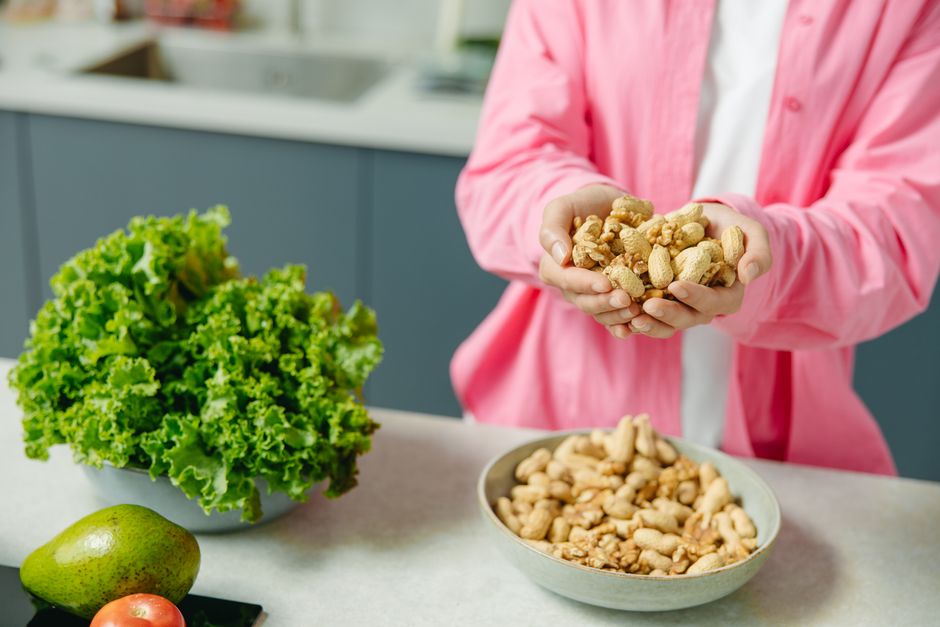
Can I Eat Peanuts at Night for Weight Loss?
That late-night peanut craving hits around 9 p.m., and you’re left wondering if a handful will derail your progress. The short answer is yes, you can eat peanuts at night for weight loss, but the serving size and how they fit into your daily calorie budget matter far more than the clock.
Yes, you can eat peanuts at night for weight loss, provided you account for their calories and stick to a sensible portion. A standard serving is about one ounce, which is roughly 28 peanuts or two tablespoons of peanut butter, and contains around 160 to 170 calories. The time of day does not change how your body processes these calories, so your total daily intake is what truly drives weight loss.
Most weight loss advice focuses on what to eat during the day, leaving nighttime eaters confused and often guilty. This article breaks down the actual science behind late-night snacking, the specific nutritional profile of peanuts, and how to enjoy them without undoing your hard work. You’ll get practical portion guidance and honest answers to common questions that generic diet advice usually ignores.
Key Points at a Glance
| Point | What It Means | Why It Matters |
|---|---|---|
| Calorie awareness | Peanuts are calorie-dense at roughly 160-170 calories per ounce | Portion control prevents accidental overeating |
| Protein and fiber | One serving provides about 7 grams of protein and 2.5 grams of fiber | Helps you feel full and satisfied through the night |
| Timing myth | Eating after 8 p.m. does not automatically cause weight gain | Total daily calories matter more than when you eat them |
| Mindful eating | Pre-portioning prevents eating straight from the jar or bag | Reduces the risk of consuming several servings at once |
Does Eating Late at Night Actually Cause Weight Gain?
Research consistently shows that weight loss comes down to maintaining a calorie deficit over time, not the specific hour you eat. Your body does not have a magical switch that turns fat storage on after sunset. What often happens, though, is that nighttime snacking leads to eating more total calories than you planned, especially if you’re eating while watching TV or scrolling your phone.
Some research suggests that eating large meals late at night may affect sleep quality and digestion, which can indirectly influence hunger hormones the next day. But a small, planned snack like a serving of peanuts is unlikely to cause problems for most people. I keep a small bowl on my nightstand with exactly one serving measured out, so I never have to think about portion size when the craving hits.
Practical tip: Measure your peanuts into small snack bags or containers right after you buy them. When late-night hunger strikes, grab a bag and stop there. This simple habit removes all guesswork.
What Makes Peanuts a Smart Late-Night Snack?
Peanuts offer a combination of protein, healthy fats, and fiber that helps stabilize blood sugar and keep you satisfied until morning. The protein and fat slow down digestion, which means you’re less likely to wake up hungry at 2 a.m. looking for something else to eat. This satiety effect is one reason peanuts can fit into a weight loss plan without leaving you deprived.
One concern some people have is the fat content, but the fats in peanuts are mostly monounsaturated and polyunsaturated fats, which are the same heart-healthy types found in olive oil. Some studies suggest that regular nut consumption is associated with better weight management over time, not weight gain, when eaten in appropriate portions. The key is remembering that “a handful” means one ounce, not half a can.
I always choose dry-roasted unsalted peanuts for my evening snack. The salt on regular roasted peanuts makes me want to keep eating, while the unsalted version lets me stop at one serving without that salty pull for more.
How Many Peanuts Can I Eat at Night Without Gaining Weight?
For most women aiming for weight loss, one serving of peanuts at night is a reasonable addition to a well-planned daily calorie budget. That serving is one ounce, which equals about 28 peanuts, 14 peanut halves, or two level tablespoons of peanut butter. This portion delivers roughly 160 to 170 calories, depending on whether they’re raw, dry-roasted, or oil-roasted.
Your specific calorie target depends on your age, height, weight, and activity level, so there is no universal number that works for everyone. You can use a TDEE calculator to find your maintenance calories and then subtract 300 to 500 calories for weight loss. If a nightly peanut snack fits into that remaining budget, you can eat peanuts at night without sabotaging your progress.
Practical tip: Pair your peanuts with a small piece of fruit like an apple or a few berries. The extra fiber and water volume help fill you up for very few additional calories, making the snack more satisfying overall.
Are There Better Ways to Eat Peanuts at Night?
How you eat your peanuts matters almost as much as how many you eat. Plain dry-roasted peanuts are the most straightforward choice because they have no added sugar or extra oils. Flavored varieties, especially honey-roasted or chocolate-covered peanuts, add significant sugar and calories that can quickly turn a sensible snack into a dessert.
Peanut butter is another option, but read the label carefully. Natural peanut butter with just peanuts and maybe salt is your best bet, while many commercial brands add sugar and hydrogenated oils. Two tablespoons of natural peanut butter on a celery stick or a slice of whole-grain toast makes a filling evening snack that many people find more satisfying than plain peanuts.
I’ve found that eating peanuts slowly, one at a time, makes a small serving feel much more substantial. When I rush through them, I finish and want more, but when I pace myself, that single serving genuinely feels like enough.
Frequently Asked Questions
Related Articles
Can I eat peanuts at night for weight loss without gaining weight?
Yes, you can eat peanuts at night for weight loss if you stick to one ounce and stay within your daily calorie target. The time of day does not cause weight gain, but eating multiple servings can.
Will eating peanuts before bed disrupt my sleep?
For most people, a small serving of peanuts does not disrupt sleep, and the protein may even prevent middle-of-the-night hunger. If you have acid reflux, eating any food close to bedtime might worsen symptoms, so allow an hour or two before lying down.
What is the best portion of peanuts for a nighttime snack?
One ounce, or about 28 peanuts, is the standard single serving and contains roughly 160 to 170 calories. Two tablespoons of peanut butter is the equivalent portion if you prefer that form.
Are roasted or raw peanuts better for weight loss?
Both roasted and raw peanuts have similar calorie counts, so the difference is minimal for weight loss. Choose dry-roasted over oil-roasted to avoid extra added fats, and skip honey-roasted or flavored varieties that contain added sugar.
Can peanut butter help me lose weight at night?
Peanut butter can fit into a weight loss plan when you measure two tablespoons and choose a natural brand without added sugar. The protein and fat help keep you full, but it is calorie-dense, so portion control is essential.
How many calories should I leave for a late-night snack?
Most weight loss plans allow for a snack of 150 to 200 calories without disrupting your daily deficit. Use a TDEE calculator to determine your total daily calorie target, then reserve a portion for your evening snack.
If you’re tracking your daily calories and want to know exactly how a nightly peanut snack fits into your plan, try our TDEE calculator to get a personalized maintenance calorie estimate. From there, you can subtract your target deficit and see where the peanuts fit comfortably.

The TDEECAL Team writes about nutrition, metabolism, and fat loss the way we built our calculator, with real numbers and no hype. We dig into the research so you don’t have to guess.