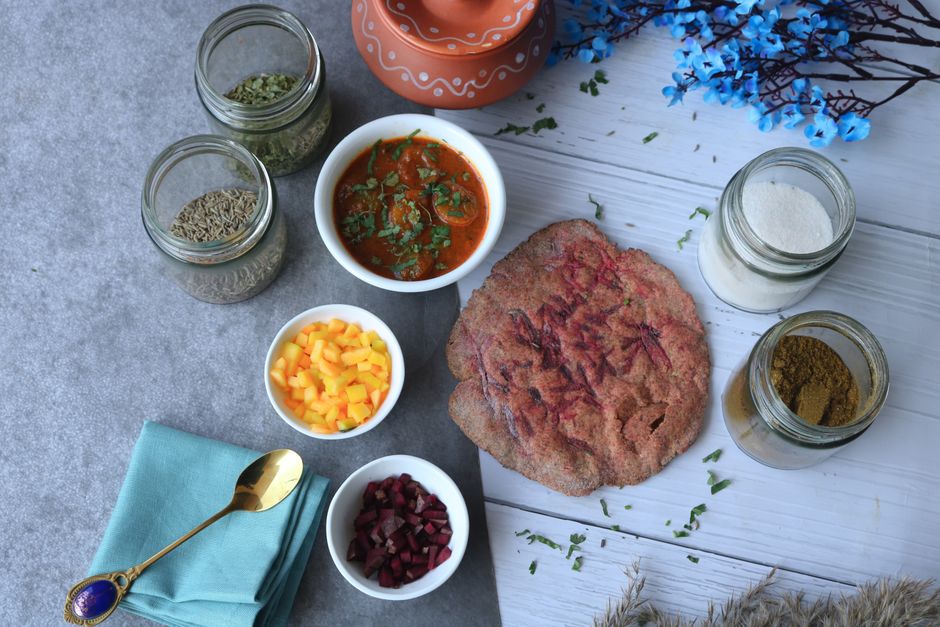
Corn season brings a familiar question to Indian kitchens, especially for women watching their weight. Makki ki roti is a winter staple, but many wonder if this dense flatbread helps or hurts their weight loss efforts.
Yes, makki ki roti is good for weight loss when eaten in proper portions. This corn flour flatbread provides fiber, complex carbohydrates, and steady energy that keeps you full longer than refined wheat roti. A single medium makki ki roti contains roughly 120 to 150 calories depending on size and ghee used, making it a reasonable addition to a balanced meal plan.
Most weight loss advice treats all Indian breads the same, which is a mistake. Makki ki roti behaves differently in your body than naan or white bread. It has a lower glycemic impact than refined flour options, and its coarse texture means you chew more and eat slower.
This article breaks down the real evidence on makki ki roti for weight loss. You will learn how it compares to wheat roti, what portion works, and the common mistakes that turn this healthy bread into a calorie trap.
Key Points at a Glance
| Point | What It Means | Why It Matters |
|---|---|---|
| Calorie content | One medium roti has 120 to 150 calories | Fits easily into a 1,400 to 1,600 calorie day |
| Fiber profile | Cornmeal retains more fiber than refined flour | Helps you feel full and supports digestion |
| Glycemic response | Coarser grind slows sugar absorption | Avoids the blood sugar spike of white bread |
| Fat trap | Ghee or butter doubles the calorie count | Watch toppings more than the roti itself |
| Pairing matters | Best with vegetables or dal, not alone | Protein and fiber together control hunger |
Is Makki Ki Roti Good for Weight Loss Compared to Wheat Roti?
Makki ki roti and whole wheat roti both have a place in weight loss, but they work differently. Whole wheat roti offers more protein, around 3 grams per piece, while makki ki roti provides roughly 2 grams. The corn version wins on fiber density, giving you more bulk for similar calories.
What sets makki ki roti apart is how it feels in your stomach. The coarse cornmeal takes longer to digest, which delays hunger signals. I notice clients who swap wheat for makki at dinner report fewer late-night cravings, though this is anecdotal and individual results vary.
How Many Calories Are in Makki Ki Roti?
A standard homemade makki ki roti made from 30 to 35 grams of corn flour contains roughly 120 to 150 calories. This number changes with size, thickness, and cooking fat. Restaurant versions often run larger and greasier, pushing toward 200 calories per piece.
For weight loss, two medium rotis with sabzi and a side of dal creates a satisfying meal around 400 to 500 calories. That fits comfortably within most weight loss targets for women, which typically range from 1,400 to 1,600 calories daily. Use a TDEE calculator to find your personal maintenance calories before planning portions.
What Makes Makki Ki Roti Good for Blood Sugar Control?
Cornmeal has a moderate glycemic index, meaning it raises blood sugar slower than refined wheat flour. The coarse grind and higher fiber content slow down carbohydrate digestion. This steadier glucose response helps prevent the energy crash that triggers snacking.
Some research suggests that replacing refined grains with whole grains like corn improves insulin sensitivity over time. The evidence is promising but not dramatic. Makki ki roti is not a cure for blood sugar issues, but it is a smarter choice than white bread or maida-based rotis.
Common Mistakes That Make Makki Ki Roti Fattening
Most people do not gain weight from the roti itself. They gain from what accompanies it. Heavy ghee, butter, or oil used during cooking adds 50 to 100 extra calories per roti. Pairing it with aloo sabzi or paneer in large portions also pushes calories up quickly.
Another mistake is eating makki ki roti alone as a snack. Without protein or vegetables, the meal lacks staying power. Add a bowl of dal, a handful of salad, or a side of curd to balance the plate.
How to Eat Makki Ki Roti for Weight Loss
Portion control is the single biggest factor. Stick to one or two rotis per meal, not three or four. Measure your corn flour occasionally to understand what a true portion looks like, since hand-sized estimates run large.
Pair makki ki roti with fibrous vegetables like methi, palak, or seasonal greens. These add volume without many calories. Include a protein source such as dal, curd, or paneer to extend fullness for hours.
Timing also matters. Many women find eating makki ki roti at lunch works better than dinner, since the body has more time to burn the carbohydrates. If you eat it at night, keep the portion smaller and skip the ghee entirely.
Who Should Be Cautious With Makki Ki Roti?
People with diabetes should monitor their blood sugar response to makki ki roti. While it is better than refined flour, it is still a carbohydrate-dense food. Testing your glucose two hours after eating gives you personal data on how your body responds.
Anyone with gluten sensitivity can enjoy makki ki roti since corn is naturally gluten-free. However, cross-contamination in shared kitchens or restaurants can be a concern. Those with irritable bowel syndrome may find the high fiber content causes bloating initially, so start with one roti and increase gradually.
Related Articles
Frequently Asked Questions
Is makki ki roti good for weight loss every day?
Yes, daily consumption works if portions stay controlled and toppings stay light. Rotating with other whole grains like jowar or whole wheat prevents monotony.
Can I eat makki ki roti at night for weight loss?
You can, but keep it to one small roti with vegetables and no ghee. Late-night carbohydrate-heavy meals can disrupt sleep and next-day hunger for some women.
How many makki ki rotis should I eat in one meal?
Two medium rotis with protein and vegetables is a reasonable serving for most women. Adjust to one if you are on a lower calorie budget or very sedentary.
Is makki ki roti better than wheat roti for belly fat?
Neither bread specifically targets belly fat, but makki ki roti may help through better satiety and steadier blood sugar. Total calorie intake still determines fat loss.
Does makki ki roti cause weight gain?
Only when eaten in large portions or with heavy fats like ghee and butter. A single roti with vegetables supports weight loss, not weight gain.
Can diabetics eat makki ki roti?
Yes, but in controlled portions and paired with protein and fiber. Monitoring blood sugar response is essential since individual reactions vary.
Makki ki roti deserves a place in a weight loss kitchen when handled with care. It offers fiber, steady energy, and cultural comfort that many restrictive diets remove. The key is portion discipline and smart pairings, not elimination.
Start by swapping one wheat roti for makki at your next meal. See how your hunger and energy respond over a week. Small changes, tested consistently, build the habits that last.
For a personalized calorie target that fits your body and activity level, use the TDEE Calculator on this site.

The TDEECAL Team writes about nutrition, metabolism, and fat loss the way we built our calculator, with real numbers and no hype. We dig into the research so you don’t have to guess.