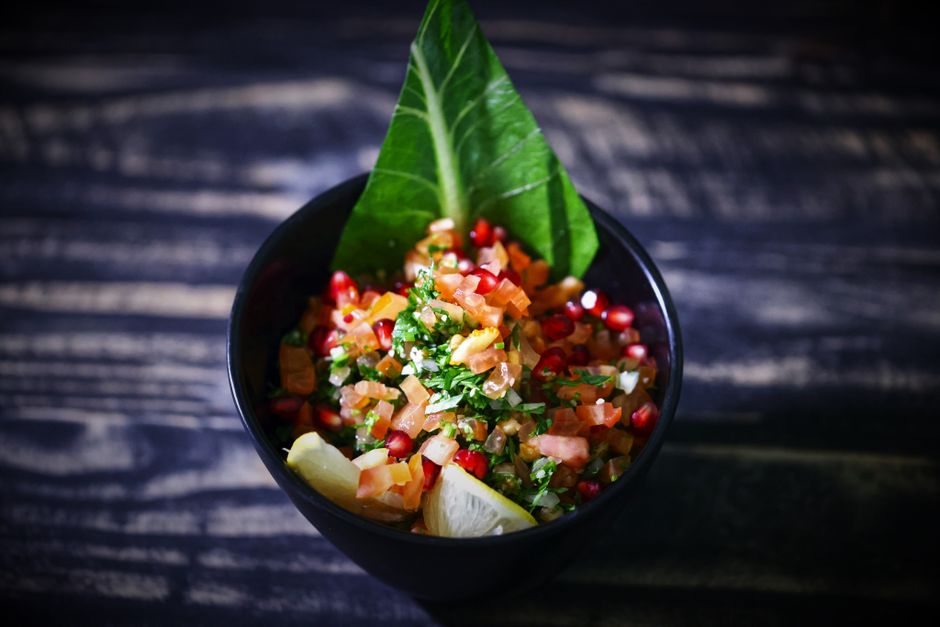
Pico de gallo is one of the few toppings that actually works in your favor when you are trying to lose weight. A half-cup serving of this fresh salsa typically contains around 25 to 40 calories, depending on how much avocado or oil is added.
Yes, pico de gallo is healthy for weight loss. It is a low-calorie, vegetable-based condiment that adds volume and flavor to meals without adding significant fat, sugar, or refined carbohydrates. The core ingredients—tomatoes, onions, cilantro, and lime juice—are nutrient-dense and naturally low in energy density, which supports a calorie deficit.
Most people fail at weight loss because they feel deprived. Pico de gallo solves that problem by making plain chicken, fish, or eggs taste like a restaurant meal for almost zero calories. It is one of the few salsas that does not hide added sugars or thickeners, which are common in jarred versions.
This article covers the actual calorie breakdown, the nutritional benefits, and the common mistakes that turn a healthy topping into a diet problem. You will also learn how to choose the best version at the store and how to make it work for your specific weight loss plan.
Key Points at a Glance
| Point | What It Means | Why It Matters |
|---|---|---|
| Calorie content | Roughly 5 to 10 calories per tablespoon | You can eat a generous portion without breaking your daily budget |
| Fiber | About 1 gram of fiber per half-cup | Helps with fullness and slows digestion |
| Hidden additives | Fresh versions have no added sugar or oil | Jarred salsas often add sugar, which undermines weight loss |
| Portion flexibility | Low energy density means large volume for few calories | Supports satiety without excess calories |
| Sodium | Varies by recipe, but fresh versions are lower than jarred | Helps control water retention and blood pressure |
What Is Actually in Pico de Gallo?
Traditional pico de gallo contains four main ingredients: diced tomatoes, white onion, fresh cilantro, and lime juice. Some versions add jalapeño, garlic, or a pinch of salt. That is the entire list.
Unlike cooked salsas, pico de gallo is not blended or heated. The vegetables retain their structure, which means more chewing and slower eating. This texture difference matters for weight loss because it takes your brain longer to register fullness. I always tell clients to choose chunky salsas over smooth ones for this reason alone.
Is Pico de Gallo Healthy Compared to Other Salsas?
Most jarred salsas contain added sugar, corn syrup, or excessive sodium to extend shelf life and improve taste. A typical commercial salsa has 3 to 5 grams of sugar per serving, while fresh pico de gallo has less than 1 gram naturally occurring from the tomatoes.
The difference becomes obvious when you compare labels side by side. Look for a jarred version with no added sugar and you will still find higher sodium levels, often 300 to 400 milligrams per serving. Fresh pico de gallo made at home can be seasoned with minimal salt, bringing sodium down to under 100 milligrams per serving.
How Pico de Gallo Supports a Calorie Deficit
Weight loss requires eating fewer calories than you burn. Pico de gallo helps because it replaces high-calorie condiments like sour cream, cheese sauce, or creamy dressings. One tablespoon of sour cream has about 25 calories, while a tablespoon of pico de gallo has around 5.
Over a week of daily use, swapping those condiments saves 500 to 700 calories. That is enough to create a meaningful calorie deficit without changing anything else about your diet. The fiber in the tomatoes and onions also adds bulk, which helps you feel satisfied with smaller portions of higher-calorie foods.
Some studies suggest that eating low-energy-density foods like vegetables before or with meals reduces overall calorie intake. This is not a magic effect—it simply means you fill up on volume before you overeat calorie-dense items. Pico de gallo is one of the easiest ways to apply this principle because it does not require cooking or meal prep.
Can Pico de Gallo Ever Hurt Your Weight Loss?
Yes, but only when it stops being pico de gallo. Restaurant versions often add oil, avocado, or extra salt to enhance flavor. A half-cup of restaurant pico de gallo with added oil can contain 100 to 150 calories, which is still reasonable but not negligible.
The bigger problem is what you eat with it. Pico de gallo is usually served with tortilla chips, which add 140 to 150 calories per ounce. A typical basket of chips with pico de gallo easily reaches 600 to 800 calories before your main meal arrives. The pico de gallo is not the issue—the vehicle is.
Another hidden issue is sodium. If you eat large amounts of salty pico de gallo, you may retain water, which shows up as a temporary gain on the scale. This is not fat gain, but it can be discouraging. Stick to fresh versions and control your salt addition at home.
How to Use Pico de Gallo for Weight Loss
The most effective way to use pico de gallo is as a topping for lean proteins. Add it to grilled chicken breast, white fish, eggs, or black beans. The acidity from the lime juice cuts through rich flavors, so you need less cheese or sauce to enjoy your meal.
You can also use it as a salad dressing replacement. A cup of pico de gallo mixed with a tablespoon of olive oil makes a fresh, low-calorie vinaigrette that works on any salad. This saves you 100 to 200 calories compared to bottled dressings.
One habit that works well: keep a container of pico de gallo in the fridge at all times. When you feel hungry between meals, eat a few tablespoons with cucumber slices or celery instead of reaching for crackers or chips. The crunch and acidity satisfy snack cravings without derailing your progress.
Nutritional Breakdown of Pico de Gallo
According to USDA data, a half-cup serving of pico de gallo contains approximately 25 calories, 1 gram of protein, 5 grams of carbohydrates, 1 gram of fiber, and less than 1 gram of fat. The primary micronutrients are vitamin C from tomatoes and onions, plus small amounts of potassium and folate.
The exact numbers vary depending on the tomato variety and the ratio of ingredients. Tomatoes are the base, so their water content drives the low calorie count. Onions add a small amount of carbohydrates and fiber, while lime juice contributes vitamin C without any meaningful calories.
If you add avocado, the calorie count increases significantly. A quarter of a medium avocado adds about 60 calories and 5 grams of fat. This is not necessarily bad—healthy fats support satiety—but you need to count it if you are tracking your intake.
Frequently Asked Questions
Related Articles
Is pico de gallo healthy for weight loss every day?
Yes, you can eat pico de gallo daily as long as your total calorie intake remains in a deficit. It is low in calories and high in volume, making it a safe addition to any weight loss plan.
Does pico de gallo have added sugar?
Traditional pico de gallo has no added sugar, only the natural sugars found in tomatoes and onions. Jarred versions often add sugar, so always check the label before buying.
How many calories are in a serving of pico de gallo?
A half-cup serving contains roughly 25 to 40 calories depending on the ingredients. Versions with avocado or added oil will be higher, closer to 100 calories per half-cup.
Can I eat pico de gallo on a low-carb diet?
Yes, pico de gallo fits into a low-carb diet. A half-cup serving has about 5 grams of carbohydrates, which is low enough for most low-carb meal plans.
Is store-bought pico de gallo as healthy as homemade?
Store-bought versions can be healthy if they contain only vegetables, lime juice, and minimal salt. Many brands add sugar or preservatives, so read the ingredient list carefully before choosing.
If you are tracking your calories to lose weight, use our TDEE Calculator to find your maintenance level. That number tells you exactly how many calories you need to eat to lose weight at a safe, sustainable pace. Pico de gallo makes it easier to stay within that number without feeling like you are on a diet.

The TDEECAL Team writes about nutrition, metabolism, and fat loss the way we built our calculator, with real numbers and no hype. We dig into the research so you don’t have to guess.