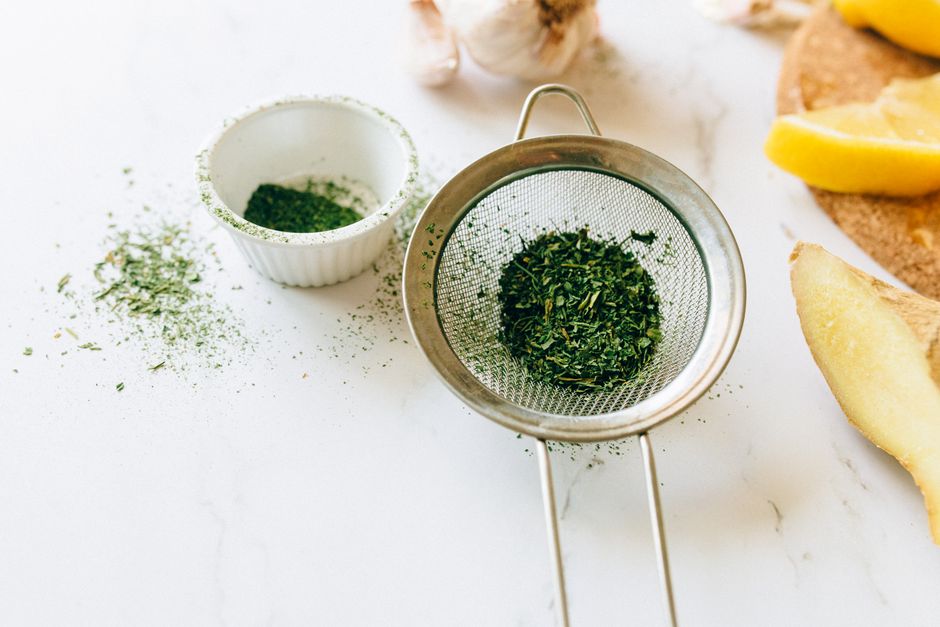
Most people assume any tea labeled “detox” or “slimming” will help them lose weight. The truth is more complicated, and it matters for your results.
Yes, is green tea with ginger a helpful addition to a weight loss plan? The answer is yes, but only as a small piece of the puzzle. Green tea contains caffeine and catechins that may slightly boost metabolism, while ginger may help with digestion and appetite control. Neither ingredient burns fat on its own, and no tea will offset a poor diet.
Weight loss still comes down to eating fewer calories than your body burns. But green tea with ginger can support that effort in specific, measurable ways. This article explains what the research actually says, how to drink it for the most benefit, and where it fits into your overall calorie plan.
Most online advice treats this drink like a magic potion. It isn’t. But it does have real, evidence-backed effects worth understanding before you decide whether to add it to your routine.
Key Points at a Glance
| Point | What It Means | Why It Matters |
|---|---|---|
| Green tea catechins | May slightly increase calorie burning | Small effect, but real over time |
| Caffeine content | Provides a mild energy boost | Can help you stay active and burn more |
| Ginger and digestion | May reduce bloating and nausea | Helps you feel better, not lighter |
| Appetite effects | Some evidence suggests reduced hunger | May help you eat fewer calories naturally |
| Calorie-free base | Replaces sugary drinks | Easier calorie deficit without feeling deprived |
What Does the Research Say About Green Tea and Weight Loss?
Studies on green tea and weight loss go back decades. The active compounds are catechins, especially EGCG, and caffeine. Together, they appear to slightly increase energy expenditure and fat oxidation, meaning your body burns a few more calories throughout the day.
The effect is modest. Research published in the American Journal of Clinical Nutrition found that green tea catechins with caffeine increased energy expenditure by about 70 to 100 calories per day in some participants. That is not enough to cause weight loss on its own, but it can tip the scale over several months when combined with a calorie deficit.
I always tell people to think of it as a small bonus, not the main event. The math still works the same way: you need to burn more than you eat.
How Does Ginger Fit Into the Picture?
Ginger has a different role. It is not a metabolism booster in the same way green tea is. Instead, ginger appears to support digestion and may help with appetite regulation.
Some studies suggest ginger can slow gastric emptying, which means food stays in your stomach a little longer. That can translate to feeling full after a meal and snacking less between meals. One small study found that participants who consumed ginger with a meal reported greater fullness and less hunger afterward.
The evidence here is still limited. Some studies show benefits, others show no effect. But ginger is safe, calorie-free, and adds flavor, so there is little downside to including it.
Is Green Tea with Ginger Good for Weight Loss Compared to Other Drinks?
This is where the drink earns its place in your routine. Swapping a sugary soda or juice for green tea with ginger cuts hundreds of calories per day without you feeling like you are missing out.
A 12-ounce can of regular soda has about 140 calories. A sweetened latte can easily reach 200 to 300 calories. Green tea with ginger, when unsweetened, has essentially zero calories. Over a week, replacing just one sugary drink per day with this tea could reduce your intake by roughly 1,000 calories.
That alone is enough to produce about a quarter-pound of weight loss per week, assuming nothing else changes. It is not dramatic, but it is real and sustainable.
I brew mine with a slice of fresh ginger and skip the sweetener. If you need sweetness, a tiny splash of lemon juice adds flavor without calories. Avoid honey or sugar if weight loss is your goal.
How Much Should You Drink and When?
There is no official recommendation for green tea with ginger. Most studies use 2 to 3 cups per day, and that seems like a reasonable target. Drinking it in the morning or early afternoon works best because of the caffeine.
Drinking it too late in the day may interfere with sleep, and poor sleep makes weight loss harder. If you are sensitive to caffeine, consider a decaffeinated green tea with fresh ginger added.
One caution: green tea contains some vitamin K, which can interact with blood thinners like warfarin. If you take any medication, check with your doctor before making this a daily habit.
Use a TDEE calculator to find your maintenance calories. Then subtract 300 to 500 calories for weight loss. Green tea with ginger can help you stick to that target by replacing higher-calorie drinks.
Frequently Asked Questions
Related Articles
Can green tea with ginger burn belly fat specifically?
No beverage can target fat in one specific area of the body. Weight loss happens evenly across your body, and where you lose fat first is largely determined by genetics.
How many calories are in green tea with ginger?
Plain green tea with fresh ginger contains essentially zero calories. Adding honey, sugar, or milk changes that quickly, so keep it plain if weight loss is your goal.
Is it better to drink green tea with ginger hot or cold?
Temperature does not change the active compounds in any meaningful way. Choose whichever form you will actually drink consistently.
Can I drink green tea with ginger on an empty stomach?
Most people handle it fine, but ginger can cause mild stomach irritation in some individuals. If you feel any discomfort, try drinking it with or after a meal instead.
How long does it take to see weight loss results from green tea with ginger?
Any effect is gradual and depends on your overall calorie intake. Most people notice changes over weeks or months, not days, and only when combined with a real calorie deficit.
Is green tea with ginger safe to drink every day?
For most healthy adults, 2 to 3 cups per day is safe. If you take blood thinners or have a medical condition, talk to your doctor first.

The TDEECAL Team writes about nutrition, metabolism, and fat loss the way we built our calculator, with real numbers and no hype. We dig into the research so you don’t have to guess.